
What You Need to Know About 10th AU-UN Conference

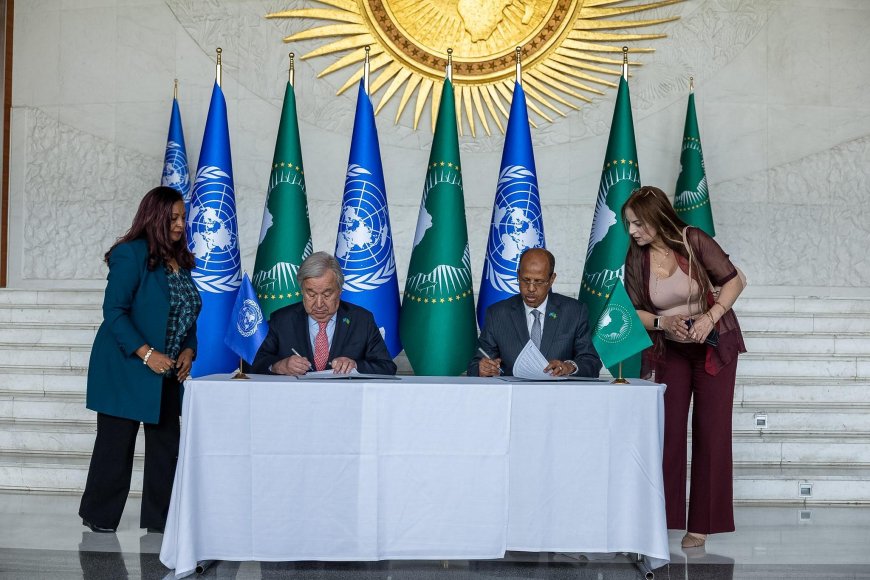
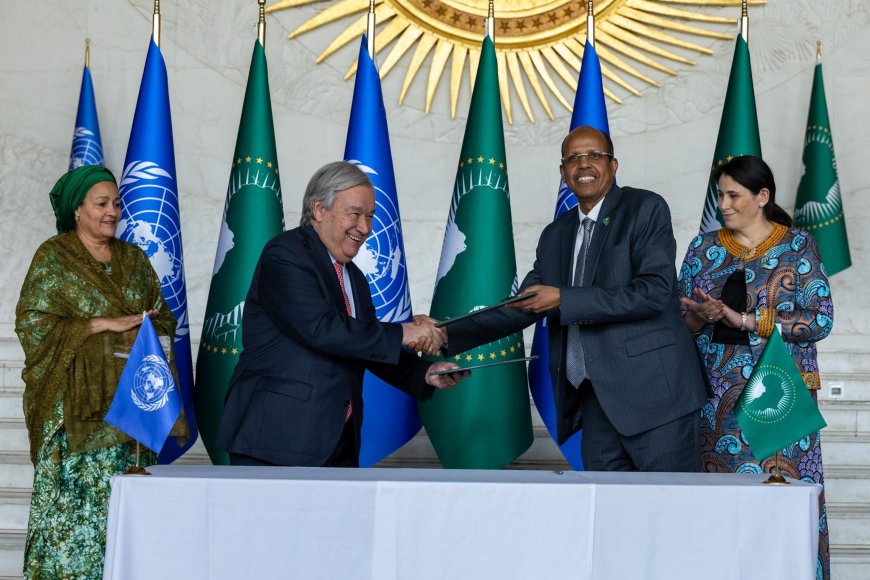
United Nations Secretary-General António Guterres (left) and African Union Commission Chairperson Mahmoud Ali Youssouf (right) sign a joint declaration reinforcing the strategic AU-UN partnership during the Tenth Annual Conference at the African Union Headquarters on May 13, 2026. Photo: African Union Commission

What You Need to Know About 10th AU-UN Conference

May 13, 2026 - 19:17
 0

In a high-stakes gathering at the heart of the continent, the African Union (AU) and the United Nations (UN) have agreed on a refreshed roadmap to tackle Africa's most pressing security and economic hurdles.


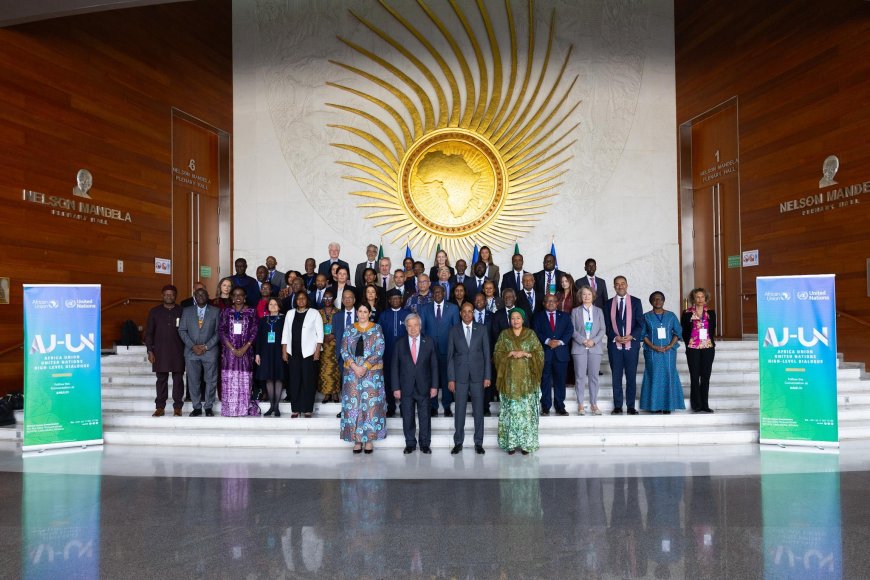
African Union Commission Chairperson Mahmoud Ali Youssouf and UN Secretary-General António Guterres convened the Tenth AU–UN Annual Conference at the AU Headquarters in Addis Ababa on Wednesday, May 13.

The two leaders emerged with a unified front, declaring their partnership a "cornerstone" for peace, human rights, and the acceleration of the AU’s Agenda 2063.
They expressed deep concern over the multiplication of the prevailing global and continental challenges, including armed conflicts, humanitarian crises, poverty and inequalities, climate change, and disregard for international law and shared principles.

Youssouf and Guterres signed a new Declaration to tighten the gears of cooperation across three key pillars: peace, development, and human rights.

According to the joint communiqué issued by African Union on May 13th, here are six major takeaways from the Tenth AU-UN Annual Conference:

1. A Line on Regional Conflicts: From Sudan to the DRC

The leaders spent a significant portion of the summit addressing the "suffering caused by violent conflict" across the Great Lakes, the Horn of Africa, and the Sahel. They were blunt about the necessity of political over military solutions.

  • Sudan: The leaders called on warring parties to put the "supreme interests of the Sudanese people at the forefront."

They pledged to use the "Quintet"- a diplomatic group or coalition made up of five countries or key actors working together to mediate and find a peaceful solution to the conflict.

  • DRC: There is an urgent push for a ceasefire in eastern DR Congo.

They agreed to strengthen coordinated support to the ongoing mediation processes, namely the African-led mediation process under the leadership of H.E. President Faure Gnassingbé, the AU Mediator, as well as the Doha and Washington processes.

  • The Sahel: Following the deadly attacks in Mali on April 25, both leaders expressed "firm condemnation" of terrorism and committed to a comprehensive approach to counter violent extremism.

2. Rewriting the Global Financial Rules

A major point was the current state of global economics. The AU and UN are now openly calling for an "accelerated reform of the international financial architecture."

According to the joint communiqué issued by African Union, the goal is to better reflect the "priorities and realities of developing countries."

The leaders argued that Africa cannot meet its goals while buried under "unsustainable debt" and "illicit financial flows." The roadmap specifically aims to help African countries achieve middle-income status by 2033.

3. "Water is a Strategic Asset, Not Just a Service"

With the 2026 AU Theme of the Year focusing on sustainable water and sanitation, the conference elevated water from a basic necessity to a matter of national security.

To meet international standards for water security, both organizations pledged to mobilize "predictable financing" for climate-resilient infrastructure while shifting global policy to treat water as a "strategic resource" ahead of the UN Water Conference in December 2026.

The leaders also set a strict deadline to achieve universal coverage of early warning systems for water and climate risks for all African populations by 2027.

4. Landmark Recognition of Historical Injustices

In a move described as "historic," the leaders welcomed the UN General Assembly’s recent declaration regarding the "Trafficking of Enslaved Africans and Racialised Chattel Enslavement."

The communiqué noted the adoption of this declaration on March 25, 2026, officially recognizing these acts as the "gravest crime against humanity."

The leaders emphasized that this is a critical step in addressing the "injustices of the past and the suffering of Africans."

5. New Protections for Women and Migrants

Human rights were not sidelined.

The leaders reaffirmed the centrality of the "Joint Framework on Human Rights" and specifically praised the adoption of the AU Convention on Ending Violence against Women and Girls.

On the issue of migration, they committed to "humane management" and "regular pathways." This includes a specific focus on protecting "stranded and vulnerable migrants" and a coordinated response to "climate-induced displacement"—a growing crisis as weather patterns shift across the continent.

6. A Farewell Tribute to António Guterres

As Secretary-General Guterres prepares to step down, Chairperson Youssouf paid a personal tribute to his "principled leadership."

Youssouf commended Guterres for his "unwavering commitment" to issues like climate justice and the reform of global governance.

According to the AU, the Chairperson of the Commission further commended Guterres steadfast dedication to multilateralism and to the strengthening of the strategic partnership between the African Union and the United Nations, grounded in shared values and common objectives.

What’s Next?

The leaders aren't waiting long to follow up. They have already agreed to move the venue for the next summit. The Eleventh AU–UN Annual Conference is scheduled to take place in New York in 2027.
What You Need to Know About 10th AU-UN Conference

May 13, 2026 - 19:17
May 13, 2026 - 19:44
 0
What You Need to Know About 10th AU-UN Conference
United Nations Secretary-General António Guterres (left) and African Union Commission Chairperson Mahmoud Ali Youssouf (right) sign a joint declaration reinforcing the strategic AU-UN partnership during the Tenth Annual Conference at the African Union Headquarters on May 13, 2026. Photo: African Union Commission

In a high-stakes gathering at the heart of the continent, the African Union (AU) and the United Nations (UN) have agreed on a refreshed roadmap to tackle Africa's most pressing security and economic hurdles.


African Union Commission Chairperson Mahmoud Ali Youssouf and UN Secretary-General António Guterres convened the Tenth AU–UN Annual Conference at the AU Headquarters in Addis Ababa on Wednesday, May 13.

The two leaders emerged with a unified front, declaring their partnership a "cornerstone" for peace, human rights, and the acceleration of the AU’s Agenda 2063.

They expressed deep concern over the multiplication of the prevailing global and continental challenges, including armed conflicts, humanitarian crises, poverty and inequalities, climate change, and disregard for international law and shared principles.

Youssouf and Guterres signed a new Declaration to tighten the gears of cooperation across three key pillars: peace, development, and human rights.

According to the joint communiqué issued by African Union on May 13th, here are six major takeaways from the Tenth AU-UN Annual Conference:

1. A Line on Regional Conflicts: From Sudan to the DRC

The leaders spent a significant portion of the summit addressing the "suffering caused by violent conflict" across the Great Lakes, the Horn of Africa, and the Sahel. They were blunt about the necessity of political over military solutions.

  • Sudan: The leaders called on warring parties to put the "supreme interests of the Sudanese people at the forefront."

They pledged to use the "Quintet"- a diplomatic group or coalition made up of five countries or key actors working together to mediate and find a peaceful solution to the conflict.

  • DRC: There is an urgent push for a ceasefire in eastern DR Congo.

They agreed to strengthen coordinated support to the ongoing mediation processes, namely the African-led mediation process under the leadership of H.E. President Faure Gnassingbé, the AU Mediator, as well as the Doha and Washington processes.

  • The Sahel: Following the deadly attacks in Mali on April 25, both leaders expressed "firm condemnation" of terrorism and committed to a comprehensive approach to counter violent extremism.

2. Rewriting the Global Financial Rules

A major point was the current state of global economics. The AU and UN are now openly calling for an "accelerated reform of the international financial architecture."

According to the joint communiqué issued by African Union, the goal is to better reflect the "priorities and realities of developing countries."

The leaders argued that Africa cannot meet its goals while buried under "unsustainable debt" and "illicit financial flows." The roadmap specifically aims to help African countries achieve middle-income status by 2033.

3. "Water is a Strategic Asset, Not Just a Service"

With the 2026 AU Theme of the Year focusing on sustainable water and sanitation, the conference elevated water from a basic necessity to a matter of national security.

To meet international standards for water security, both organizations pledged to mobilize "predictable financing" for climate-resilient infrastructure while shifting global policy to treat water as a "strategic resource" ahead of the UN Water Conference in December 2026.

The leaders also set a strict deadline to achieve universal coverage of early warning systems for water and climate risks for all African populations by 2027.

4. Landmark Recognition of Historical Injustices

In a move described as "historic," the leaders welcomed the UN General Assembly’s recent declaration regarding the "Trafficking of Enslaved Africans and Racialised Chattel Enslavement."

The communiqué noted the adoption of this declaration on March 25, 2026, officially recognizing these acts as the "gravest crime against humanity."

The leaders emphasized that this is a critical step in addressing the "injustices of the past and the suffering of Africans."

5. New Protections for Women and Migrants

Human rights were not sidelined.

The leaders reaffirmed the centrality of the "Joint Framework on Human Rights" and specifically praised the adoption of the AU Convention on Ending Violence against Women and Girls.

On the issue of migration, they committed to "humane management" and "regular pathways." This includes a specific focus on protecting "stranded and vulnerable migrants" and a coordinated response to "climate-induced displacement"—a growing crisis as weather patterns shift across the continent.

6. A Farewell Tribute to António Guterres

As Secretary-General Guterres prepares to step down, Chairperson Youssouf paid a personal tribute to his "principled leadership."

Youssouf commended Guterres for his "unwavering commitment" to issues like climate justice and the reform of global governance.

According to the AU, the Chairperson of the Commission further commended Guterres steadfast dedication to multilateralism and to the strengthening of the strategic partnership between the African Union and the United Nations, grounded in shared values and common objectives.

What’s Next?

The leaders aren't waiting long to follow up. They have already agreed to move the venue for the next summit. The Eleventh AU–UN Annual Conference is scheduled to take place in New York in 2027.