
Aegis Trust Reflects on a Decade of Peace Education Impact in Rwanda

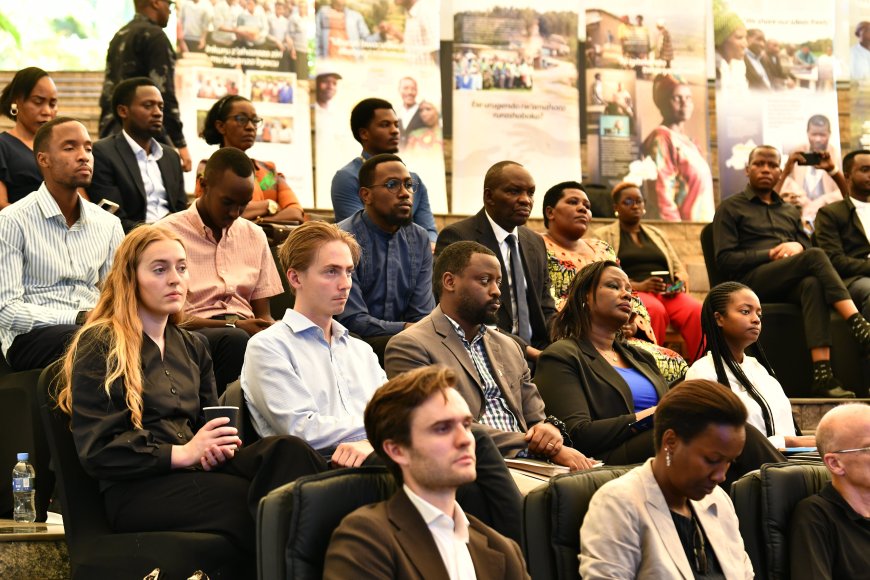
Participants to Aegis Trust's National Reflection on Peace and Values Education and sustainable peacebuilding held in Kigali On Wednesday 13, May 2026. Photo: Aegis Trust.

Aegis Trust Reflects on a Decade of Peace Education Impact in Rwanda

May 13, 2026 - 15:48
 0

At a time when societies across the world are grappling with rising polarisation, misinformation, and social division, educators, policymakers, and peacebuilders gathered in Kigali to reflect on one pressing question: how can peace be sustained across generations?


On Wednesday 13, May 2026, Aegis Trust convened a national reflection on Peace and Values Education and sustainable peacebuilding at the Kigali Genocide Memorial Amphitheatre under the theme “ASPIRE: The Journey and Beyond.”

The gathering brought together government officials, development partners, educators, researchers, and community actors to examine more than a decade of efforts aimed at embedding peacebuilding values into Rwanda’s education system and communities.

The event opened with an exhibition at the Kigali Genocide Memorial, showcasing stories of transformation from schools and communities engaged through Peace and Values Education and the ASPIRE Programme. The exhibition highlighted testimonies of young people, teachers, and local leaders whose perspectives and relationships have been shaped through dialogue, critical thinking, and reconciliation initiatives.
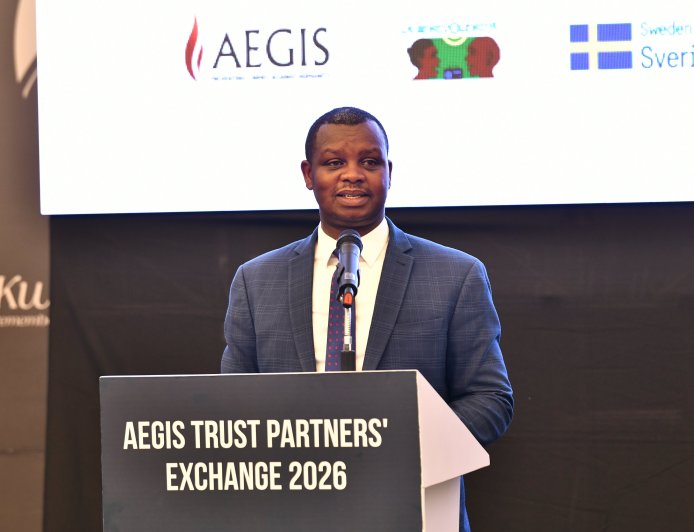
“We gather to celebrate what is possible when communities choose dialogue over division,” said Freddy Mutanguha, Chief Executive Officer of Aegis Trust.

Mutanguha noted that over the years, the organisation and its partners have developed practical Peace and Values Education content that has proven effective both in schools and communities.

“We’ve built a strong foundation for cross-sector collaboration to expand peace education’s reach and impact,” he said.

The reflection also served as a moment to assess both achievements and emerging threats facing sustainable peacebuilding in Rwanda and beyond.

Sandra Shenge said Peace and Values Education has driven a decade of transformation in Rwanda, from classrooms to communities, while also warning that new challenges continue to emerge.

“Peacebuilding is not static. The realities shaping communities today require continuous reflection and adaptation,” she observed.

A major highlight of the event was the presentation of findings from the endline evaluation of the ASPIRE Programme led by Prof. Aggée Shyaka. The evaluation presented evidence of the programme’s impact, including strengthened social cohesion, increased critical thinking among learners, and improved community engagement in peacebuilding activities.

However, the study also identified areas requiring sustained intervention to ensure long-term peace resilience.

Through parallel panel discussions, implementers and stakeholders reflected candidly on progress made, persistent gaps, and overlooked realities that remain central to building sustainable peace.

Among the strongest messages of the day was the importance of institutionalising peace education rather than treating it as a temporary project.

Representing Embassy of Sweden in Rwanda, Martina F. Mohlin praised the collaboration between Aegis Trust, the Ministry of National Unity and Civic Engagement (MINUBUMWE), and the Rwanda’s Ministry of Education (MINEDUC) in embedding Peace and Values Education within Rwanda’s national education system.
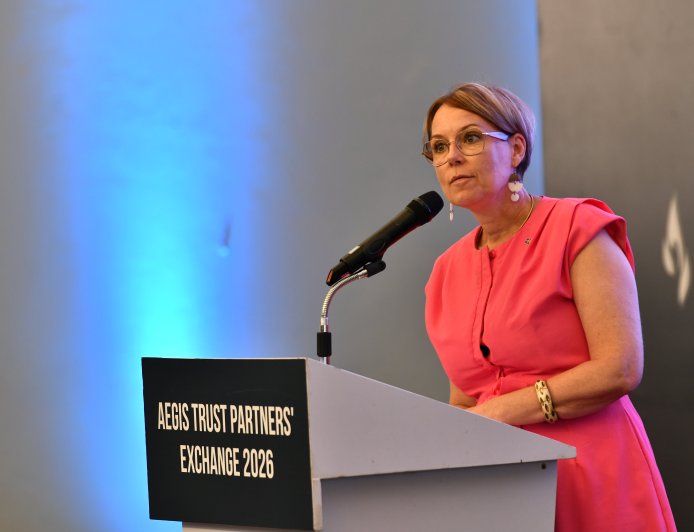
“Peace is not inherited and should never be taken for granted. It is learned, practiced, and renewed by each generation,” she said.

Mohlin warned that growing division and polarisation globally make peace education more urgent than ever, adding that Sweden’s support for peace, human rights, and inclusive development remains both a policy priority and a moral commitment.

The Ministry of Education reaffirmed the government’s commitment to sustaining the programme’s legacy.

Claudette Irere, the Minister of State at MINEDUC noted that since 2016, the Ministry and Aegis Trust have worked closely to integrate Peace and Values Education into Rwanda’s national curriculum, moving the initiative from policy discussions into practical implementation in schools and communities.

“The programme contributed to creating learning spaces where students are not only taught academic content, but are also encouraged to think critically, reject division, and understand the responsibility they carry as citizens,” she said.

Irere emphasised that the true measure of success would not be the duration of the project itself, but whether the values continue to shape homes, schools, communities, and the everyday choices of young people.

She also cautioned against emerging threats facing youth today, including misinformation, hate speech, online manipulation, and increasing social polarization.

As discussions concluded at the Kigali Memorial Amphitheatre, one message remained consistent across speakers and participants alike: sustainable peace cannot be assumed. It must be intentionally taught, nurtured, and defended — generation after generation.
Aegis Trust Reflects on a Decade of Peace Education Impact in Rwanda

May 13, 2026 - 15:48
 0
Aegis Trust Reflects on a Decade of Peace Education Impact in Rwanda
Participants to Aegis Trust's National Reflection on Peace and Values Education and sustainable peacebuilding held in Kigali On Wednesday 13, May 2026. Photo: Aegis Trust.

At a time when societies across the world are grappling with rising polarisation, misinformation, and social division, educators, policymakers, and peacebuilders gathered in Kigali to reflect on one pressing question: how can peace be sustained across generations?


On Wednesday 13, May 2026, Aegis Trust convened a national reflection on Peace and Values Education and sustainable peacebuilding at the Kigali Genocide Memorial Amphitheatre under the theme “ASPIRE: The Journey and Beyond.”

The gathering brought together government officials, development partners, educators, researchers, and community actors to examine more than a decade of efforts aimed at embedding peacebuilding values into Rwanda’s education system and communities.

The event opened with an exhibition at the Kigali Genocide Memorial, showcasing stories of transformation from schools and communities engaged through Peace and Values Education and the ASPIRE Programme. The exhibition highlighted testimonies of young people, teachers, and local leaders whose perspectives and relationships have been shaped through dialogue, critical thinking, and reconciliation initiatives.

“We gather to celebrate what is possible when communities choose dialogue over division,” said Freddy Mutanguha, Chief Executive Officer of Aegis Trust.

Mutanguha noted that over the years, the organisation and its partners have developed practical Peace and Values Education content that has proven effective both in schools and communities.

“We’ve built a strong foundation for cross-sector collaboration to expand peace education’s reach and impact,” he said.

The reflection also served as a moment to assess both achievements and emerging threats facing sustainable peacebuilding in Rwanda and beyond.

Sandra Shenge said Peace and Values Education has driven a decade of transformation in Rwanda, from classrooms to communities, while also warning that new challenges continue to emerge.

“Peacebuilding is not static. The realities shaping communities today require continuous reflection and adaptation,” she observed.

A major highlight of the event was the presentation of findings from the endline evaluation of the ASPIRE Programme led by Prof. Aggée Shyaka. The evaluation presented evidence of the programme’s impact, including strengthened social cohesion, increased critical thinking among learners, and improved community engagement in peacebuilding activities.

However, the study also identified areas requiring sustained intervention to ensure long-term peace resilience.

Through parallel panel discussions, implementers and stakeholders reflected candidly on progress made, persistent gaps, and overlooked realities that remain central to building sustainable peace.

Among the strongest messages of the day was the importance of institutionalising peace education rather than treating it as a temporary project.

Representing Embassy of Sweden in Rwanda, Martina F. Mohlin praised the collaboration between Aegis Trust, the Ministry of National Unity and Civic Engagement (MINUBUMWE), and the Rwanda’s Ministry of Education (MINEDUC) in embedding Peace and Values Education within Rwanda’s national education system.

“Peace is not inherited and should never be taken for granted. It is learned, practiced, and renewed by each generation,” she said.

Mohlin warned that growing division and polarisation globally make peace education more urgent than ever, adding that Sweden’s support for peace, human rights, and inclusive development remains both a policy priority and a moral commitment.

The Ministry of Education reaffirmed the government’s commitment to sustaining the programme’s legacy.

Claudette Irere, the Minister of State at MINEDUC noted that since 2016, the Ministry and Aegis Trust have worked closely to integrate Peace and Values Education into Rwanda’s national curriculum, moving the initiative from policy discussions into practical implementation in schools and communities.

“The programme contributed to creating learning spaces where students are not only taught academic content, but are also encouraged to think critically, reject division, and understand the responsibility they carry as citizens,” she said.

Irere emphasised that the true measure of success would not be the duration of the project itself, but whether the values continue to shape homes, schools, communities, and the everyday choices of young people.

She also cautioned against emerging threats facing youth today, including misinformation, hate speech, online manipulation, and increasing social polarization.

As discussions concluded at the Kigali Memorial Amphitheatre, one message remained consistent across speakers and participants alike: sustainable peace cannot be assumed. It must be intentionally taught, nurtured, and defended — generation after generation.