 English
 Kinyarwanda
Rwanda Signals Possible Withdrawal of Troops from Mozambique as EU Funding Nears End
Rwanda has warned it could withdraw its troops from Mozambique’s conflict-affected Cabo Delgado province if sustainable funding for the mission is not secured, as European Union financial support for the deployment is set to expire in May.
But according to Bloomberg, EU officials say the current assistance measures will expire in May 2026, with no immediate plans announced for renewal.
The uncertainty has sparked strong reactions from senior Rwandan officials, who say the financial contribution from European partners represents only a small portion of the true cost borne by Rwanda in supporting Mozambique’s security.
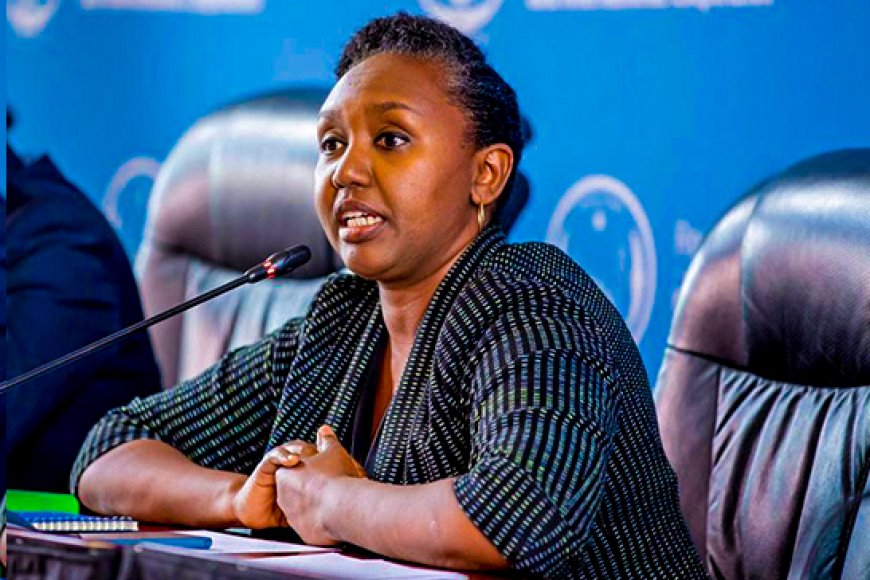
In a statement posted on X, Rwanda’s government spokesperson, Yolande Makolo, said the sustainability of Rwanda’s counter-terrorism deployment depends on “adequate, predictable funding.”
She noted that while the European Peace Facility has disbursed about €20 million, the overall cost to Rwanda is “at least ten times more,” in addition to the human toll of soldiers who have lost their lives during the mission.
Makolo stressed that Rwanda’s forces first deployed to Cabo Delgado in 2021 at the request of the Mozambican government, emphasizing that financial considerations were not the primary motivation.
“Rwandan forces went to Cabo Delgado to work with a brotherly African country that needed support,” she said, adding that the deployment has contributed to visible improvements on the ground.
According to Makolo, communities once displaced by the insurgency have begun returning home, schools have reopened, and businesses have resumed operations in parts of the province. The improved security environment has also helped protect major international investments, including a massive liquefied natural gas project led by France’s TotalEnergies, which had previously been halted because of the violence.
However, Makolo warned that Rwanda’s continued presence cannot be taken for granted.
“If the work being done by Rwandan security forces is not appreciated, the RDF command would be right to urge the government to end this bilateral arrangement and pull out,” she said.
Rwanda’s Foreign Minister, Olivier Nduhungirehe, echoed that message more forcefully.
Writing on X, Nduhungirehe said Rwanda “will withdraw” its troops if sustainable funding for the counter-terrorism mission is not secured.
He pointed to the sacrifices made by Rwandan soldiers and the financial burden carried by Kigali in stabilizing Cabo Delgado, arguing that Rwanda cannot continue to shoulder the responsibility alone while facing criticism and sanctions from some international partners.
“We didn’t pay hundreds of millions of dollars and our soldiers didn’t make the ultimate sacrifice just to see their efforts constantly questioned or vilified,” he wrote.
The statements come amid growing geopolitical tensions surrounding Rwanda’s regional role. Recently, the United States Treasury imposed sanctions on the Rwanda Defence Force, accusing it of supporting the M23 rebel group in eastern Democratic Republic of Congo, allegations Rwanda denies.
It remains unclear whether the sanctions will affect Rwanda’s operations in Mozambique, where thousands of Rwandan troops have been deployed alongside Mozambican forces to combat insurgents who have terrorized the region since 2017.
Despite setbacks, the insurgency has weakened in recent years, partly due to joint military operations and increased regional cooperation.
For many civilians in Cabo Delgado, the presence of foreign troops has meant the difference between displacement and returning home. Markets have reopened in some towns, and families who once fled violence are cautiously rebuilding their lives.
Whether Rwanda’s forces will remain part of that fragile recovery may depend on what happens in the coming months, both in diplomatic negotiations and on the ground.