 English
 Kinyarwanda

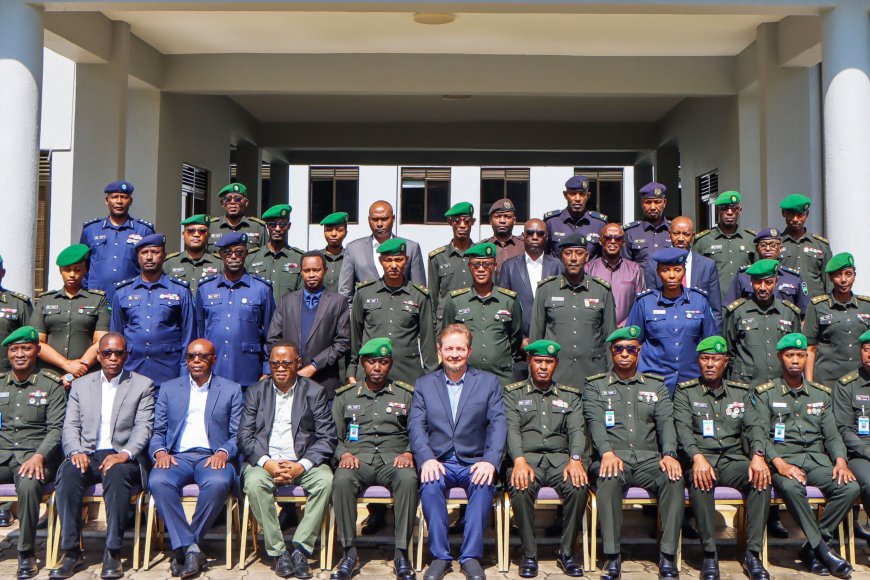
Rwanda Defence College Launches International Relations and Security Course for Senior Leaders

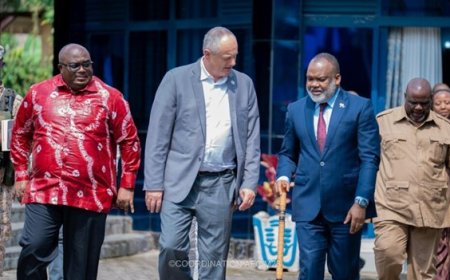
The Rwanda Defence College in Musanze District has launched a new course on international relations and security, marking the start of a series of high-level programs developed in partnership with the United Nations Institute for Training and Research (UNITAR).
The initiative, unveiled on Monday 16 March, at the college campus, aims to equip senior leaders with a deeper understanding of the global political and security landscape at a time when threats are becoming increasingly complex and interconnected.
Representing the Chief of Defence Staff at the launch, Eugene Nkubito, Commander of the 3rd Division, described the programme as more than the start of a new course.
“This is an investment in high-level leadership, an investment in developing the mindset of leaders, and ultimately an investment in national and regional security,” he said.
According to the senior officer, modern security challenges demand leaders who can think beyond traditional military operations. He noted that growing geopolitical tensions, rapid technological change, cross-border crime and shifting political relationships require a broader understanding of how security decisions are shaped.
“Confronting competing interests between nations, technological changes, cross-border crimes, and changing political relationships requires leaders who can think beyond the battlefield—leaders who understand the politics, diplomacy and institutional structures where security decisions are made,” he said.
Nkubito urged participants to take full advantage of the opportunity to challenge their assumptions, expand their perspectives and build lasting professional networks that can strengthen collective responses to shared security threats.
The Director of the Rwanda Defence Force Command and Staff College, Andrew Nyamvumba, said the courses were designed to strengthen the capacity of senior officials to interpret international developments and contribute more effectively to policy formulation and strategic decision-making.
He added that the partnership with UNITAR reflects a growing emphasis on preparing leaders who can navigate both the military and diplomatic dimensions of security in an increasingly interconnected world.
Tags:
-
 Umumararungu laetitiaRdf is power ???????????????????????????????????????????????????????????????????????????????? I like my country