Kagame dismisses U.S. sanctions, warns of potential Mozambique withdrawal
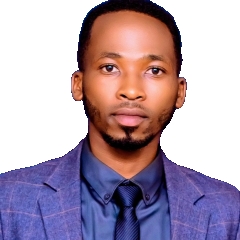
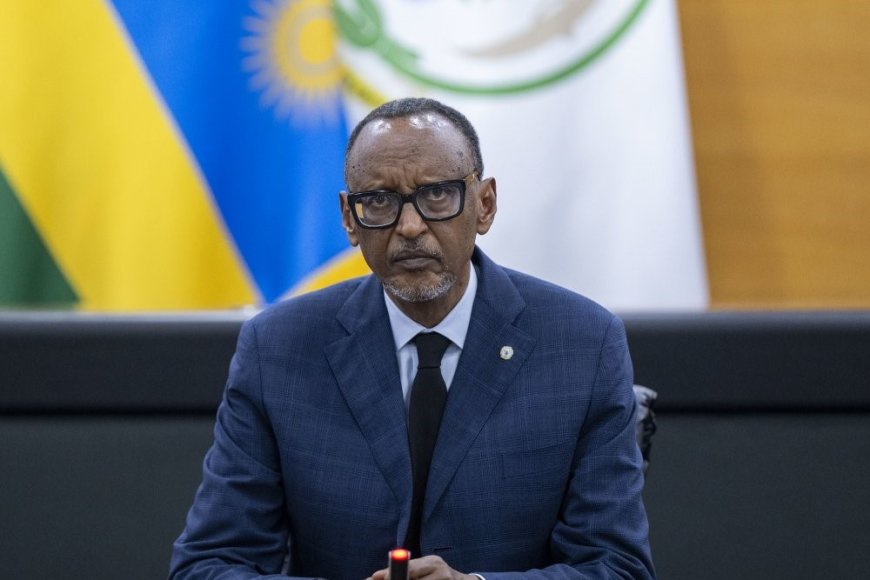
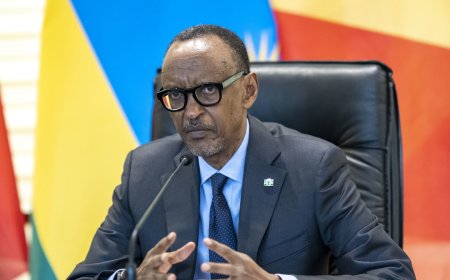
President Paul Kagame during exclusive interview, he addressed regional security, U.S. sanctions, and Rwanda's military presence in Mozambique. Photo: Courtesy

Kagame dismisses U.S. sanctions, warns of potential Mozambique withdrawal

Apr 3, 2026 - 13:53
 0

President Paul Kagame has declared that Rwanda’s security is now “significantly improved” following the takeover of strategic territories in eastern Democratic Republic of Congo (DRC) by AFC/M23 rebels, while simultaneously dismissing recent U.S. sanctions against Rwandan forces as “biased” and ineffective.


In a comprehensive interview with Jeune Afrique on April 3, the Rwandan President made it clear that international pressure would not discourage the country from its defensive strategy.

He emphasised that the current security landscape at the border is more stable than in previous years, despite mounting diplomatic friction with Washington and Kinshasa.

The President’s remarks come just one month after the Trump administration imposed sanctions on the Rwanda Defence Force (RDF) and four senior officers on March 2. Kagame characterised these measures as an “insult” to the nation, arguing they target the victims of regional instability rather than the perpetrators.

“These measures are an insult to our nation; it is far easier to sanction Rwanda than to fix the root causes of the conflict,” Kagame said during the interview.

He maintained that the FDLR, a militia founded by those responsible for the 1994 Genocide against Tutsi, remains the primary threat, operating with the active support of the Congolese government.

Addressing the specific capture of Uvira by M23 on December 10, Kagame rejected the U.S. narrative that the move violated the Washington Accords.

He stated that the fall of the city was “inevitable” due to the military situation on the ground and that American officials had been fully briefed on the shifting dynamics before the peace deal was even signed.

Kagame was equally direct regarding Rwanda’s military presence near the DRC border. When asked about claims that Rwandan troops are operating in eastern Congo, he described the situation as a matter of common sense and a necessary defensive posture.

“If protecting our border requires the enemy to stay 5, 10, or 20 kilometers back, that is a defensive strategy,” he noted. “I will not compromise my defensive measures while the threats to my country remain active.”

The President also clarified the nature of the rebel movement, asserting that “M23 is not a Rwandan group; it is a Congolese movement now known as AFC/M23.” He pointed to the involvement of former Congolese President Joseph Kabila as evidence that the crisis is a domestic political issue within the DRC that requires a Congolese solution.

Shifting focus to Southern Africa, Kagame issued a stern warning regarding Rwanda's counter-terrorism mission in Mozambique’s Cabo Delgado province.

He hinted that Rwanda is prepared to withdraw its 5,000-strong force if the international community, specifically the European Union, fails to provide sustainable funding.

While the EU has offered €20 million in support, Kagame argued the amount is insufficient for a mission that costs Rwanda four to five times that figure.

He suggested that major energy companies operating in the region, such as Total and ExxonMobil, should contribute to the security costs.

“If the European Union or other partners don't think this mission is worth the cost, we are perfectly prepared to bring our soldiers home,” Kagame stated, adding that Rwanda would not continue to foot the bill for a “multilateral security service” indefinitely.

On the domestic political front, the President addressed the controversial alliance between the Tshisekedi administration and Jean-Luc Habyarimana, the son of Rwanda's former president.

Kagame questioned why the DRC was “bankrolling” a figure he believes is being used as a propaganda tool to build support for the FDLR in Europe.

Regarding the upcoming election for the Secretary General of the Organisation Internationale de la Francophonie (OIF), Kagame remained unworried by the competition between Rwanda's Louise Mushikiwabo and the DRC’s candidate, Juliana Lumumba.

He noted that while President Tshisekedi is politicising hard, the process will ultimately be decided by a vote.

Despite the heavy sanctions and diplomatic tension, Kagame remained defiant about Rwanda’s global standing and its economic future. He dismissed concerns that the sanctions would tarnish the country's image of good governance.

“I will not apologise for defending my country, nor will I accept sanctions based on flawed logic,” Kagame said. “We have survived worse. Rwanda was once a country that barely existed; today it is a reality.”
Kagame dismisses U.S. sanctions, warns of potential Mozambique withdrawal

Apr 3, 2026 - 13:53
Apr 3, 2026 - 15:50
 0
Kagame dismisses U.S. sanctions, warns of potential Mozambique withdrawal
President Paul Kagame during exclusive interview, he addressed regional security, U.S. sanctions, and Rwanda's military presence in Mozambique. Photo: Courtesy

President Paul Kagame has declared that Rwanda’s security is now “significantly improved” following the takeover of strategic territories in eastern Democratic Republic of Congo (DRC) by AFC/M23 rebels, while simultaneously dismissing recent U.S. sanctions against Rwandan forces as “biased” and ineffective.


In a comprehensive interview with Jeune Afrique on April 3, the Rwandan President made it clear that international pressure would not discourage the country from its defensive strategy.

He emphasised that the current security landscape at the border is more stable than in previous years, despite mounting diplomatic friction with Washington and Kinshasa.

The President’s remarks come just one month after the Trump administration imposed sanctions on the Rwanda Defence Force (RDF) and four senior officers on March 2. Kagame characterised these measures as an “insult” to the nation, arguing they target the victims of regional instability rather than the perpetrators.

“These measures are an insult to our nation; it is far easier to sanction Rwanda than to fix the root causes of the conflict,” Kagame said during the interview.

He maintained that the FDLR, a militia founded by those responsible for the 1994 Genocide against Tutsi, remains the primary threat, operating with the active support of the Congolese government.

Addressing the specific capture of Uvira by M23 on December 10, Kagame rejected the U.S. narrative that the move violated the Washington Accords.

He stated that the fall of the city was “inevitable” due to the military situation on the ground and that American officials had been fully briefed on the shifting dynamics before the peace deal was even signed.

Kagame was equally direct regarding Rwanda’s military presence near the DRC border. When asked about claims that Rwandan troops are operating in eastern Congo, he described the situation as a matter of common sense and a necessary defensive posture.

“If protecting our border requires the enemy to stay 5, 10, or 20 kilometers back, that is a defensive strategy,” he noted. “I will not compromise my defensive measures while the threats to my country remain active.”

The President also clarified the nature of the rebel movement, asserting that “M23 is not a Rwandan group; it is a Congolese movement now known as AFC/M23.” He pointed to the involvement of former Congolese President Joseph Kabila as evidence that the crisis is a domestic political issue within the DRC that requires a Congolese solution.

Shifting focus to Southern Africa, Kagame issued a stern warning regarding Rwanda's counter-terrorism mission in Mozambique’s Cabo Delgado province.

He hinted that Rwanda is prepared to withdraw its 5,000-strong force if the international community, specifically the European Union, fails to provide sustainable funding.

While the EU has offered €20 million in support, Kagame argued the amount is insufficient for a mission that costs Rwanda four to five times that figure.

He suggested that major energy companies operating in the region, such as Total and ExxonMobil, should contribute to the security costs.

“If the European Union or other partners don't think this mission is worth the cost, we are perfectly prepared to bring our soldiers home,” Kagame stated, adding that Rwanda would not continue to foot the bill for a “multilateral security service” indefinitely.

On the domestic political front, the President addressed the controversial alliance between the Tshisekedi administration and Jean-Luc Habyarimana, the son of Rwanda's former president.

Kagame questioned why the DRC was “bankrolling” a figure he believes is being used as a propaganda tool to build support for the FDLR in Europe.

Regarding the upcoming election for the Secretary General of the Organisation Internationale de la Francophonie (OIF), Kagame remained unworried by the competition between Rwanda's Louise Mushikiwabo and the DRC’s candidate, Juliana Lumumba.

He noted that while President Tshisekedi is politicising hard, the process will ultimately be decided by a vote.

Despite the heavy sanctions and diplomatic tension, Kagame remained defiant about Rwanda’s global standing and its economic future. He dismissed concerns that the sanctions would tarnish the country's image of good governance.

“I will not apologise for defending my country, nor will I accept sanctions based on flawed logic,” Kagame said. “We have survived worse. Rwanda was once a country that barely existed; today it is a reality.”