
Former UN Advisor calls for integration of genocide history in all African schools

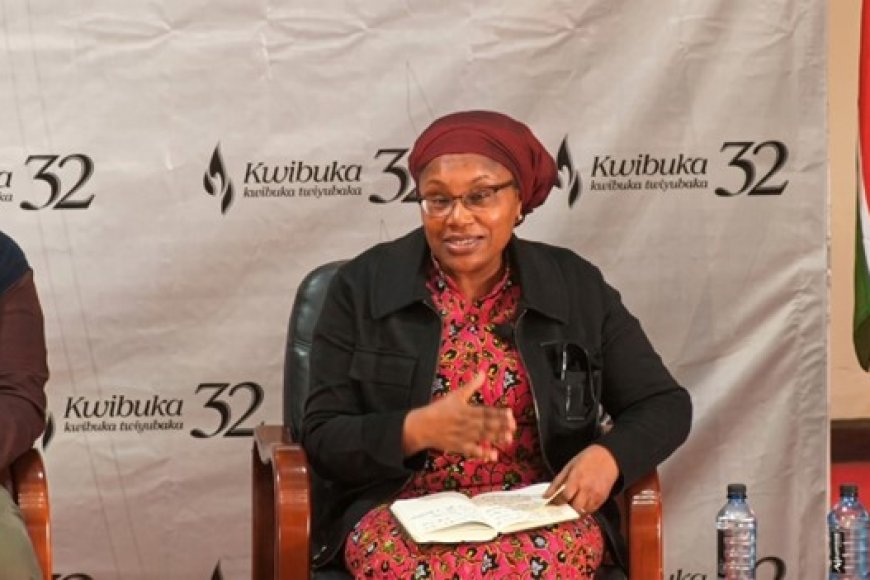
Alice Wairimu Nderitu, former UN Special Advisor on the Prevention of Genocide, speaks during the Kwibuka31 Symposium in Nairobi on April 23, 2026. She called for the integration of genocide survivor testimony into African school curriculums to combat denial and ongoing extremist ideologies.

Former UN Advisor calls for integration of genocide history in all African schools

Apr 24, 2026 - 19:51
 0

Alice Wairimu Nderitu, the former UN Special Advisor on the Prevention of Genocide, has called for integration of testimonies of Survivors of the Genocide against the Tutsi into all African school curricula to combat rising denial and ideology.


Speaking on Thursday, April 23, during the Kwibuka31 Symposium in Nairobi, Nderitu underscored that education is the primary tool to help the continent recognize the patterns of a genocide and fight against its denial.

The event, organized by the Rwanda High Commission to Kenya, commemorated the 32nd anniversary of the 1994 Genocide against the Tutsi.

"I think it's absolutely important that we begin by having testimonies of survivors of the Genocide against the Tutsi integrated into all school curriculums across Africa, so people understand genocide denial when they see it."Nderitu stated. 

Nderitu tied this ongoing threat to the historical pattern of genocide denial, which she described as the tenth and final stage of genocide as outlined by Professor Gregory Stanton.

She noted that deniers often copy the templates of Holocaust and Srebrenica denials.

To counter this, she urged absolute accuracy in language, stressing that the tragedy must always be called the "Genocide against the Tutsi in Rwanda" rather than the "Rwandan genocide."

"If you hear anybody saying Rwandan genocide, correct them, tell them that that is wrong." Nderitu said. 

"Because the Tutsi were targeted for complete annihilation and extinction, and anybody else who died, including the Belgian peacekeepers, the moderates Hutu, they died because they were standing in the way of the complete annihilation of the Tutsi people," she added.

The former UN official highlighted the "efficiency of denial," noting that it began at the UN Security Council while the genocide was still underway in 1994.

She reminded the audience that the International Criminal Tribunal for Rwanda (ICTR) concluded that the genocide was not spontaneous but a well-planned crime of intent dating back to the dehumanization of the 1950s.

Nderitu also raised an alarm regarding the current safety of the Congolese Tutsi (Banyamulenge) in the Democratic Republic of Congo (DRC).

She linked the current violence in eastern DRC to genocide perpetrators in 1994, who fled to Congo and formed the FDLR armed group with anti-Tutsi extremism agenda.

"We must raise our voices for the Congolese Tutsi, and we must recognise the patterns that had happened before the genocide against the Tutsi in Rwanda, happening again in the DRC, as we watch," she warned.

She concluded by criticizing the continued impunity of over 1,000 ICTR indictees who remain free, with more than 500 believed to be living in the DRC. 

"Therefore, what is facing us is big. It's a continuation of the ideology that enabled the genocide against the Tutsi to happen in the first place," Nderitu said.

Former UN Advisor calls for integration of genocide history in all African schools

Apr 24, 2026 - 19:51
Apr 24, 2026 - 22:15
 0
Former UN Advisor calls for integration of genocide history in all African schools
Alice Wairimu Nderitu, former UN Special Advisor on the Prevention of Genocide, speaks during the Kwibuka31 Symposium in Nairobi on April 23, 2026. She called for the integration of genocide survivor testimony into African school curriculums to combat denial and ongoing extremist ideologies.

Alice Wairimu Nderitu, the former UN Special Advisor on the Prevention of Genocide, has called for integration of testimonies of Survivors of the Genocide against the Tutsi into all African school curricula to combat rising denial and ideology.


Speaking on Thursday, April 23, during the Kwibuka31 Symposium in Nairobi, Nderitu underscored that education is the primary tool to help the continent recognize the patterns of a genocide and fight against its denial.

The event, organized by the Rwanda High Commission to Kenya, commemorated the 32nd anniversary of the 1994 Genocide against the Tutsi.

"I think it's absolutely important that we begin by having testimonies of survivors of the Genocide against the Tutsi integrated into all school curriculums across Africa, so people understand genocide denial when they see it."Nderitu stated. 

Nderitu tied this ongoing threat to the historical pattern of genocide denial, which she described as the tenth and final stage of genocide as outlined by Professor Gregory Stanton.

She noted that deniers often copy the templates of Holocaust and Srebrenica denials.

To counter this, she urged absolute accuracy in language, stressing that the tragedy must always be called the "Genocide against the Tutsi in Rwanda" rather than the "Rwandan genocide."

"If you hear anybody saying Rwandan genocide, correct them, tell them that that is wrong." Nderitu said. 

"Because the Tutsi were targeted for complete annihilation and extinction, and anybody else who died, including the Belgian peacekeepers, the moderates Hutu, they died because they were standing in the way of the complete annihilation of the Tutsi people," she added.

The former UN official highlighted the "efficiency of denial," noting that it began at the UN Security Council while the genocide was still underway in 1994.

She reminded the audience that the International Criminal Tribunal for Rwanda (ICTR) concluded that the genocide was not spontaneous but a well-planned crime of intent dating back to the dehumanization of the 1950s.

Nderitu also raised an alarm regarding the current safety of the Congolese Tutsi (Banyamulenge) in the Democratic Republic of Congo (DRC).

She linked the current violence in eastern DRC to genocide perpetrators in 1994, who fled to Congo and formed the FDLR armed group with anti-Tutsi extremism agenda.

"We must raise our voices for the Congolese Tutsi, and we must recognise the patterns that had happened before the genocide against the Tutsi in Rwanda, happening again in the DRC, as we watch," she warned.

She concluded by criticizing the continued impunity of over 1,000 ICTR indictees who remain free, with more than 500 believed to be living in the DRC. 

"Therefore, what is facing us is big. It's a continuation of the ideology that enabled the genocide against the Tutsi to happen in the first place," Nderitu said.