 English
 Kinyarwanda

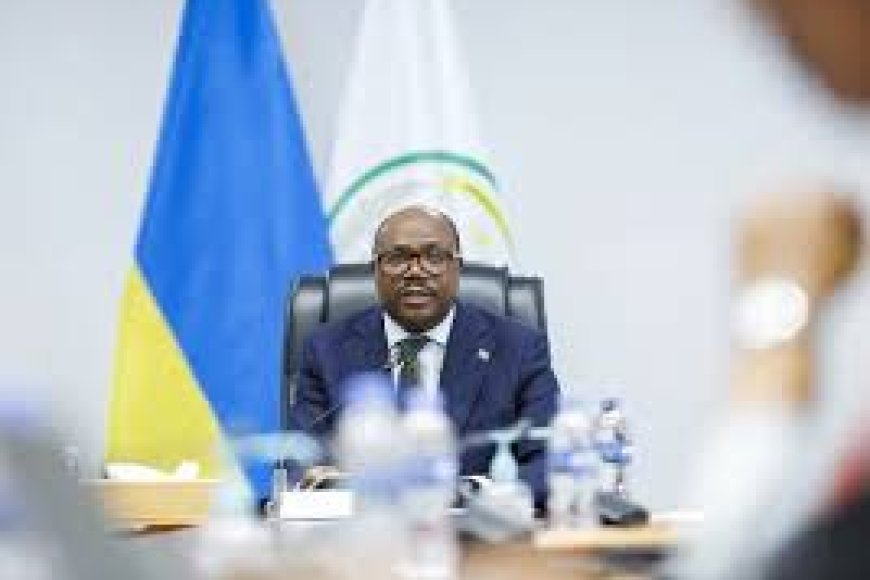
Rwanda avoids ‘stringent measures’ as Middle East conflict hits trade

Prime Minister Justin Nsengiyumva announced on Friday, that Rwanda will not rush into “stringent measures” such as fuel rationing, despite the economic shocks triggered by the escalating conflict in the Middle East.
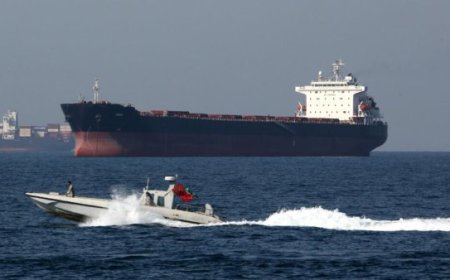
Speaking at a press conference in Kigali on April 3, the Premier noted that while the war between the U.S.-Israel alliance and Iran has already disrupted international trade and hiked transport costs, the government is opting for a market-based response to maintain stability and prevent public alarm.
The global crisis is expected to slow economic growth from 3.3 per cent to 2.7 per cent, a shift that Nsengiyumva warned would inevitably affect Rwanda’s imports and exports as fuel and gas prices climb on the international market.
“There are already impacts on international trade, particularly in transport costs, which have started to create visible effects on prices in the global market, including petroleum and gas products,” Nsengiyumva told reporters.
Despite these external pressures, the Prime Minister ruled out drastic interventions that could disrupt daily life, such as reducing the work week or limiting fuel sales.
“We have done our assessment; we have looked at the stocks that we have... and we feel like we should not rush into stringent measures such as rationing, or even reducing the number of days people go to work per week,” he said. “We are not panicking, and we don’t want people to panic.”
To manage the volatility, the government plans to increase the frequency of fuel price reviews. Currently adjusted every two months, the Prime Minister suggested these reviews could soon happen monthly, or even weekly, to reflect the fast-changing global situation.
“We are looking at ways of doing it more frequently,” Nsengiyumva said. “It can be monthly. But we also need to be flexible enough that it can be even two weeks or one week, depending on how the situation evolves.”
To ensure a steady supply of energy, authorities are working with regional partners and providing financial support, including letters of credit, to oil marketing companies.
However, the Premier also called for a shift in public behavior. He urged citizens to use petroleum products more efficiently by opting for public transport and reducing unnecessary travel.
He pointed to the state-owned bus company, EcoFleet Solutions, as a key player in enhancing public transport services during this period.
Addressing the business community, Nsengiyumva warned against exploiting the crisis to inflate costs.
“These challenges should not be used as an excuse for poor performance or unjustified price increases by businesses. We must avoid such behavior,” he cautioned.
The economic outlook for Rwanda remains relatively strong compared to global trends, though some cooling is expected. The International Monetary Fund (IMF) recently revised Rwanda’s growth forecast from 7.2 per cent down to 6.8 per cent.
The Prime Minister framed this revised figure as a sign of strength, noting it remains well above the projected global average. He credited this to the country's “consistency” and “resilience,” highlighting that the economy grew by 9.4 per cent in 2025.
As a long-term strategy, Nsengiyumva emphasised the need to diversify fuel sources and invest in renewable energy to reduce reliance on the Middle East. He also urged a renewed focus on the “Made in Rwanda” initiative and increased agricultural production to shield the country from external supply chain shocks.
“The resilience of our economy depends on our collective effort,” the Minister said. “We must all prepare and respond appropriately.”