 English
 Kinyarwanda

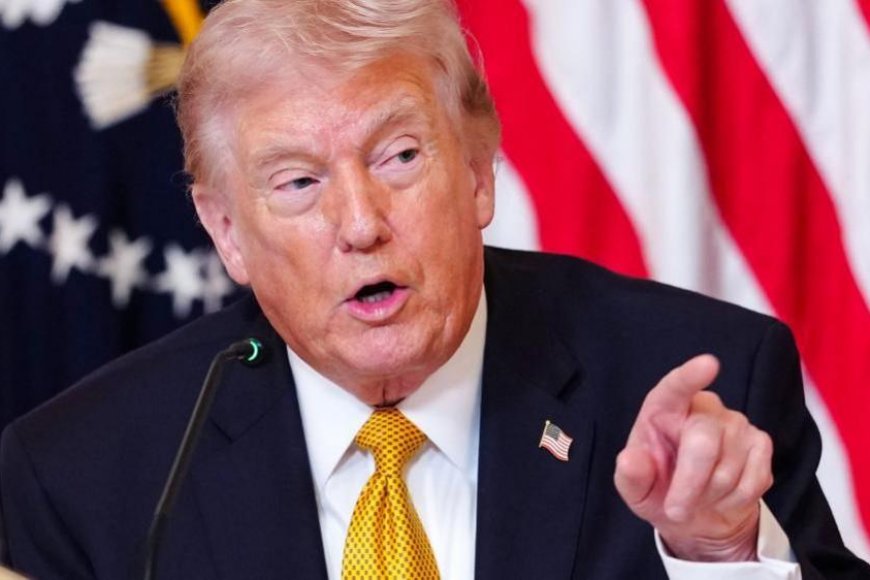
BREAKING - Trump Delays Iran Strike by Two Weeks

U.S. President Donald Trump has announced a two-week suspension of planned military action against Iran, opening a narrow window for diplomacy following appeals from Pakistan’s leadership.
In a post on Truth Social, Trump said he agreed to delay the strike after conversations with Pakistan’s Prime Minister Shehbaz Sharif and Army Chief Asim Munir. The pause, he noted, is conditional on Iran agreeing to the “complete, immediate, and safe opening” of the Strait of Hormuz.
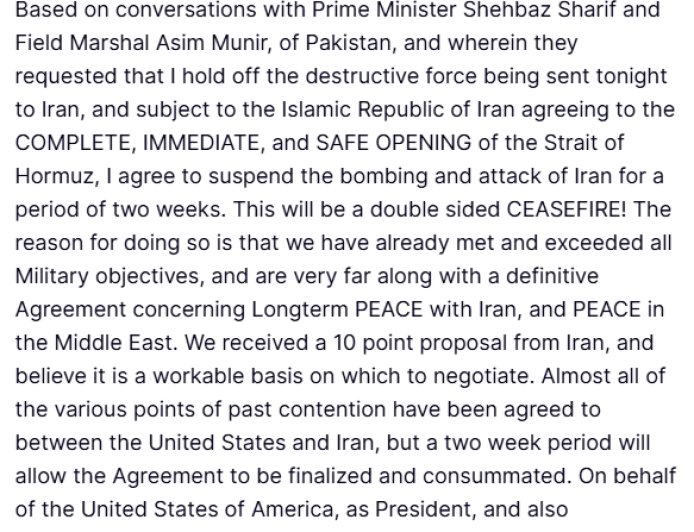
The U.S. president described the move as part of a “double-sided ceasefire,” adding that Washington believes it is close to reaching a broader agreement with Tehran. According to Trump, a 10-point proposal from Iran is already under consideration and could form the basis of a long-term peace deal.
Earlier, Sharif had publicly urged Washington to give diplomacy more time, saying efforts toward a peaceful settlement were “progressing steadily, strongly and powerfully.” He also called on Iran to reopen the strategic waterway as a goodwill gesture to ease tensions in the region.
A U.S. official familiar with the discussions said the proposal reflects confidence-building measures being explored behind closed doors, though it remains uncertain whether all parties will accept the terms.
Iran has responded cautiously but positively to the diplomatic opening. Foreign Minister Abbas Araghchi expressed appreciation for Islamabad’s role, stating, “We are deeply grateful to Pakistan for its efforts,” while reiterating Tehran’s preference for a lasting resolution over temporary arrangement.
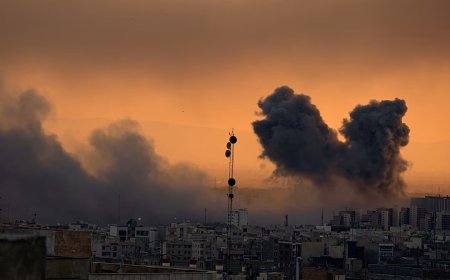
The developments come after days of heightened tension, during which Donald Trump warned that failure to comply could trigger strikes on Iran’s critical infrastructure—raising serious humanitarian and legal concerns.
Trump had earlier stated that Iran’s electricity networks, bridges, and other key facilities could be targeted if it refused to reopen the Strait of Hormuz, despite international law prohibiting deliberate attacks on civilian infrastructure.
For now, the two-week pause offers a fragile but significant opportunity. With Pakistan positioned as a key intermediary, the coming days are expected to test whether diplomacy can succeed where threats of escalation have so far dominated.