 English
 Kinyarwanda

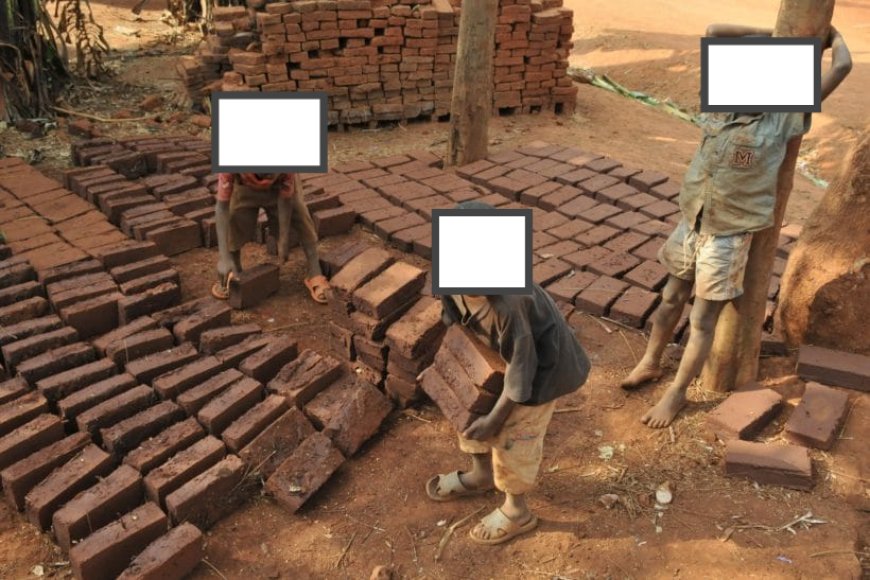
Inside of 41 million children engaged in labour across East, South Africa

An estimated 41 million children in Eastern and Southern Africa are currently engaged in child labour, a figure representing nearly one-third of the global total, according to a UNICEF report released in February 2026.
The data brief reveals that one in five children in the region is involved in work that threatens their health, education, and development.
While the world promised to end child labour by 2025 as part of the Sustainable Development Goals (SDGs), the report confirms that timeline has now come to an end. But child labour has not.
These findings highlight a critical human rights crisis, as 13.4 million of these children are engaged in hazardous work—the highest number and prevalence of any region in the world.
Driven by economic instability, climate change, and conflict, these children face daily risks that hinder their ability to grow and learn.
"Child labour remains one of the most urgent child rights challenges in Eastern and Southern Africa," Etleva Kadilli, UNICEF Regional Director for Eastern and Southern Africa, stated in a report.
On a global scale, the region’s struggle is part of a larger crisis involving 137.6 million children worldwide.
Although global figures have seen some improvement, the report shows that the burden in Eastern and Southern Africa remains high, with a prevalence of 19.5 per cent compared to the global average of 7.8 per cent.
The report notes that progress has been made since 2020, when 49 million children were in child labour in the region. Prevalence has dropped from 26 per cent to 20 per cent over the last four years, yet experts warn that these recent gains remain fragile.
For many children, the transition from the classroom to the field happens early. Two-thirds of those in child labour in the region are under the age of 12.
According to the report, agriculture is the primary sector for this work, though its share diminishes as children get older and move into industry or services.
Hazardous work, which includes tasks involving dangerous machinery, heavy loads, or long hours, is a major concern in the industry and services sectors. In these areas, more than half of all child labour is classified as hazardous.
The impact on education is severe. According to the data, "6 in 10 adolescents in child labour are not attending school compared with 2 in 10 of their peers who are not in child labour". This gap suggests that work is not just a supplement to school but a direct barrier to it.
Gender also plays a role in how children experience these risks. While child labour has declined for both sexes since 2020, "progress has been slower for girls".
When hazardous household tasks are included, such as caring for the sick or cleaning for more than 21 hours a week, UNICEF shows that the prevalence of child labour in the region rises significantly from 21 to 27 per cent.
UNICEF emphasizes that ending these practices requires more than just policy changes. The report calls for "sustained domestic financing that protects families and keeps children in school".
The findings underscore a need for child labour concerns to be "systematically mainstreamed into economic and social policy planning," ensuring that public investments reach the families most at risk.