 English
 Kinyarwanda

UN Changes Risky Financial Rules to Safeguard Global Operations

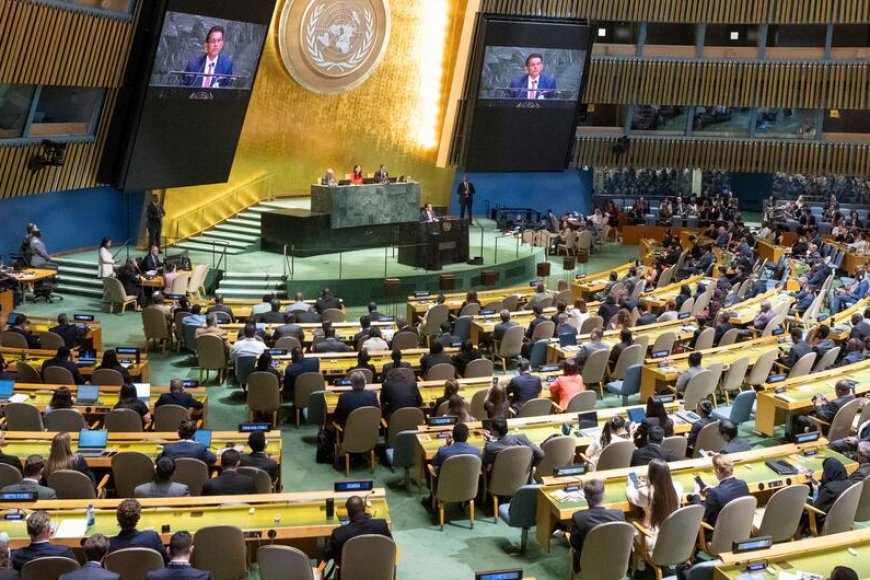
The United Nations General Assembly has approved a major change of its financial rules to protect the organization from severe budget instability, ending a long-standing practice that forced the UN to return unspent funds it had never actually received.
The decision, passed on Tuesday, June 30 in New York, introduces a new four-year trial methodology ensuring that unspent funds are only returned to Member States if they are fully backed by cash.
UN Secretary-General António Guterres strongly welcomed the reform, which he has championed since taking office, noting that it directly safeguards the UN’s immediate operational continuity, particularly for peacekeeping missions.
"This important change will greatly benefit my successor who will no longer be hamstrung by being forced to return funds that were, all too often, never even received in the first place," Guterres said in a statement.
Prior to this vote, rigid financial regulations put the UN’s stability at risk by requiring the organization to redistribute unspent budget allocations on paper, even when Member States failed to pay on their actual cash contributions.
According to Guterres, the newly approved methodology will allow the UN to manage its regular and peacekeeping budgets in a more predictable and responsible manner.
This stability is expected to improve how the organization executes the global mandates handed down by its member nations.
Expressing his gratitude to the General Assembly for taking the step, Guterres also issued a reminder to countries lagging behind on their financial commitments.
"I thank those Member States that have paid their assessed contributions and renew my call on all to meet their obligations under the UN Charter," Guterres stated.
The new cash-backed refund system goes into effect immediately as part of the four-year trial period to stabilize the UN's long-term financial health.