 English
 Kinyarwanda

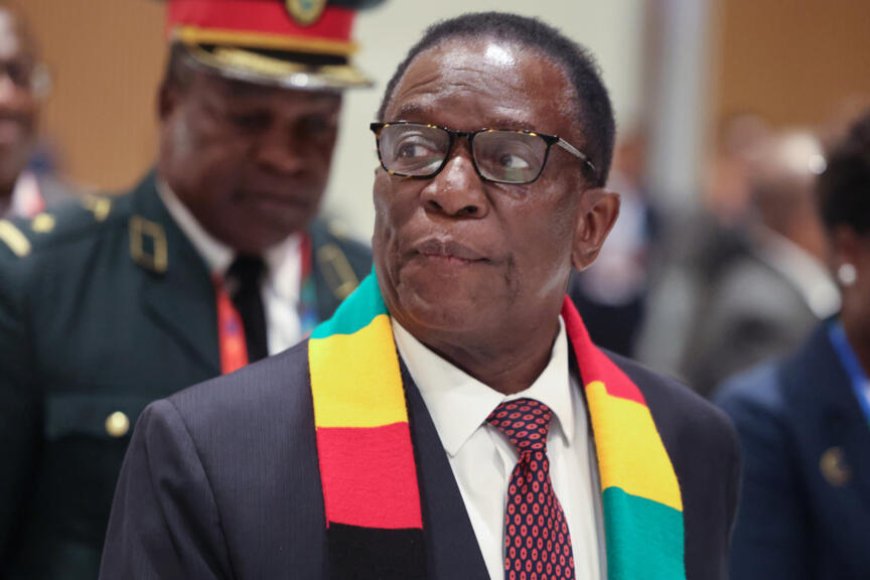
Zimbabwe Parliament Extends Presidential Term For Two Years

The Zimbabwean parliament voted on Tuesday, June 30 to extend the presidential term by two years and end public voting, passing a major constitutional change that now only requires President Emmerson Mnangagwa’s signature to become law.
The National Assembly voted 226 to 41 to accept the amendments, passing the final legislative hurdle after the Senate initially agreed to the new laws on June 24.
The raft of changes will extend both presidential and parliamentary terms from five to seven years. This extension ensures that the final constitutionally limited term for the 83-year-old Mnangagwa will be pushed until 2030.
Under the new amendments, parliament will now hold the sole power to appoint the president. This effectively abolishes direct presidential elections, a democratic system that was first introduced to the resource-rich nation in 1987, seven years after independence.
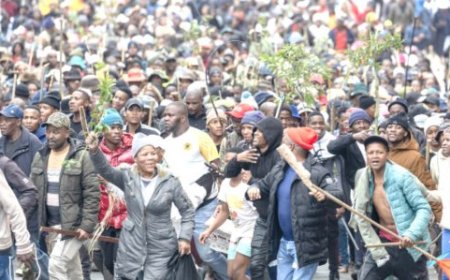
Critics and opposition figures have sharply criticized the legislative overhaul, labeling the move a “constitutional coup.”
The weakened opposition charges that these amendments will deeply establish the ruling Zanu-PF party’s grip on power. The party has governed Zimbabwe since achieving independence in 1980.
Furthermore, legal experts warn that the new framework introduces a major constitutional gap.
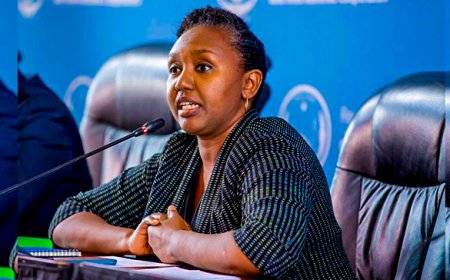
Lawyer and leading opposition figure Doug Coltart told AFP that the changes open the path for a president to begin a brand new seven-year term once elected by parliament.
According to Coltart, this gap could allow parliament “to continually renew its own mandate without ever returning to the electorate,”.
“It's an interpretation that we are now going to have to fight,” Coltart told AFP.
Mnangagwa, widely nicknamed “The Crocodile” because of his ruthlessness, originally came to power in 2017 following a military-backed coup. That intervention overthrew the late Robert Mugabe, who was removed at the age of 93 after 37 years in power.
Backed by a strong parliamentary majority, Zanu-PF pushed the changes through despite violent objections from an opposition movement already weakened by years of political repression and spoiled elections.