
EU Ambassador pledges sustained support for Rwanda’s peacebuilding initiatives
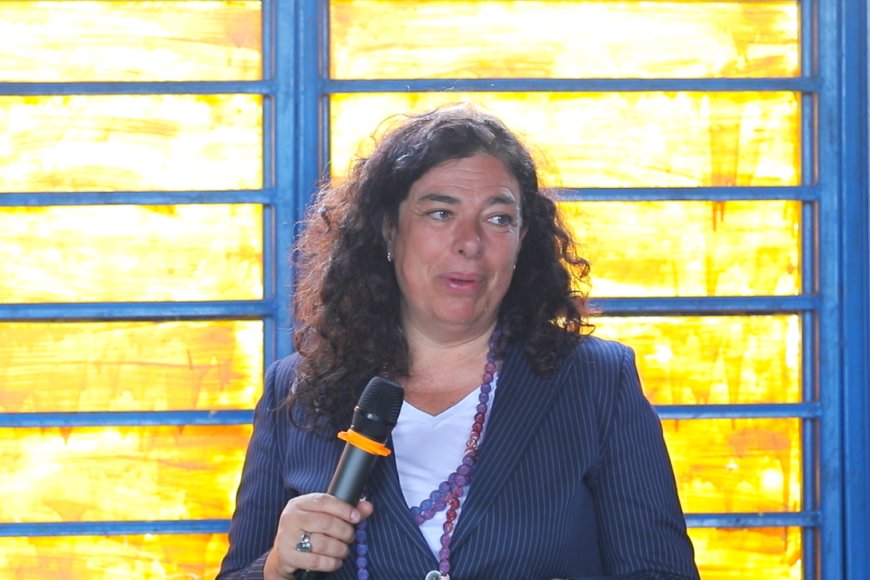
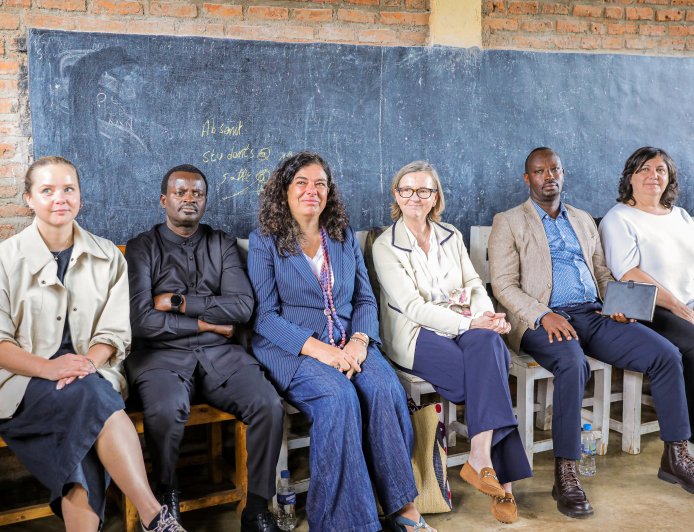
H.E. Belen Calvo Uyarra, European Union Ambassador to Rwanda, interacting with community members in Musanze District who participated in Mvura Nkuvure – sociotherapy. 18 April 2026.

EU Ambassador pledges sustained support for Rwanda’s peacebuilding initiatives

Apr 22, 2026 - 18:44
 0

The European Union (EU) Ambassador to Rwanda, H.E. Belen Calvo Uyarra, has reaffirmed the bloc’s commitment to supporting Rwanda’s long-term efforts to strengthen reconciliation and resilience more than three decades after the Genocide against the Tutsi.


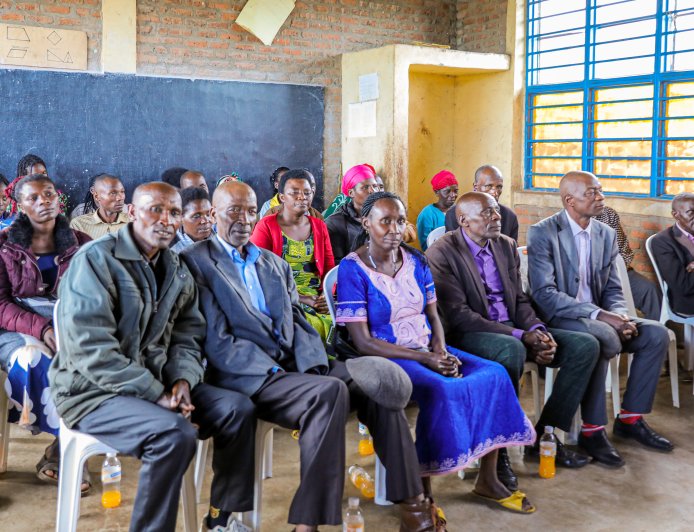
Ambassador Uyarra made the remarks last week while engaging with community members in Musanze District who participated in Mvura Nkuvure sociotherapy—a group-based healing approach implemented by Interpeace and its partners, such as Prison Fellowship Rwanda, Haguruka and Dignity in Dentention.

She emphasised that the EU’s partnership with Rwanda goes beyond diplomatic relations, extending to the practical rebuilding of the country’s social fabric, which was deeply fractured during the genocide 32 years ago.

The EU and Rwanda have established a strong partnership, with the bloc supporting a range of initiatives focused on trauma healing and psychosocial support, reconciliation and trust-building, citizen engagement through transformative governance, and improved livelihoods.
“Particularly during this period of Kwibuka, we as the European Union stand in solidarity, in remembrance, and in action,” Ambassador Uyarra said.

“I believe the work we are doing together with Interpeace reflects our commitment to rebuilding the nation and strengthening unity,” she added.

The Ambassador noted that the EU’s diplomatic and financial investment is also yielding “human returns,” as reflected in testimonies from local residents.

One participant, a genocide survivor, shared how sociotherapy transformed his life and relationships, including reconciling with a neighbor he once feared. A confessed perpetrator in the same group also described his journey from fear and isolation to reconciliation and peaceful coexistence within the community.
“We deeply admire the courage it takes to forgive and to engage in the daily work of reconciliation with your neighbors,” Ambassador Uyarra said. “Rebuilding communities together and working toward a shared future is truly remarkable.”

“We are proud, as the European Union, to stand behind people like you,” she added.

Jean Paul Mugiraneza, Senior Special Advisor to the President of Interpeace for Peacebuilding and Programme Development, explained that the initiative is grounded in a scientific and context-driven approach aimed at strengthening community trust and collaboration.

He praised participants for their openness and willingness to engage in the healing process.
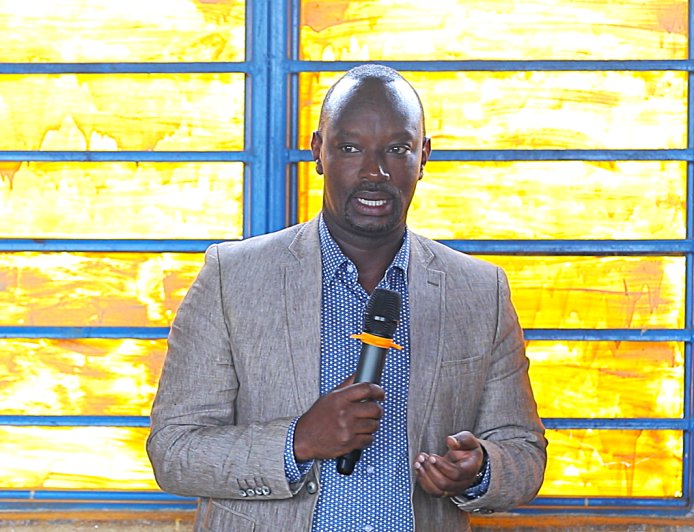
Mugiraneza added that discussions are ongoing with the Government of Rwanda to institutionalise and scale up the initiative nationwide.

“The process belongs to the government and the people themselves,” he noted. “We are working to anchor it institutionally so that it can expand and continue with national ownership, while we provide support.”

He highlighted that the project, which began as a pilot in Bugesera District, has expanded to districts including Nyabihu District, Musanze District, Nyamagabe District, Ngoma District, and Nyagatare District. The initiative is now formally anchored through a Memorandum of Understanding with the Ministry of National Unity and Civic Engagement (MINUBUMWE).
 

EU Ambassador pledges sustained support for Rwanda’s peacebuilding initiatives

Apr 22, 2026 - 18:44
Apr 22, 2026 - 18:50
 0
EU Ambassador pledges sustained support for Rwanda’s peacebuilding initiatives
H.E. Belen Calvo Uyarra, European Union Ambassador to Rwanda, interacting with community members in Musanze District who participated in Mvura Nkuvure – sociotherapy. 18 April 2026.

The European Union (EU) Ambassador to Rwanda, H.E. Belen Calvo Uyarra, has reaffirmed the bloc’s commitment to supporting Rwanda’s long-term efforts to strengthen reconciliation and resilience more than three decades after the Genocide against the Tutsi.


Ambassador Uyarra made the remarks last week while engaging with community members in Musanze District who participated in Mvura Nkuvure sociotherapy—a group-based healing approach implemented by Interpeace and its partners, such as Prison Fellowship Rwanda, Haguruka and Dignity in Dentention.

She emphasised that the EU’s partnership with Rwanda goes beyond diplomatic relations, extending to the practical rebuilding of the country’s social fabric, which was deeply fractured during the genocide 32 years ago.

The EU and Rwanda have established a strong partnership, with the bloc supporting a range of initiatives focused on trauma healing and psychosocial support, reconciliation and trust-building, citizen engagement through transformative governance, and improved livelihoods.

“Particularly during this period of Kwibuka, we as the European Union stand in solidarity, in remembrance, and in action,” Ambassador Uyarra said.

“I believe the work we are doing together with Interpeace reflects our commitment to rebuilding the nation and strengthening unity,” she added.

The Ambassador noted that the EU’s diplomatic and financial investment is also yielding “human returns,” as reflected in testimonies from local residents.

One participant, a genocide survivor, shared how sociotherapy transformed his life and relationships, including reconciling with a neighbor he once feared. A confessed perpetrator in the same group also described his journey from fear and isolation to reconciliation and peaceful coexistence within the community.

“We deeply admire the courage it takes to forgive and to engage in the daily work of reconciliation with your neighbors,” Ambassador Uyarra said. “Rebuilding communities together and working toward a shared future is truly remarkable.”

“We are proud, as the European Union, to stand behind people like you,” she added.

Jean Paul Mugiraneza, Senior Special Advisor to the President of Interpeace for Peacebuilding and Programme Development, explained that the initiative is grounded in a scientific and context-driven approach aimed at strengthening community trust and collaboration.

He praised participants for their openness and willingness to engage in the healing process.

Mugiraneza added that discussions are ongoing with the Government of Rwanda to institutionalise and scale up the initiative nationwide.

“The process belongs to the government and the people themselves,” he noted. “We are working to anchor it institutionally so that it can expand and continue with national ownership, while we provide support.”

He highlighted that the project, which began as a pilot in Bugesera District, has expanded to districts including Nyabihu District, Musanze District, Nyamagabe District, Ngoma District, and Nyagatare District. The initiative is now formally anchored through a Memorandum of Understanding with the Ministry of National Unity and Civic Engagement (MINUBUMWE).