 English
 Kinyarwanda

Rwanda envoy raises alarm over genocide denial and rising risks
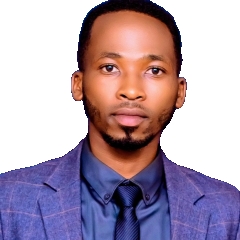
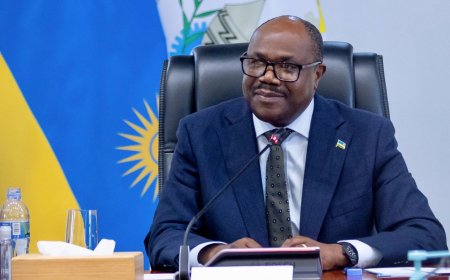
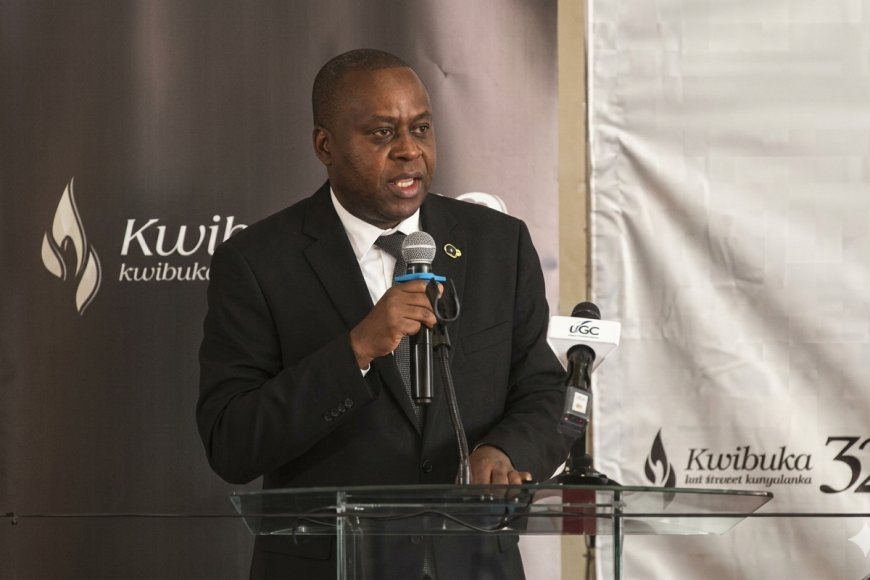
Rwanda’s High Commissioner to Kenya, Ernest Rwamucyo, has warned that genocide denial and revisionism are “dangerous tools” that risk triggering future violence if the international community fails to confront them.
Speaking at the Symposium on Genocide Prevention in Nairobi on Wednesday, April 22, Rwamucyo stated that genocide is a process with identifiable warning signs rather than a spontaneous event.
He noted that these signs are frequently ignored by global actors, as was the case during the 1994 Genocide against the Tutsi in Rwanda.
“Genocide denial, revisionism, and dehumanisation are not merely distortions of history,” Rwamucyo told the gathering. “They are dangerous tools that can enable future violence if we fail to confront them.”
The envoy highlighted that the international community’s failure to stop the 1994 Genocide, despite early warnings, was a matter of choice rather than necessity. He
The warning comes amid reports of ongoing anti-Tutsi violence in eastern DR Congo, where Rwamucyo noted that forces responsible for the 1994 Genocide continue to operate freely.
He called for consistent and principled accountability, warning that selective justice suggests some lives are less worthy of protection than others.
“Silence, indifference, or selective engagement only emboldens those who seek to rewrite history or repeat it,” Rwamucyo added.
The symposium, organised by the Rwanda High Commission in Kenya alongside the Lumumba Foundation and academic institutions, was held in line with the 32nd commemoration of the 1994 Genocide against the Tutsi, which claimed one million lives in 100 days.