
Oil Prices Hit Lowest Level Since Onset of US-Iran War

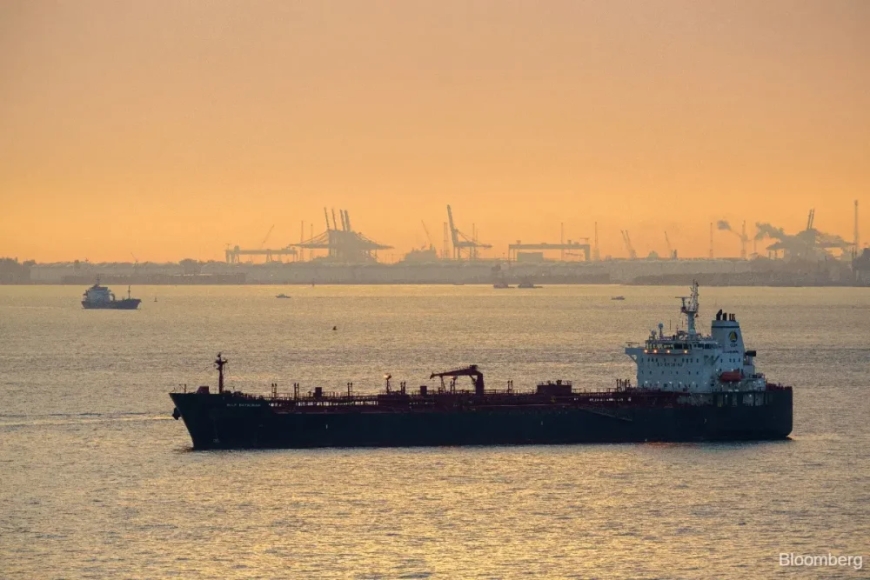
Oil prices fell sharply following an agreement between the U.S. and Iran. Photo: Courtesy

Oil Prices Hit Lowest Level Since Onset of US-Iran War

Jun 18, 2026 - 20:39
 0

Oil prices have dropped by 2 percent on June 18, falling to their lowest level since the opening day of the war between the United States and Iran.


The decline follows a preliminary agreement reached between the U.S. and Iran aimed at halting hostilities, reopening the strategic Strait of Hormuz, and easing economic sanctions imposed on Iran.

The accord, which is scheduled to be officially signed on June 19, has boosted investor confidence that oil supplies will soon flow back into the international market at higher volumes.

Crude oil prices fell by 2 percent today, dropping by $1.59 to settle at $77.96 per barrel.

This is the lowest oil price recorded since March 2, 2026. That date was the first day of market trading after the United States and Israel launched their first major military attacks against Iran.

The preliminary 14-point agreement outlines a roadmap to lower regional tensions, beginning with a 60-day ceasefire. This two-month truce aims to allow both sides to negotiate a detailed permanent treaty, which is expected to include non-aggression commitments and war reparations for Iran.

As part of the deal, Iran will reopen the strategic Strait of Hormuz to commercial shipping within the 60-day window. In return, the United States will withdraw the military forces that are currently blocking the waterway.

The agreement further mandates that maritime shipping traffic through the critical trade corridor must completely normalize within 30 days.

International financial and energy officials have weighed in on what this means for the global economy moving forward.

Kristalina Georgieva, Managing Director of the International Monetary Fund (IMF) stated that while oil prices could continue to trend downward, a rapid or drastic collapse is unlikely.

She explained that a floor will remain under prices because nations still need to replenish their depleted strategic oil reserves, and maritime transport networks will take time to fully adjust.

Fatih Birol, Executive Director of the International Energy Agency (IEA) stressed the urgency of the situation, noting that it is absolutely critical for the United States and Iran to successfully conclude and finalize their permanent negotiations within the designated 60-day truce window.

The Strait of Hormuz is a vital global chokepoint through which 20 percent of the world's daily petroleum consumption and large volumes of international trade pass.


Oil Prices Hit Lowest Level Since Onset of US-Iran War

Jun 18, 2026 - 20:39
 0
Oil Prices Hit Lowest Level Since Onset of US-Iran War
Oil prices fell sharply following an agreement between the U.S. and Iran. Photo: Courtesy

Oil prices have dropped by 2 percent on June 18, falling to their lowest level since the opening day of the war between the United States and Iran.


The decline follows a preliminary agreement reached between the U.S. and Iran aimed at halting hostilities, reopening the strategic Strait of Hormuz, and easing economic sanctions imposed on Iran.

The accord, which is scheduled to be officially signed on June 19, has boosted investor confidence that oil supplies will soon flow back into the international market at higher volumes.

Crude oil prices fell by 2 percent today, dropping by $1.59 to settle at $77.96 per barrel.

This is the lowest oil price recorded since March 2, 2026. That date was the first day of market trading after the United States and Israel launched their first major military attacks against Iran.

The preliminary 14-point agreement outlines a roadmap to lower regional tensions, beginning with a 60-day ceasefire. This two-month truce aims to allow both sides to negotiate a detailed permanent treaty, which is expected to include non-aggression commitments and war reparations for Iran.

As part of the deal, Iran will reopen the strategic Strait of Hormuz to commercial shipping within the 60-day window. In return, the United States will withdraw the military forces that are currently blocking the waterway.

The agreement further mandates that maritime shipping traffic through the critical trade corridor must completely normalize within 30 days.

International financial and energy officials have weighed in on what this means for the global economy moving forward.

Kristalina Georgieva, Managing Director of the International Monetary Fund (IMF) stated that while oil prices could continue to trend downward, a rapid or drastic collapse is unlikely.

She explained that a floor will remain under prices because nations still need to replenish their depleted strategic oil reserves, and maritime transport networks will take time to fully adjust.

Fatih Birol, Executive Director of the International Energy Agency (IEA) stressed the urgency of the situation, noting that it is absolutely critical for the United States and Iran to successfully conclude and finalize their permanent negotiations within the designated 60-day truce window.

The Strait of Hormuz is a vital global chokepoint through which 20 percent of the world's daily petroleum consumption and large volumes of international trade pass.