
Rwanda’s Foreign Affairs Minister Demonstrates the Country’s Position on the International Diplomatic Stage

Photo/The New Times

Rwanda’s Foreign Affairs Minister Demonstrates the Country’s Position on the International Diplomatic Stage

Feb 6, 2026 - 16:57
 0

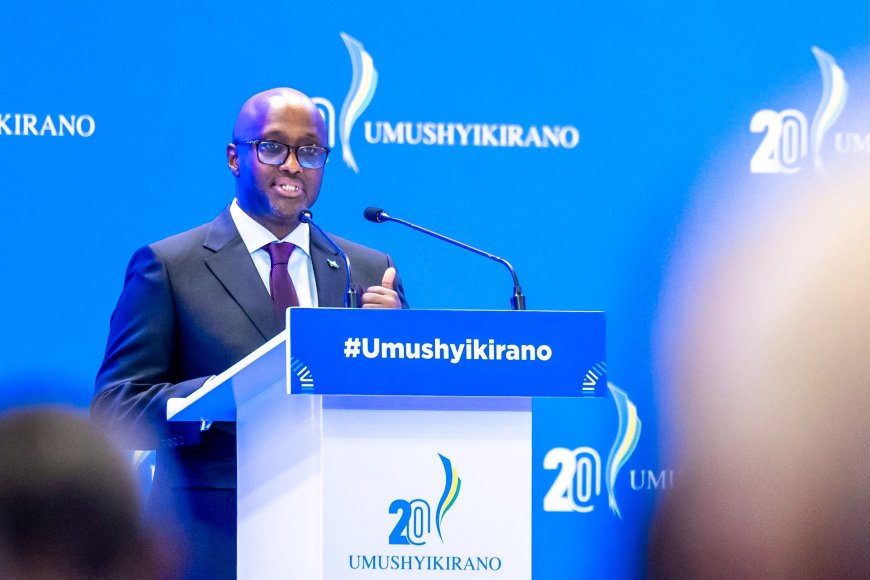
The Minister of Foreign Affairs and International Cooperation Olivier Nduhungirehe 6 February took stock of Rwanda’s position on the international stage, noting how the country has strengthened its global standing more than three decades after the Genocide against the Tutsi.


He was speaking at the second day of the 20th National Umushyikirano Council, a forum for Rwandans to discuss issues of national importance, including national development, unity, and youth empowerment.

Nduhungirehe said Rwanda is in a strong position within the international community, viewed as a "reliable, stable, and respected partner," thanks to the progress and results the country has achieved, the New Times reported.

In terms of foreign relations, Minister Nduhungirehe said that Rwanda has steadily expanded its international presence, particularly since the first edition of Umushyikirano in 2003.

“At the time, Rwanda had 20 embassies, today that number has grown to 50, across all continents of the world," he said. "Likewise, the number of foreign embassies in Rwanda has increased. In the same year, Rwanda had 16 foreign embassies, but now there are 47 of them.”

In addition, 22 international organisations have chosen Rwanda as the location for their headquarters.”

The country also plays an active role in major international organisations, including the Commonwealth and La Francophonie.

“Rwanda’s role extends to Africa, where it contributes to building a united continent. Many African Union meetings have been hosted in Rwanda, and the President has even been asked to lead a committee responsible for US reforms,” he added

According to Nduhungirehe, these efforts underscore Rwanda’s strong and growing international influence.  32 years ago, the country experienced the Genocide against Tutsi, which devastated its economy, infrastructure and the social fabric. At the international stage, the genocide left the country in a position of was pitiful victim with little to no influence.

Nduhungirehe also noted Rwanda’s efforts in economic diplomacy, aimed at facilitating investment, trade, and exports.

“The country has signed agreements with other nations, including bilateral investment treaties and double taxation avoidance agreements, to make business easier.”

According to Nduhungirehe, beyond fostering unity and patriotism, the diaspora has contributed significantly through remittances.

“At the first edition of Umushyikirano, Rwandans abroad sent $9.6 million back home; today, that figure has grown to $520 million, a 52-fold increase,” he said.

“The diaspora also invests in Rwanda and partners with government, with various programmes encouraging them to return and contribute directly to development.”

Rwanda’s role in global security

On security, Nduhungirehe said Rwanda is a trusted partner of the United Nations in maintaining global peace.

The minister said that Rwanda is currently the second-largest contributor of peacekeeping troops in the world, with more than 6,000 personnel deployed in countries including South Sudan and the Central African Republic.

“Rwanda is committed to protecting civilians,” Nduhungirehe said. “Simply having UN troops on the ground is not enough, but their main duty should be protecting civilians.”

This is also the motivation behind Rwanda's bilateral security agreements and deployments to Mozambique and the Central African Republic.



Rwanda’s Foreign Affairs Minister Demonstrates the Country’s Position on the International Diplomatic Stage

Feb 6, 2026 - 16:57
 0
Rwanda’s Foreign Affairs Minister Demonstrates the Country’s Position on the International Diplomatic Stage
Photo/The New Times

The Minister of Foreign Affairs and International Cooperation Olivier Nduhungirehe 6 February took stock of Rwanda’s position on the international stage, noting how the country has strengthened its global standing more than three decades after the Genocide against the Tutsi.


He was speaking at the second day of the 20th National Umushyikirano Council, a forum for Rwandans to discuss issues of national importance, including national development, unity, and youth empowerment.

Nduhungirehe said Rwanda is in a strong position within the international community, viewed as a "reliable, stable, and respected partner," thanks to the progress and results the country has achieved, the New Times reported.

In terms of foreign relations, Minister Nduhungirehe said that Rwanda has steadily expanded its international presence, particularly since the first edition of Umushyikirano in 2003.

“At the time, Rwanda had 20 embassies, today that number has grown to 50, across all continents of the world," he said. "Likewise, the number of foreign embassies in Rwanda has increased. In the same year, Rwanda had 16 foreign embassies, but now there are 47 of them.”

In addition, 22 international organisations have chosen Rwanda as the location for their headquarters.”

The country also plays an active role in major international organisations, including the Commonwealth and La Francophonie.

“Rwanda’s role extends to Africa, where it contributes to building a united continent. Many African Union meetings have been hosted in Rwanda, and the President has even been asked to lead a committee responsible for US reforms,” he added

According to Nduhungirehe, these efforts underscore Rwanda’s strong and growing international influence.  32 years ago, the country experienced the Genocide against Tutsi, which devastated its economy, infrastructure and the social fabric. At the international stage, the genocide left the country in a position of was pitiful victim with little to no influence.

Nduhungirehe also noted Rwanda’s efforts in economic diplomacy, aimed at facilitating investment, trade, and exports.

“The country has signed agreements with other nations, including bilateral investment treaties and double taxation avoidance agreements, to make business easier.”

According to Nduhungirehe, beyond fostering unity and patriotism, the diaspora has contributed significantly through remittances.

“At the first edition of Umushyikirano, Rwandans abroad sent $9.6 million back home; today, that figure has grown to $520 million, a 52-fold increase,” he said.

“The diaspora also invests in Rwanda and partners with government, with various programmes encouraging them to return and contribute directly to development.”

Rwanda’s role in global security

On security, Nduhungirehe said Rwanda is a trusted partner of the United Nations in maintaining global peace.

The minister said that Rwanda is currently the second-largest contributor of peacekeeping troops in the world, with more than 6,000 personnel deployed in countries including South Sudan and the Central African Republic.
“Rwanda is committed to protecting civilians,” Nduhungirehe said. “Simply having UN troops on the ground is not enough, but their main duty should be protecting civilians.”

This is also the motivation behind Rwanda's bilateral security agreements and deployments to Mozambique and the Central African Republic.