 English
 Kinyarwanda

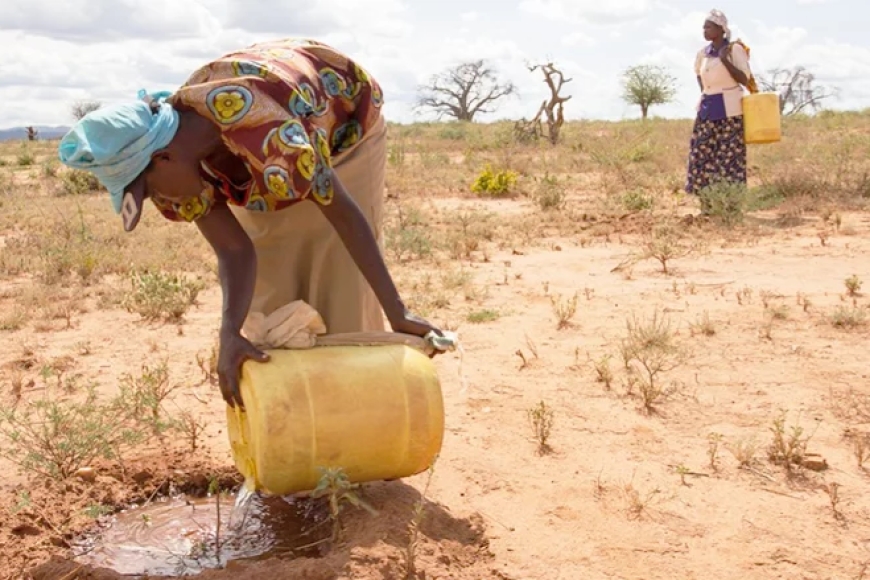
The Coming Food Catastrophe in East Africa by 2050

A new scientific review warns that climate change, combined with rapid population growth, could significantly worsen food insecurity in East Africa over the coming decades, particularly in Ethiopia, Kenya, and Uganda.
Researchers say rising temperatures, shifting rainfall patterns, and steadily growing food demand may create widening gaps between what these countries can produce and what their populations will need.
The study, published by Springer Nature, projects that regional temperatures could rise by roughly 1.8–3.0°C by mid-century. That level of warming is expected to cut cereal crop yields by between 13% and 22%. Uganda could experience the largest production losses, while Ethiopia may see the fastest temperature increases.
These changes would hit staple crops such as maize, wheat, and sorghum especially hard crops that millions of people rely on every day. Even relatively small declines in harvests can have outsized effects in countries where food systems are already under pressure.
At the same time, population growth is accelerating. By 2050, Ethiopia’s population could reach around 230 million, while Kenya and Uganda may grow to approximately 93 million and 109 million people, respectively. More people mean greater demand for staple foods, particularly cereals. Researchers estimate cereal requirements could rise to about 50.6 million tons in Ethiopia and roughly 23 million tons each in Kenya and Uganda.
Even if agricultural productivity improves modestly, the study suggests that major food deficits are still likely. By mid-century, cereal shortages could reach about 21% in Ethiopia, 71% in Kenya, and 60% in Uganda. Without stronger adaptation measures, the region may face heavier reliance on food imports, rising prices, and increasing risks of malnutrition.
Climate change is not a distant threat; it is already reshaping agriculture across East Africa. More frequent droughts, floods, heat waves, and pest outbreaks are damaging crops and livestock. Because much of the region’s farming depends on rainfall rather than irrigation, food production remains highly vulnerable to weather shocks. Ongoing conflicts, economic instability, weak infrastructure, and persistent poverty further limit access to food, even when supplies are available.
The consequences extend well beyond hunger. Food shortages increase rates of undernutrition, child stunting, and micronutrient deficiencies. Malnutrition weakens immune systems, placing additional strain on health systems and increasing vulnerability to disease. Economically, higher food prices can push more families into poverty, reduce productivity, and force governments to divert funds toward emergency food imports instead of long-term development.
Researchers describe climate change as a “risk multiplier.” Rising temperatures do not only reduce rainfall in some areas, they also intensify heat stress on crops, accelerate plant growth cycles, and worsen pest and disease outbreaks. These overlapping pressures can depress yields even in places where annual rainfall appears relatively stable.
Risks to Stability and Social Cohesion
Beyond its economic and health impacts, a deepening food crisis could also strain social cohesion and heighten the risk of conflict. When food becomes scarce or unaffordable, tensions can rise between communities, particularly in areas where pastoralists and farmers compete over land and water resources. Scarcity may intensify disputes over grazing routes, farmland boundaries, or access to water sources.
Urban areas are not immune either. Sharp increases in food prices can trigger public frustration, protests, or unrest, especially among young populations already facing unemployment and limited economic opportunities. If certain regions or groups are perceived to receive more assistance than others, grievances may grow, further weakening trust in institutions.
In this way, food insecurity can act as both a humanitarian and a security challenge. It can deepen existing inequalities, fuel migration from rural to urban areas, and place additional stress on fragile governance systems. Without inclusive policies and coordinated responses, climate-related food shortages could erode the social fabric that holds communities together.
Building Resilience
Despite the worrying outlook, the study also points to practical solutions. Investing in climate-resilient agriculture is essential. This includes developing drought-tolerant crop varieties, expanding irrigation and improving water management, strengthening early warning systems for extreme weather, and promoting more diversified farming systems. Better storage, transportation, and food distribution infrastructure could reduce post-harvest losses and improve food access.
Regional cooperation will also be critical. Shared climate data, coordinated food reserves, and joint adaptation strategies could help countries respond more effectively to shocks. Integrating nutrition and health policies with agricultural planning can ensure that the most vulnerable populations are protected.
Overall, the findings suggest that without urgent action, climate change and demographic pressures could push millions more people in East Africa into food insecurity by 2050. Yet the future is not predetermined. With targeted investments, stronger institutions, and coordinated policies, the region still has an opportunity to build more resilient food systems, and in doing so, safeguard both livelihoods and social stability.