 English
 Kinyarwanda
UN Reports 600 Summary Executions and 450 Cases of Sexual Violence in DR Congo
The humanitarian and human rights situation in the Democratic Republic of the Congo is rapidly deteriorating, with civilians caught in what the United Nations describes as a complex web of conflict, armed violence, and political instability.
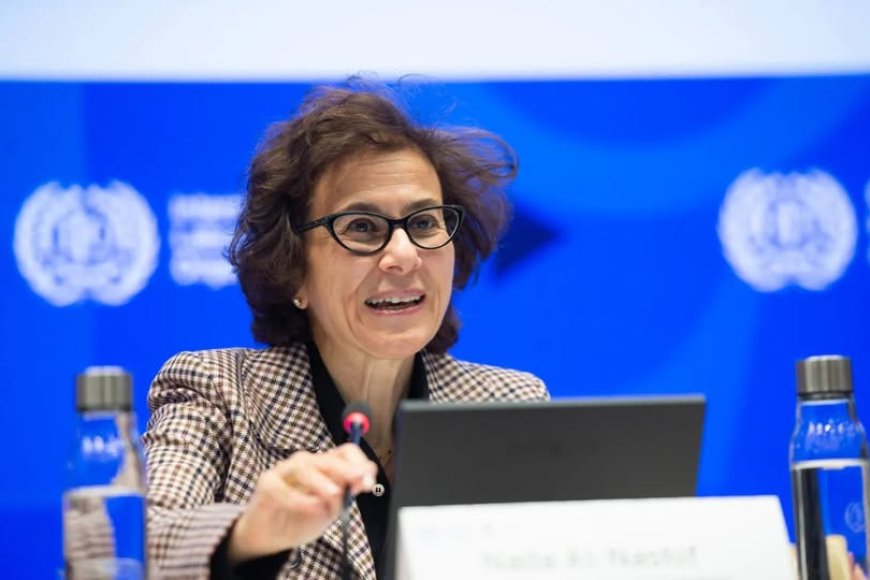
Addressing the United Nations Human Rights Council, Deputy High Commissioner Nada Al-Nashif warned that while diplomatic efforts toward peace are ongoing, the situation on the ground continues to worsen dramatically.
According to the UN, eastern Congo remains the epicenter of violence, with multiple armed groups operating across the region. These include the March 23 Movement, the Allied Democratic Forces, and CODECO militias, alongside clashes involving Congolese forces and allied Wazalendo fighters.
Between October 2025 and February 2026, the UN documented more than 2,500 human rights violations affecting over 6,700 people, figures believed to be an undercount. Provinces such as North Kivu, South Kivu, Ituri, and Maniema have been hardest hit.
The ADF alone has reportedly killed more than 260 people in recent months, while abducting civilians and subjecting women and girls to sexual slavery.
The report highlights a sharp escalation in fighting in South Kivu, where clashes between armed coalitions have led to widespread abuses.
The use of heavy weaponry, including drones and artillery, has intensified, particularly in populated areas. In February alone, conflict monitors recorded a record number of drone and airstrikes.
A recent strike in Goma killed a UNICEF staff member and others, underscoring the growing risks faced by both civilians and humanitarian workers.
Widespread Abuses and Sexual Violence
The UN documented around 600 summary executions over the five-month period, along with nearly 1,500 abductions and over 1,200 cases of torture, rape, and other forms of violence.
Sexual violence remains a pervasive weapon of war. At least 450 cases of gender-based violence have been recorded, Since October 2025, with children increasingly among the victims.
While armed groups are responsible for most abuses, the UN noted that Congolese state forces account for more than a quarter of violations and over a third of sexual violence cases.
Rising Hate Speech and Displacement
Al-Nashif also raised alarm over increasing hate speech, particularly targeting Congolese Tutsis in eastern regions, amid accusations of links to armed groups.
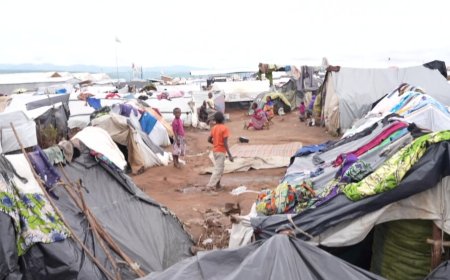
Meanwhile, intercommunal violence in western Congo between Teke and Yaka communities has displaced at least 146,000 people, adding to a nationwide crisis that has already forced more than eight million people from their homes.
Across the country, over 26 million people are facing acute hunger, with children disproportionately affected by chronic malnutrition.
The UN warned that civic freedoms are under threat, with journalists, opposition members, and human rights defenders facing arrests, harassment, and detention.
Dozens of opposition figures have been detained in recent months, while others have reportedly disappeared. The National Cyber Defence Council has also been accused of arbitrarily detaining critics, often in unofficial locations and without legal access.
Calls for Urgent Action
Despite ongoing peace initiatives, including talks in Doha and Washington, the UN cautioned that progress has yet to translate into real improvements for civilians.
Al-Nashif called on all parties to immediately cease hostilities, respect international law, and prioritize civilian protection. She also urged Rwanda to withdraw its forces from Congolese territory and end support for armed groups.
At the same time, Congolese authorities were pressed to halt repression, release those arbitrarily detained, and uphold fundamental rights.
“Lasting peace is impossible without human rights,” Al-Nashif said, emphasizing the need for accountability, justice, and meaningful inclusion of affected communities in peace efforts.
Funding Constraints Hindering Response
The UN also warned that financial constraints are limiting its ability to investigate abuses and support victims. Initiatives, ncluding the deployment of forensic experts and the functioning of a UN-mandated commission of inquiryremain underfunded.
Without increased support, the organization cautioned, efforts to document violations and advance accountability will remain severely restricted.
Al-Nashif called for urgent and coordinated international action to address what she described as a “Gordian knot” of crises.
Despite the challenges, she noted that the DRC holds significant potential, particularly through its young population. However, unlocking that future will depend on restoring peace, stability, and respect for human rights.
“As negotiations continue,” she said, “people cannot wait.”