
Why Rwanda Needs Family-based Approach to Preparing Inmates for Release

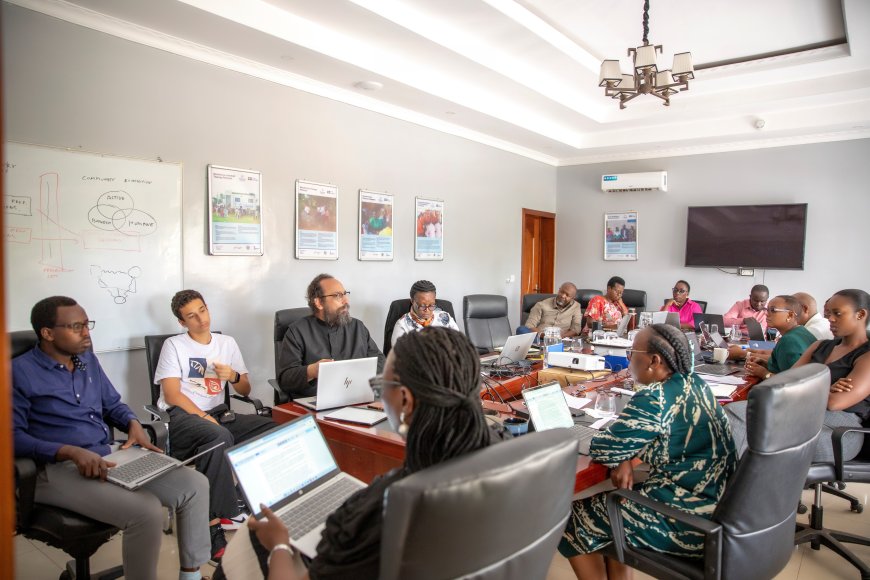
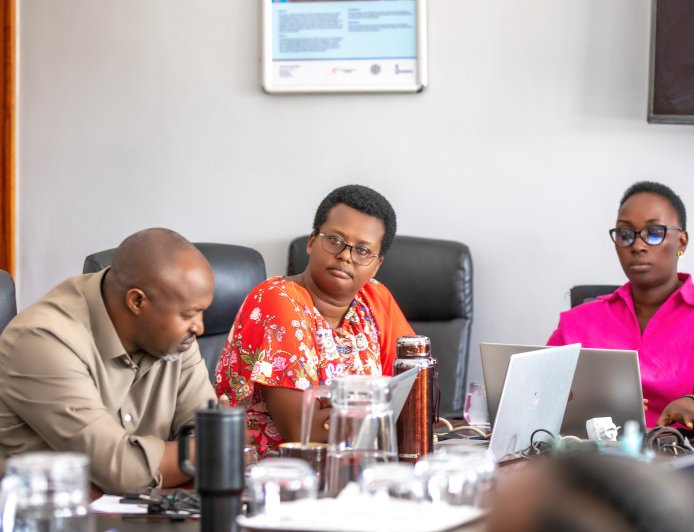
Participants from government institutions and civil society organisations attended the training workshop that took place in Kigali. Photo: Interpeace.

Why Rwanda Needs Family-based Approach to Preparing Inmates for Release

Jul 28, 2026 - 10:56
 0

I recently attended a workshop on inmate rehabilitation and reintegration organised by organisations working alongside the Government of Rwanda through the Ministry of National Unity and Civic Engagement (MINUBUMWE), the Rwanda Correctional Service (RCS) and other partners. The discussions centred on a new family-based approach to preparing inmates for life after prison.


As I listened, one thought stayed with me: rehabilitation does not end at the prison gate. It begins long before release and continues when an inmate returns to a family and community that may still carry deep emotional wounds. Those wounds often manifest as grief, shame, guilt, fear or unresolved trauma, making reintegration far more than an individual journey.

In some cases, the challenge is even greater. Released inmates return to the very families they once harmed, where their crimes may have claimed the lives of relatives or permanently altered family relationships. Rebuilding trust under such circumstances is extraordinarily difficult. Without careful preparation and sustained support, both families and returning inmates may struggle to cope, increasing the risk of rejection, family conflict and recidivism.

Rwanda has made remarkable progress in rehabilitating and reintegrating former inmates, particularly those convicted of genocide crimes. Few countries have faced a challenge as complex as rebuilding communities where perpetrators and survivors must once again live side by side. The 1994 Genocide against the Tutsi was often described as a genocide of proximity, meaning that many released inmates return to the very communities where their crimes were committed.

Over the years, the Government and its partners have introduced important initiatives to prepare inmates for that difficult journey. Ingando – reintegration camps helped many released prisoners rebuild confidence before returning home. Faith-based organisations, including Prison Fellowship Rwanda and the Catholic Church, have supported rehabilitation through counselling, forgiveness and reconciliation programmes.

More recently, Sociotherapy was introduced in correctional facilities to help inmates heal emotionally, rebuild trust and strengthen the social skills needed to reconnect with their families.

In 2025, MINUBUMWE also launched a reintegration programme that equips genocide convicts nearing release with psychosocial support, civic education and life skills. Thousands have already benefited.

In Septmber 2025, RCS launched the first halfway home Social Reintegration Centre. A facility designed to help inmates nearing the end of their sentences transition back into society.

These initiatives deserve recognition. They have laid an important foundation for reconciliation and social cohesion.

Yet one critical gap remains.

Most rehabilitation programmes focus primarily on preparing inmates, while families receive little structured support before their loved ones return home. In many cases, relatives are involved only shortly before release, leaving little opportunity to process emotions, discuss expectations or prepare for the challenges of living together again.

This matters because reintegration is not an individual process; it is a family and community process.

Years in correctional facility often leave inmates disconnected from rapidly changing family dynamics and social realities. They also experience mental health conditions stemming from long life in custody and the crimes they committed. At the same time, families may still be carrying trauma, shame, anger or uncertainty. Young relatives who were born after the genocide or the imprisonment of a parent or grandparent may be meeting them for the first time. Without adequate preparation, both sides can struggle, increasing the risk of family conflict, isolation and unsuccessful reintegration.

A family-based approach addresses this challenge by preparing both inmates and their families through structured sessions before release. It creates space for honest conversations, emotional healing and rebuilding trust while helping families and inmates develop a shared reintegration plan.

The Family-Based Pathways to Inmate Reintegration (FBPR) Curriculum was developed by Interpeace in partnership with the Centre for Sustainable Peace and Democratic Development (SeeD), with support from the European Delegation to Rwanda, and is the first initiative of its kind to be implemented in Rwanda.

It identifies the support each inmate or family may need, whether psychosocial care, health services, livelihoods support or community assistance. Rather than waiting until problems emerge after release, support systems are mapped in advance.
The model also recognises that communities need preparation. Trained reintegration mentors, based in community, can work with families before release, act as a bridge between inmates and local support services, and continue providing follow-up once the inmate returns home. This continuity is essential because reintegration is a process, not a single event.

In practice, separate support sessions would be organised for inmates and their families before release. The number of sessions would depend on the level of need, the severity of any mental health distress they are experiencing, and their readiness to reconnect. These individual sessions would then be followed by family convergence sessions, bringing inmates and their families together in a safe and supportive environment. These meetings would provide an opportunity to rebuild trust before release, develop a joint reintegration plan, and agree on individual and shared expectations and boundaries.

One week after release, another family convergence session would be held to assess how reintegration is progressing, reflect on what is working well and what challenges remain, and identify practical, sustainable solutions together. A follow-up session three months later would review the implementation of the reintegration plan, address any emerging issues, and reinforce the family's progress towards long-term stability and healing.

If implemented effectively, a family-based approach could significantly reduce the psychological burden placed on receiving families. It would ease tensions, strengthen family resilience and improve the chances that former inmates rebuild their lives in ways that contribute positively to society rather than deepen existing divisions.

Its success, however, will depend on strong coordination. Rwanda already has an institutional culture that values collaboration, and this should remain one of the country's greatest strengths. RCS, MINUBUMWE, the Ministry of Health, the Ministry of Local Government (MINALOC), local government entities and civil society organisations each have a role to play in ensuring that psychosocial services, social protection and community support work together rather than in isolation.

No single programme can solve every reintegration challenge. But a family-based approach fills an important gap by recognising a simple truth: when families are prepared, communities are stronger, and reconciliation becomes more sustainable.

For Rwanda, where peace, social cohesion and unity remain an ongoing national journey, investing in families is not simply another rehabilitation strategy. It is an investment in lasting reconciliation, resilient communities and a future where reintegration truly begins at home.


The author is a Global Communications Officer at Interpeace, with a strong commitment to advancing peacebuilding and social cohesion.
Why Rwanda Needs Family-based Approach to Preparing Inmates for Release

Jul 28, 2026 - 10:56
Jul 28, 2026 - 11:01
 0
Why Rwanda Needs Family-based Approach to Preparing Inmates for Release
Participants from government institutions and civil society organisations attended the training workshop that took place in Kigali. Photo: Interpeace.

I recently attended a workshop on inmate rehabilitation and reintegration organised by organisations working alongside the Government of Rwanda through the Ministry of National Unity and Civic Engagement (MINUBUMWE), the Rwanda Correctional Service (RCS) and other partners. The discussions centred on a new family-based approach to preparing inmates for life after prison.


As I listened, one thought stayed with me: rehabilitation does not end at the prison gate. It begins long before release and continues when an inmate returns to a family and community that may still carry deep emotional wounds. Those wounds often manifest as grief, shame, guilt, fear or unresolved trauma, making reintegration far more than an individual journey.

In some cases, the challenge is even greater. Released inmates return to the very families they once harmed, where their crimes may have claimed the lives of relatives or permanently altered family relationships. Rebuilding trust under such circumstances is extraordinarily difficult. Without careful preparation and sustained support, both families and returning inmates may struggle to cope, increasing the risk of rejection, family conflict and recidivism.

Rwanda has made remarkable progress in rehabilitating and reintegrating former inmates, particularly those convicted of genocide crimes. Few countries have faced a challenge as complex as rebuilding communities where perpetrators and survivors must once again live side by side. The 1994 Genocide against the Tutsi was often described as a genocide of proximity, meaning that many released inmates return to the very communities where their crimes were committed.

Over the years, the Government and its partners have introduced important initiatives to prepare inmates for that difficult journey. Ingando – reintegration camps helped many released prisoners rebuild confidence before returning home. Faith-based organisations, including Prison Fellowship Rwanda and the Catholic Church, have supported rehabilitation through counselling, forgiveness and reconciliation programmes.

More recently, Sociotherapy was introduced in correctional facilities to help inmates heal emotionally, rebuild trust and strengthen the social skills needed to reconnect with their families.

In 2025, MINUBUMWE also launched a reintegration programme that equips genocide convicts nearing release with psychosocial support, civic education and life skills. Thousands have already benefited.

In Septmber 2025, RCS launched the first halfway home Social Reintegration Centre. A facility designed to help inmates nearing the end of their sentences transition back into society.

These initiatives deserve recognition. They have laid an important foundation for reconciliation and social cohesion.

Yet one critical gap remains.

Most rehabilitation programmes focus primarily on preparing inmates, while families receive little structured support before their loved ones return home. In many cases, relatives are involved only shortly before release, leaving little opportunity to process emotions, discuss expectations or prepare for the challenges of living together again.

This matters because reintegration is not an individual process; it is a family and community process.

Years in correctional facility often leave inmates disconnected from rapidly changing family dynamics and social realities. They also experience mental health conditions stemming from long life in custody and the crimes they committed. At the same time, families may still be carrying trauma, shame, anger or uncertainty. Young relatives who were born after the genocide or the imprisonment of a parent or grandparent may be meeting them for the first time. Without adequate preparation, both sides can struggle, increasing the risk of family conflict, isolation and unsuccessful reintegration.

A family-based approach addresses this challenge by preparing both inmates and their families through structured sessions before release. It creates space for honest conversations, emotional healing and rebuilding trust while helping families and inmates develop a shared reintegration plan.

The Family-Based Pathways to Inmate Reintegration (FBPR) Curriculum was developed by Interpeace in partnership with the Centre for Sustainable Peace and Democratic Development (SeeD), with support from the European Delegation to Rwanda, and is the first initiative of its kind to be implemented in Rwanda.

It identifies the support each inmate or family may need, whether psychosocial care, health services, livelihoods support or community assistance. Rather than waiting until problems emerge after release, support systems are mapped in advance.

The model also recognises that communities need preparation. Trained reintegration mentors, based in community, can work with families before release, act as a bridge between inmates and local support services, and continue providing follow-up once the inmate returns home. This continuity is essential because reintegration is a process, not a single event.

In practice, separate support sessions would be organised for inmates and their families before release. The number of sessions would depend on the level of need, the severity of any mental health distress they are experiencing, and their readiness to reconnect. These individual sessions would then be followed by family convergence sessions, bringing inmates and their families together in a safe and supportive environment. These meetings would provide an opportunity to rebuild trust before release, develop a joint reintegration plan, and agree on individual and shared expectations and boundaries.

One week after release, another family convergence session would be held to assess how reintegration is progressing, reflect on what is working well and what challenges remain, and identify practical, sustainable solutions together. A follow-up session three months later would review the implementation of the reintegration plan, address any emerging issues, and reinforce the family's progress towards long-term stability and healing.

If implemented effectively, a family-based approach could significantly reduce the psychological burden placed on receiving families. It would ease tensions, strengthen family resilience and improve the chances that former inmates rebuild their lives in ways that contribute positively to society rather than deepen existing divisions.

Its success, however, will depend on strong coordination. Rwanda already has an institutional culture that values collaboration, and this should remain one of the country's greatest strengths. RCS, MINUBUMWE, the Ministry of Health, the Ministry of Local Government (MINALOC), local government entities and civil society organisations each have a role to play in ensuring that psychosocial services, social protection and community support work together rather than in isolation.

No single programme can solve every reintegration challenge. But a family-based approach fills an important gap by recognising a simple truth: when families are prepared, communities are stronger, and reconciliation becomes more sustainable.

For Rwanda, where peace, social cohesion and unity remain an ongoing national journey, investing in families is not simply another rehabilitation strategy. It is an investment in lasting reconciliation, resilient communities and a future where reintegration truly begins at home.


The author is a Global Communications Officer at Interpeace, with a strong commitment to advancing peacebuilding and social cohesion.