 English
 Kinyarwanda
Cabo Delgado at a Crossroads: What Rwanda’s Possible Withdrawal Could Mean for a Fragile Peace
The prospect of Rwanda withdrawing its troops from northern Mozambique is raising urgent questions about the future of Cabo Delgado — and whether the fragile gains made in recent years can hold.
For many communities in the conflict-affected province, the presence of the Rwanda Defence Force (RDF) has meant a return to something resembling normal life. Markets have reopened, families have cautiously returned home, and major economic projects, including a large liquefied natural gas development led by TotalEnergies — have resumed after years of disruption.
Yet that progress now hangs in the balance. Rwanda has signaled it could pull out its forces if sustainable funding is not secured, as financial support from the European Union is set to expire in the coming months. Officials in Kigali argue that the burden of stabilizing Cabo Delgado has fallen disproportionately on Rwanda, financially and in human cost, and cannot continue indefinitely without stronger backing.
But beyond funding concerns, analysts say this moment reflects deeper and more complex dynamics.
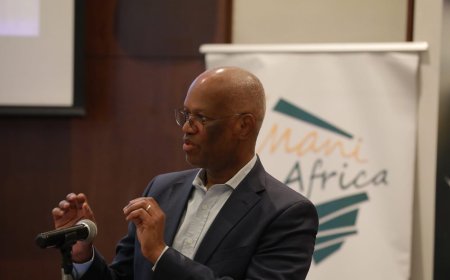
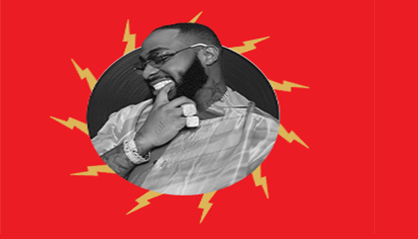
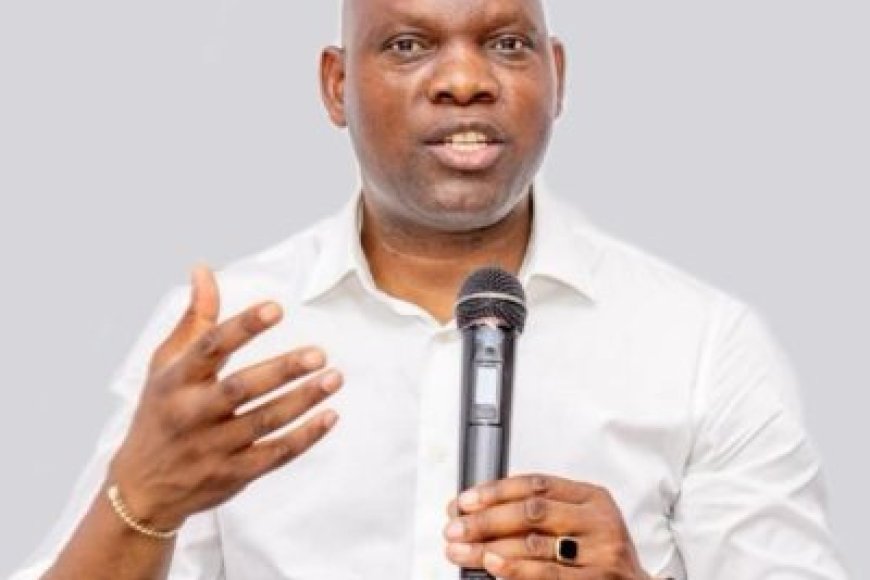
Prof. Adriano Nuvunga, a Civic leader, academic, and human rights advocate and director of Center for Democracy and Human Rights (CDD), warns that withdrawal of Rwanda troops at the moment poses very serious risks as the insurgency has never fully disappeared.
A withdrawal, he warns, “could create a dangerous vacuum.” Without a strong and coordinated security presence, insurgent groups could regain mobility, threatening civilians and critical infrastructure once again and threaten the lives of civilians and communities that have only just begun to rebuild.
Attacks continue sporadically, underscoring a deeper crisis rooted not only in security but also in governance, inequality and long-standing local grievances. “The crisis in Cabo Delgado is far deeper than a military problem,” he notes, a reality that raises concerns about what might follow if Rwandan troops leave.
He also pointed out that focusing solely on troop numbers risks missing the bigger picture. “The future of Cabo Delgado is not simply a question of troops on the ground,” he argues. “It sits at the intersection of geopolitics, donor financing, energy security and regional power dynamics.”
At the same time, Nuvunga suggests the withdrawal warning may carry strategic intent.
It could be aimed at international donors, particularly the European Union, as a signal to renegotiate funding arrangements. It may also reflect broader geopolitical pressures, including recent sanctions by the United States related to tensions in the Democratic Republic of the Congo.
Since 2021, Rwandan forces have played a central role in pushing back an insurgency linked to the so-called Islamic State, particularly in key areas such as Palma and Mocímboa da Praia. Their deployment, requested by Maputo, helped restore a degree of stability in areas that had been gripped by violence and массовое displacement.
The message, Nuvunga argues, may be directed at Mozambique itself, a reminder that long-term stability cannot depend indefinitely on external military support. Instead, Maputo may need to assume greater responsibility, both politically and financially, for addressing insecurity in Cabo Delgado.
For its part, Rwanda insists its mission has never been primarily about money.
Officials emphasise that their forces deployed in solidarity with a “brotherly African country” and have made significant sacrifices in the process. But they also stress that continued engagement requires recognition, partnership and predictable support.
Caught between these competing pressures are the people of Cabo Delgado.
For them, the debate is not about geopolitics or funding mechanisms, but about safety, returning and the possibility of a future free from fear.
Nuvunga suggests that understanding what comes next requires looking beyond the battlefield, to the political decisions, international partnerships and economic interests that will ultimately shape the province’s future.
Whether Cabo Delgado moves toward lasting peace or slips back into insecurity may depend not only on whether Rwanda stays or goes, but on how all actors, local, regional and global, respond to this pivotal moment.