
Four Major Threat Scenarios Emerging from Joint US–Israel Strikes on Iran

Photo: Aljazeera

Four Major Threat Scenarios Emerging from Joint US–Israel Strikes on Iran

Mar 1, 2026 - 01:57
 0

The Washington-based Counter Threat Centre has identified four key threat scenarios that could emerge from the US–Israel joint air strikes on Iran, outlining potential trajectories of escalation and regional impact


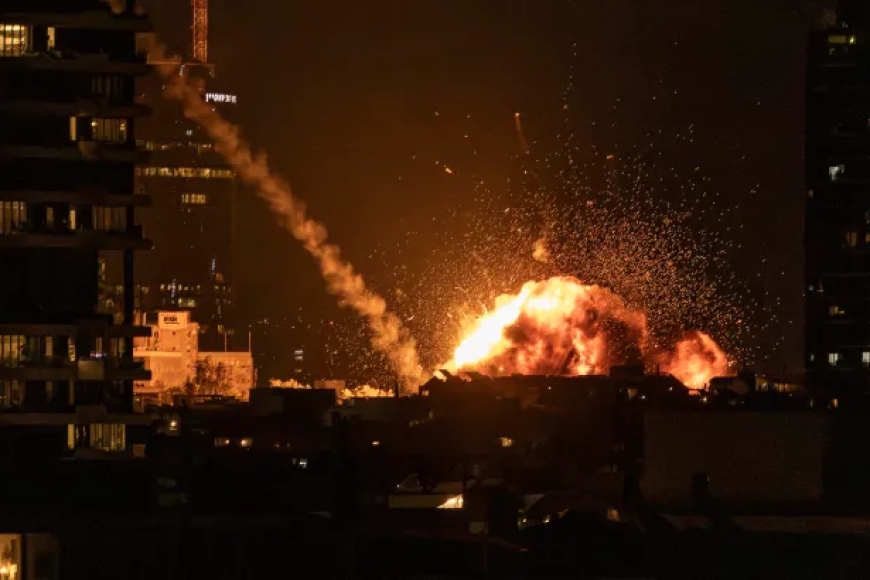
A series of coordinated US and Israeli military strikes has been ongoing against multiple Iranian targets, starting in the early hours this morning. The strikes appear to be targeting Iranian leadership, following the reported breakdown of diplomatic talks between the US and Iran held on February 26, where discussions reportedly focused on nuclear program limitations and sanctions relief but ended without progress.

What is the current threat:

  • Joint US/Israel airstrikes on Tehran will almost certainly lead to Iranian proxies’ involvement across the Middle East. In response to these strikes, Hezbollah, Hamas, and the Houthis will very likely join counterreaction efforts, likely targeting Israel's leadership and defence infrastructure through retaliatory strikes. The potential destabilization of Iran due to Israel’s military operations will likely lead to other Iranian military proxies conducting attacks across Israel. The increased tit-for-tat strikes will likely lead to a multi-front escalation, likely resulting in a large-scale regional crisis.
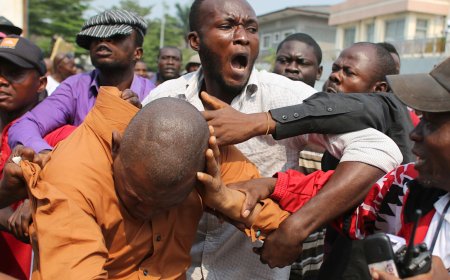
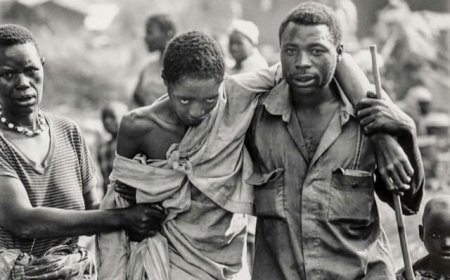
  • Airstrikes on central Tehran will almost certainly impact critical infrastructure, including schools and hospitals, very likely increasing injuries and displacement among residents. These strikes will very likely force evacuations to the city outskirts, almost certainly overloading public transport, and increasing confusion, likely leading to stampede-like situations and casualties. The impact on public transport will very likely reduce accessibility for emergency response services to critically impacted areas. The multiple impacted sites will very likely strain emergency aid delivery on the ground and in hospitals. The lack of access to emergency care and hospitals will likely force citizens to seek assistance in neighbouring countries, saturating regional medical capabilities.
  • US/Israeli airstrikes on Tehran will very likely expose US nationals to retaliatory attacks, including opportunistic violence and detentions. The targeting of US civilians will very likely disrupt evacuation routes and prevent efficient repatriation planning. Security forces will likely target US nationals to gain bargaining leverage in potential de-escalation negotiations, increasing the likelihood of hostage-taking situations through targeting areas with a high concentration of US nationals. Iran will likely enforce limited communication should any American citizens be captured or detained, likely to reduce international awareness and backlash.  
  • This escalation will likely increase the speculation over the potential involvement of Reza Pahlavi. His return in the short term to lead a transitional government will unlikely happen, given the entrenched control of the Islamic Revolutionary Guard Corps (IRGC) and the uncertain time of the regime’s fall. In the long term, sustained military pressure, economic deterioration, and potential internal fragmentation will likely increase the probability that opposition figures, such as Pahlavi, will reemerge as suitable candidates, particularly if internal regime cohesion continues to weaken and the population seek for a unifying post-republic framework for the country.

Who will it directly impact: Iranian leadership, Iranian government, Iranian emergency services, Iranian medical responders, Tehran residents, Iranian civilians, Israeli government, Israeli Defence Forces (IDF), Israeli Air Force (IAF), Israeli citizens, US government, US military personnel, US citizens in Tehran, US bases in Qatar, US bases in Kuwait, US bases in Doha, Qatar citizens, Bahrain citizens, Kuwait citizens and Doha residents.

 

Four Major Threat Scenarios Emerging from Joint US–Israel Strikes on Iran

Mar 1, 2026 - 01:57
 0
Four Major Threat Scenarios Emerging from Joint US–Israel Strikes on Iran
Photo: Aljazeera

The Washington-based Counter Threat Centre has identified four key threat scenarios that could emerge from the US–Israel joint air strikes on Iran, outlining potential trajectories of escalation and regional impact


A series of coordinated US and Israeli military strikes has been ongoing against multiple Iranian targets, starting in the early hours this morning. The strikes appear to be targeting Iranian leadership, following the reported breakdown of diplomatic talks between the US and Iran held on February 26, where discussions reportedly focused on nuclear program limitations and sanctions relief but ended without progress.

What is the current threat:

  • Joint US/Israel airstrikes on Tehran will almost certainly lead to Iranian proxies’ involvement across the Middle East. In response to these strikes, Hezbollah, Hamas, and the Houthis will very likely join counterreaction efforts, likely targeting Israel's leadership and defence infrastructure through retaliatory strikes. The potential destabilization of Iran due to Israel’s military operations will likely lead to other Iranian military proxies conducting attacks across Israel. The increased tit-for-tat strikes will likely lead to a multi-front escalation, likely resulting in a large-scale regional crisis.
  • Airstrikes on central Tehran will almost certainly impact critical infrastructure, including schools and hospitals, very likely increasing injuries and displacement among residents. These strikes will very likely force evacuations to the city outskirts, almost certainly overloading public transport, and increasing confusion, likely leading to stampede-like situations and casualties. The impact on public transport will very likely reduce accessibility for emergency response services to critically impacted areas. The multiple impacted sites will very likely strain emergency aid delivery on the ground and in hospitals. The lack of access to emergency care and hospitals will likely force citizens to seek assistance in neighbouring countries, saturating regional medical capabilities.
  • US/Israeli airstrikes on Tehran will very likely expose US nationals to retaliatory attacks, including opportunistic violence and detentions. The targeting of US civilians will very likely disrupt evacuation routes and prevent efficient repatriation planning. Security forces will likely target US nationals to gain bargaining leverage in potential de-escalation negotiations, increasing the likelihood of hostage-taking situations through targeting areas with a high concentration of US nationals. Iran will likely enforce limited communication should any American citizens be captured or detained, likely to reduce international awareness and backlash.  
  • This escalation will likely increase the speculation over the potential involvement of Reza Pahlavi. His return in the short term to lead a transitional government will unlikely happen, given the entrenched control of the Islamic Revolutionary Guard Corps (IRGC) and the uncertain time of the regime’s fall. In the long term, sustained military pressure, economic deterioration, and potential internal fragmentation will likely increase the probability that opposition figures, such as Pahlavi, will reemerge as suitable candidates, particularly if internal regime cohesion continues to weaken and the population seek for a unifying post-republic framework for the country.

Who will it directly impact: Iranian leadership, Iranian government, Iranian emergency services, Iranian medical responders, Tehran residents, Iranian civilians, Israeli government, Israeli Defence Forces (IDF), Israeli Air Force (IAF), Israeli citizens, US government, US military personnel, US citizens in Tehran, US bases in Qatar, US bases in Kuwait, US bases in Doha, Qatar citizens, Bahrain citizens, Kuwait citizens and Doha residents.