
Trump’s Deal-Making Has Brought Pauses in War, Not Peace –  ICG
Trump’s Deal-Making Has Brought Pauses in War, Not Peace – ICG

Jan 5, 2026 - 20:52
 0

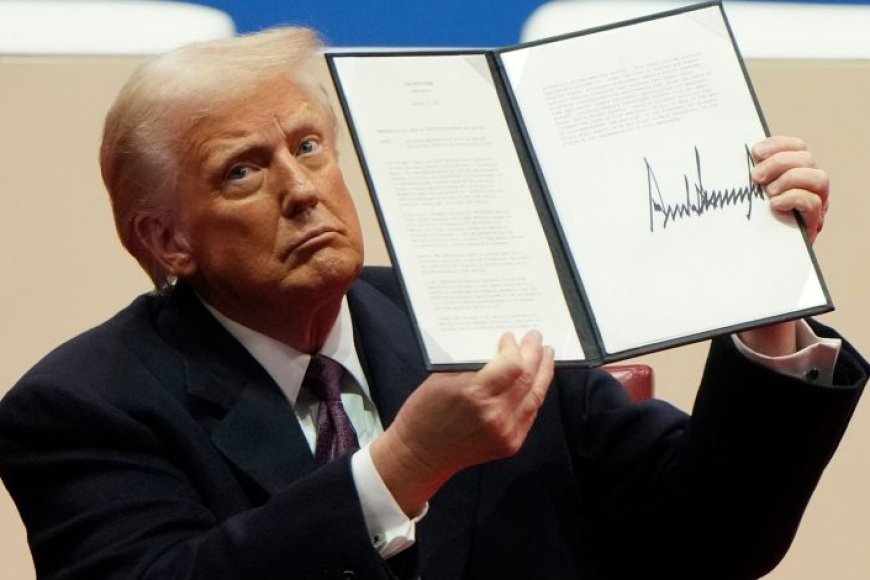
The International Crisis Group (ICG) is deeply skeptical that U.S. President Donald Trump’s second-term approach to peacemaking can deliver durable peace, arguing that while his deal-driven diplomacy has produced short-term ceasefires, it has failed to calm global turmoil, and in some cases has intensified it.


In an assessment of a world entering 2026 amid escalating violence, the organisation notes that major conflicts have raged or reignited across Ukraine, Sudan, Myanmar, the Sahel, Haiti and the Middle East, while clashes have spread from South Asia to Southeast Asia and Central Africa. Against this backdrop, Trump returned to office promising to “bring peace to a world ablaze” and placing himself “centre stage in many wars and trouble spots.”

Yet, ICG concludes bluntly: “Trump has not calmed the global turmoil he decried on the campaign trail.”

ICG acknowledges that Trump’s unconventional style can sometimes be an asset. It points to moves few other U.S. leaders would have attempted, such as engaging Syria’s new president Ahmed al-Sharaa while he was still designated a terrorist by Washington, and rapidly offering sanctions relief. Trump’s envoys, often personal confidants, can “act fast and take risks.”

However, ICG warns that unorthodoxy often shades into inexperience. It argues that a diplomatic opportunity to constrain Iran’s nuclear programme narrowed partly because the administration “had not worked out red lines in advance,” even before Israeli strikes. Similarly, U.S. shuttle diplomacy between Russia and Ukraine has been marred by “confusion, politically motivated leaks, and suspicion in Kyiv and European capitals about Trump’s intentions,” raising the risk that any opening for a negotiated settlement could be squandered.

Deals without resolution

Trump’s hunger for quick agreements, the analysis says, has produced deals that are frequently presented as peace accords. Ceasefires or framework agreements in Gaza, eastern Congo and along the Cambodia-Thailand border “should be seen for what they are”: temporary arrangements that leave core disputes unresolved and “often relegate the hard work to others.”

The Crisis Group stresses that this is not uniquely Trump’s failure. Comprehensive peace agreements have been elusive globally for years, as belligerents hesitate to compromise in a volatile geopolitical environment. In that sense, incremental truces may be the only realistic path forward in some conflicts.

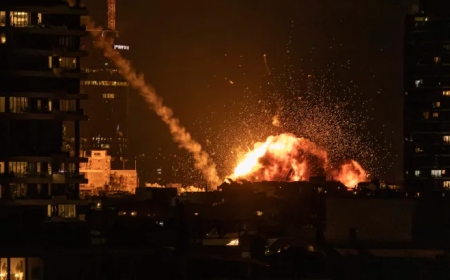
But the danger, ICG warns, is that these short-term fixes either collapse or harden into intolerable impasses. The “ugly ceasefire in Gaza,” which leaves Palestinians “crowded in horrendous conditions” under Hamas rule while Israel controls and repeatedly strikes the rest of the territory, is “defensible only as a way station to something better.” Likewise, a deal that leaves Rwandan-backed M23 rebel forces controlling some parts of eastern Congo “cannot be the end point.”

According to ICG, Trump’s deal making strategy relies on exercising U.S. power through pressure, from leveraging Israel’s dependence on Washington to threatening tariffs or dangling business incentives elsewhere. But the organisation argues that U.S. officials overestimate how willing belligerents are to trade what they see as core security interests for economic gain.

More critically, it says Trump “has not used his full leverage with Israel nor elsewhere shown the patience… to turn quick fixes into durable peace.” Nor has his administration built mechanisms to ensure follow-up by other mediators. While countries such as Qatar and Malaysia helped lay the groundwork for recent ceasefires, Washington has shown little interest in coordinating with them, the UN or European partners. Instead, it has “slashed funding for UN agencies and peacekeepers” and largely rejects multilateral cooperation.

Beyond peacemaking, ICG sees Trump’s apparent tilt toward spheres-of-influence politics as even more dangerous. In the Western Hemisphere, the administration has interfered openly in regional politics, carried out “almost certainly unlawful strikes” on alleged drug-running boats, and massed military force near Venezuela, signaling that Washington will “throw its weight around in what it sees as its backyard.”

In Europe, Trump’s disdain for European leaders and his treatment of Ukrainian President Volodymyr Zelenskyy have heightened anxiety at what ICG calls “Europe’s most perilous moment in decades.” While Trump has not yet forced Kyiv into a deal that leaves it exposed to Russian aggression, the organisation warns that U.S. unpredictability, coupled with meddling in European politics, raises the risk of miscalculation.

In Asia, alliances remain formally intact, but trust has eroded. Allies hit by U.S. tariffs fear what Trump might concede to Beijing in a future trade deal. The Crisis Group notes that “it is not hard to imagine Xi seeing in Trump’s push to restore Washington’s regional pre-eminence an invitation for Beijing to do the same in the Asia Pacific,” fueling nuclear anxieties in South Korea and even Japan.

ICG concludes that Trump’s “lawlessness, revisionism and cavalier use of force” risk normalising war as an acceptable tool of statecraft. While many states remain invested in a global order that condemns territorial conquest and mass civilian harm, the organisation warns that Washington’s example could embolden leaders with expansionist ambitions.

“The world was careening into a dangerous new era well before Trump’s return to power,” the Crisis Group writes. “Thus far, his second term has done less to slow things down than to put a foot on the gas.”

Trump’s Deal-Making Has Brought Pauses in War, Not Peace – ICG

Jan 5, 2026 - 20:52
Jan 29, 2026 - 20:52
 0
Trump’s Deal-Making Has Brought Pauses in War, Not Peace –  ICG

The International Crisis Group (ICG) is deeply skeptical that U.S. President Donald Trump’s second-term approach to peacemaking can deliver durable peace, arguing that while his deal-driven diplomacy has produced short-term ceasefires, it has failed to calm global turmoil, and in some cases has intensified it.


In an assessment of a world entering 2026 amid escalating violence, the organisation notes that major conflicts have raged or reignited across Ukraine, Sudan, Myanmar, the Sahel, Haiti and the Middle East, while clashes have spread from South Asia to Southeast Asia and Central Africa. Against this backdrop, Trump returned to office promising to “bring peace to a world ablaze” and placing himself “centre stage in many wars and trouble spots.”

Yet, ICG concludes bluntly: “Trump has not calmed the global turmoil he decried on the campaign trail.”

ICG acknowledges that Trump’s unconventional style can sometimes be an asset. It points to moves few other U.S. leaders would have attempted, such as engaging Syria’s new president Ahmed al-Sharaa while he was still designated a terrorist by Washington, and rapidly offering sanctions relief. Trump’s envoys, often personal confidants, can “act fast and take risks.”

However, ICG warns that unorthodoxy often shades into inexperience. It argues that a diplomatic opportunity to constrain Iran’s nuclear programme narrowed partly because the administration “had not worked out red lines in advance,” even before Israeli strikes. Similarly, U.S. shuttle diplomacy between Russia and Ukraine has been marred by “confusion, politically motivated leaks, and suspicion in Kyiv and European capitals about Trump’s intentions,” raising the risk that any opening for a negotiated settlement could be squandered.

Deals without resolution

Trump’s hunger for quick agreements, the analysis says, has produced deals that are frequently presented as peace accords. Ceasefires or framework agreements in Gaza, eastern Congo and along the Cambodia-Thailand border “should be seen for what they are”: temporary arrangements that leave core disputes unresolved and “often relegate the hard work to others.”

The Crisis Group stresses that this is not uniquely Trump’s failure. Comprehensive peace agreements have been elusive globally for years, as belligerents hesitate to compromise in a volatile geopolitical environment. In that sense, incremental truces may be the only realistic path forward in some conflicts.

But the danger, ICG warns, is that these short-term fixes either collapse or harden into intolerable impasses. The “ugly ceasefire in Gaza,” which leaves Palestinians “crowded in horrendous conditions” under Hamas rule while Israel controls and repeatedly strikes the rest of the territory, is “defensible only as a way station to something better.” Likewise, a deal that leaves Rwandan-backed M23 rebel forces controlling some parts of eastern Congo “cannot be the end point.”

According to ICG, Trump’s deal making strategy relies on exercising U.S. power through pressure, from leveraging Israel’s dependence on Washington to threatening tariffs or dangling business incentives elsewhere. But the organisation argues that U.S. officials overestimate how willing belligerents are to trade what they see as core security interests for economic gain.

More critically, it says Trump “has not used his full leverage with Israel nor elsewhere shown the patience… to turn quick fixes into durable peace.” Nor has his administration built mechanisms to ensure follow-up by other mediators. While countries such as Qatar and Malaysia helped lay the groundwork for recent ceasefires, Washington has shown little interest in coordinating with them, the UN or European partners. Instead, it has “slashed funding for UN agencies and peacekeepers” and largely rejects multilateral cooperation.

Beyond peacemaking, ICG sees Trump’s apparent tilt toward spheres-of-influence politics as even more dangerous. In the Western Hemisphere, the administration has interfered openly in regional politics, carried out “almost certainly unlawful strikes” on alleged drug-running boats, and massed military force near Venezuela, signaling that Washington will “throw its weight around in what it sees as its backyard.”

In Europe, Trump’s disdain for European leaders and his treatment of Ukrainian President Volodymyr Zelenskyy have heightened anxiety at what ICG calls “Europe’s most perilous moment in decades.” While Trump has not yet forced Kyiv into a deal that leaves it exposed to Russian aggression, the organisation warns that U.S. unpredictability, coupled with meddling in European politics, raises the risk of miscalculation.

In Asia, alliances remain formally intact, but trust has eroded. Allies hit by U.S. tariffs fear what Trump might concede to Beijing in a future trade deal. The Crisis Group notes that “it is not hard to imagine Xi seeing in Trump’s push to restore Washington’s regional pre-eminence an invitation for Beijing to do the same in the Asia Pacific,” fueling nuclear anxieties in South Korea and even Japan.

ICG concludes that Trump’s “lawlessness, revisionism and cavalier use of force” risk normalising war as an acceptable tool of statecraft. While many states remain invested in a global order that condemns territorial conquest and mass civilian harm, the organisation warns that Washington’s example could embolden leaders with expansionist ambitions.

“The world was careening into a dangerous new era well before Trump’s return to power,” the Crisis Group writes. “Thus far, his second term has done less to slow things down than to put a foot on the gas.”