
Conflict exacerbates economic crisis in Cameroon

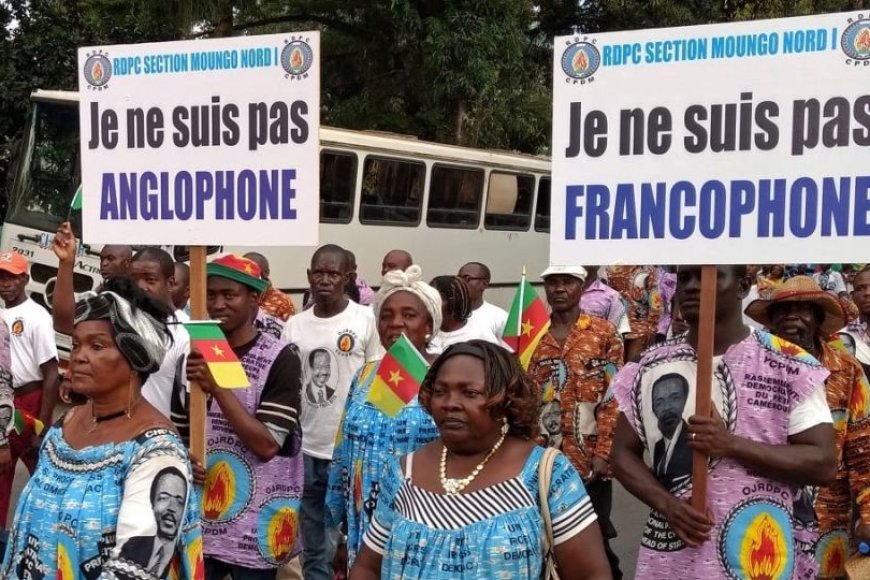
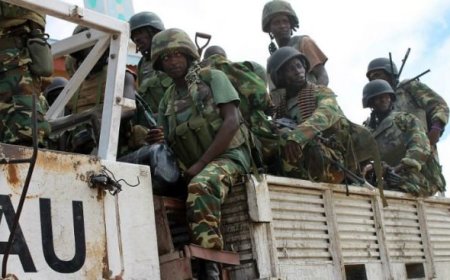
Cameroon conflict escalates. Photo: CajNews

Conflict exacerbates economic crisis in Cameroon

Feb 26, 2026 - 12:18
 0

Cameroon is facing a severe, ongoing armed conflict known as the "Anglophone Crisis", affecting mainly its English-speaking Northwest and Southwest regions, with spillover into the Littoral and West regions, disrupting food security.


The Famine Early Warning Systems Network (FEWS NET) reports that persistent conflict and insecurity continue to disrupt livelihoods and restrict household food availability and access.

Staple grain and bean prices are currently 10 percent to 25 percent higher than last year and 20 percent to 50 percent above the five-year average.

Staple food prices across the country remain elevated, trending moderately to significantly above the five‑year average, driven by reduced supplies from conflict‑affected areas, high transport and fuel costs, and elevated shipping expenses for imported foods.

FEWS NET reports that in January, the average price of imported rice was, CF650 (US$1,17) a kilogram in Yaoundé and Douala, representing an 18 percent to 20 percent increase compared to the last five‑year average. Prices are projected to seasonally increase further during the March-May lean season.

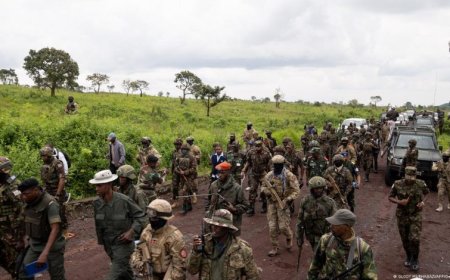
The Armed Conflict Location and Event Data Project (ACLED) data indicates that attacks by Islamist militants against rural communities remained elevated throughout 2025 and have continued into 2026.

The prolonged insurgency continues to severely undermine agricultural and livestock production, which is the primary livelihoods for poor households, further constraining food availability and income-earning opportunities.

Food security outcomes in conflict-affected divisions of the Far North are projected to deteriorate between February and May 2026.

“This decline will be driven by the early depletion of already-limited household food stocks, low household incomes constraining the purchase of staple foods, persistent insecurity, ongoing displacement and weakened coping capacities,” FEWS NET stated.

The agency noted that despite forecasted favorable rainfall, ongoing conflict, escalating violence against civilians and widespread insecurity continued to limit field access in several parts of the Northwest and Southwest regions, limiting cultivation and undermining overall production prospects.

In these regions, separatists are agitating for self-rule, alleging marginalisation of English-speaking communities by the government, dominated by French speakers.

The 2025 re-election of President Paul Biya, for an eighth term in a poll critics say was rigged, has worsened matters in the Central African country of over 30 million people.

Source: CajNews
 

Conflict exacerbates economic crisis in Cameroon

Feb 26, 2026 - 12:18
Feb 26, 2026 - 14:27
 0
Conflict exacerbates economic crisis in Cameroon
Cameroon conflict escalates. Photo: CajNews

Cameroon is facing a severe, ongoing armed conflict known as the "Anglophone Crisis", affecting mainly its English-speaking Northwest and Southwest regions, with spillover into the Littoral and West regions, disrupting food security.


The Famine Early Warning Systems Network (FEWS NET) reports that persistent conflict and insecurity continue to disrupt livelihoods and restrict household food availability and access.

Staple grain and bean prices are currently 10 percent to 25 percent higher than last year and 20 percent to 50 percent above the five-year average.

Staple food prices across the country remain elevated, trending moderately to significantly above the five‑year average, driven by reduced supplies from conflict‑affected areas, high transport and fuel costs, and elevated shipping expenses for imported foods.

FEWS NET reports that in January, the average price of imported rice was, CF650 (US$1,17) a kilogram in Yaoundé and Douala, representing an 18 percent to 20 percent increase compared to the last five‑year average. Prices are projected to seasonally increase further during the March-May lean season.

The Armed Conflict Location and Event Data Project (ACLED) data indicates that attacks by Islamist militants against rural communities remained elevated throughout 2025 and have continued into 2026.

The prolonged insurgency continues to severely undermine agricultural and livestock production, which is the primary livelihoods for poor households, further constraining food availability and income-earning opportunities.

Food security outcomes in conflict-affected divisions of the Far North are projected to deteriorate between February and May 2026.

“This decline will be driven by the early depletion of already-limited household food stocks, low household incomes constraining the purchase of staple foods, persistent insecurity, ongoing displacement and weakened coping capacities,” FEWS NET stated.

The agency noted that despite forecasted favorable rainfall, ongoing conflict, escalating violence against civilians and widespread insecurity continued to limit field access in several parts of the Northwest and Southwest regions, limiting cultivation and undermining overall production prospects.

In these regions, separatists are agitating for self-rule, alleging marginalisation of English-speaking communities by the government, dominated by French speakers.

The 2025 re-election of President Paul Biya, for an eighth term in a poll critics say was rigged, has worsened matters in the Central African country of over 30 million people.

Source: CajNews