
Ethiopia’s domestic and cross-border conflicts surge

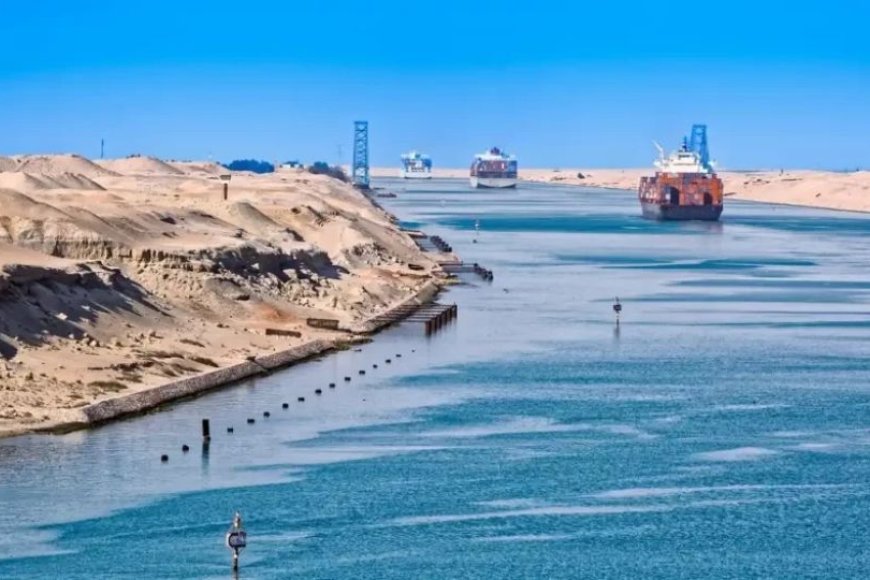
Red sea. Photo: Internet

Ethiopia’s domestic and cross-border conflicts surge

Feb 26, 2026 - 12:00
 0

Ethiopia is on the brink of atrocities on the domestic front and at risk of cross-border conflict with over access to the Red Sea.


Human rights organisations have raised these fears amid ongoing and unresolved conflicts, entrenched impunity and escalating regional dynamics, driving a resurgence of violence and placing civilian populations at grave risk.

Rising tensions between Ethiopia and Eritrea over access to the Red Sea, coupled with increasingly inflammatory rhetoric, largely led by the federal government, are aggravating fears of cross-border escalation.

There is also concern over allegations that Ethiopian authorities are hosting a training facility in Benishangul-Gumuz, for fighters affiliated with Sudan’s Rapid Support Forces (RSF), a paramilitary group widely accused of committing atrocity crimes, including genocide in the Darfur of Sudan, another neighbour.

The facility is reportedly supported financially and logistically by the United Arab Emirates (UAE), which has denied the allegations.

A group of 20 Ethiopian-based human rights organisations have alerted the international community to the crises.

They mentioned violations in some of the hotspots of crises.

In Amhara, renewed clashes between federal forces and ethnic Amhara Fano militias have resulted in escalating civilian harm, including drone and air strikes, unlawful killings, mass detentions, sexual violence and the erosion of basic protections.

In Oromia, fighting between government forces and the Oromo Liberation Army continues, amid widespread reports of extrajudicial killings, mass arrests, property destruction, forced military conscription, enforced disappearances and collective punishment of civilian populations.

Civilians are subjected to arbitrary detention and movement restrictions. Humanitarian access and independent monitoring remain severely constrained.

In Tigray, civilians face ongoing abuses, including arbitrary detention, sexual and gender-based violence, enforced disappearances, continued internal displacement, food insecurity and starvation and severe restrictions on access to essential services.

“Ethiopians are facing a deeply fragile situation, marked by a high risk of renewed and expanded conflict as well as the commission of atrocity crimes,” the organisations stated.

They lamented the continued erosion of the civil space, restrictions on independent reporting and silencing of victims, termination of accountability mechanisms and lack of meaningful transitional justice processes.

Last week, the United Nations High Commissioner for Human Rights, Volker Türk, urged all parties in the Tigray crisis to exercise restraint, step back from escalation and recommit to political dialogue and confidence-building measures.

The African Union Commission has called for “maximum restraint” by all parties and offered to mediate outstanding disputes.

Meanwhile, tensions between Ethiopia and Eritrea are rising as Ethiopia demands sovereign access to the Red Sea, directly challenging Eritrean sovereignty and threatening renewed conflict.

Landlocked Ethiopia argues that regaining port access, specifically targeting the Eritrean port of Assab, is existential. Eritrea views this as a provocative threat to its independence.

Source: CajNews
 

Ethiopia’s domestic and cross-border conflicts surge

Feb 26, 2026 - 12:00
Feb 26, 2026 - 14:26
 0
Ethiopia’s domestic and cross-border conflicts surge
Red sea. Photo: Internet

Ethiopia is on the brink of atrocities on the domestic front and at risk of cross-border conflict with over access to the Red Sea.


Human rights organisations have raised these fears amid ongoing and unresolved conflicts, entrenched impunity and escalating regional dynamics, driving a resurgence of violence and placing civilian populations at grave risk.

Rising tensions between Ethiopia and Eritrea over access to the Red Sea, coupled with increasingly inflammatory rhetoric, largely led by the federal government, are aggravating fears of cross-border escalation.

There is also concern over allegations that Ethiopian authorities are hosting a training facility in Benishangul-Gumuz, for fighters affiliated with Sudan’s Rapid Support Forces (RSF), a paramilitary group widely accused of committing atrocity crimes, including genocide in the Darfur of Sudan, another neighbour.

The facility is reportedly supported financially and logistically by the United Arab Emirates (UAE), which has denied the allegations.

A group of 20 Ethiopian-based human rights organisations have alerted the international community to the crises.

They mentioned violations in some of the hotspots of crises.

In Amhara, renewed clashes between federal forces and ethnic Amhara Fano militias have resulted in escalating civilian harm, including drone and air strikes, unlawful killings, mass detentions, sexual violence and the erosion of basic protections.

In Oromia, fighting between government forces and the Oromo Liberation Army continues, amid widespread reports of extrajudicial killings, mass arrests, property destruction, forced military conscription, enforced disappearances and collective punishment of civilian populations.

Civilians are subjected to arbitrary detention and movement restrictions. Humanitarian access and independent monitoring remain severely constrained.

In Tigray, civilians face ongoing abuses, including arbitrary detention, sexual and gender-based violence, enforced disappearances, continued internal displacement, food insecurity and starvation and severe restrictions on access to essential services.

“Ethiopians are facing a deeply fragile situation, marked by a high risk of renewed and expanded conflict as well as the commission of atrocity crimes,” the organisations stated.

They lamented the continued erosion of the civil space, restrictions on independent reporting and silencing of victims, termination of accountability mechanisms and lack of meaningful transitional justice processes.

Last week, the United Nations High Commissioner for Human Rights, Volker Türk, urged all parties in the Tigray crisis to exercise restraint, step back from escalation and recommit to political dialogue and confidence-building measures.

The African Union Commission has called for “maximum restraint” by all parties and offered to mediate outstanding disputes.

Meanwhile, tensions between Ethiopia and Eritrea are rising as Ethiopia demands sovereign access to the Red Sea, directly challenging Eritrean sovereignty and threatening renewed conflict.

Landlocked Ethiopia argues that regaining port access, specifically targeting the Eritrean port of Assab, is existential. Eritrea views this as a provocative threat to its independence.

Source: CajNews