
Healing the Wounds Before They Turn Violent: Inside a Grassroots Mental Health Effort in Nigeria
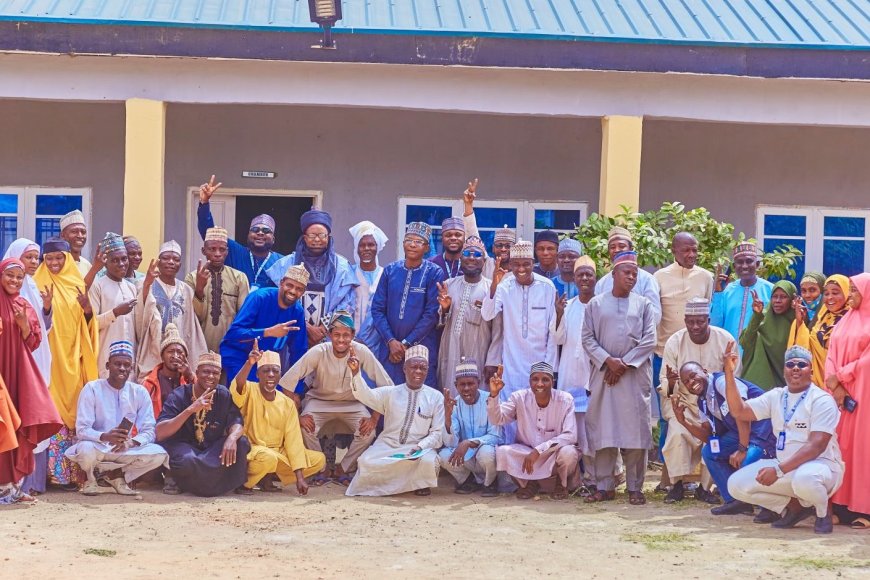
Photo: WRCI

Healing the Wounds Before They Turn Violent: Inside a Grassroots Mental Health Effort in Nigeria

Feb 26, 2026 - 14:47
 0

In two quiet communities in northern Nigeria, a different kind of security effort has just wrapped up, one that doesn’t involve uniforms or checkpoints, but listening, empathy, and early intervention.


In Bakori A and Bakori B, in Bakori Local Government Area of Katsina State, the Wadata Relief Care Initiative (WRCI) has concluded a Mental Health and Psychosocial Support (MHPSS) training designed to help communities respond to the invisible scars left by conflict and insecurity. The goal is to strengthen resilience against extremism by addressing trauma before it deepens.

For years, communities across parts of northern Nigeria have faced instability, displacement, and fear. While the physical damage is often visible, the emotional toll such as anxiety, grief, anger, Post-Traumatic Stress Disorder (PTSD) and social fragmentation, is less obvious but highly dangerous. Left unaddressed, these wounds can erode trust, weaken social ties, and create openings for extremist recruitment.

The training, delivered under the Strengthening Community Resilience Against Extremism and Violent Extremism Project, focused on equipping local actors with practical tools. Participants learned how to recognise signs of psychosocial distress, offer basic emotional support, reduce stigma surrounding mental health challenges, and encourage peaceful coexistence.

Rather than relying solely on outside experts, the initiative places community members at the center of the response.

WRCI says the idea is to create “first-line support providers”, trusted individuals within the community who can step in early when someone shows signs of distress.

Emotional trauma and social isolation can increase vulnerability, particularly among young people who may feel disconnected or hopeless, requiring early intervention. By identifying and responding to these warning signs, communities can interrupt a cycle that might otherwise escalate toward violence.

The approach recognises that resilience is not built only through security operations, but through relationships, neighbors checking in on neighbors, leaders creating safe spaces for dialogue and families understanding when to seek help.

A Community-Based Approach to Prevention

The project was implemented in partnership with the International Center of Excellence for Countering Extremism and Violent Extremism, Hedayah and funded by the European Union.

Together, the partners are working from a shared belief: preventing violent extremism requires addressing root causes, not just symptoms. Poverty, marginalisation, and insecurity play a role, but so do trauma, stigma, and broken social bonds.

By embedding mental health awareness within local structures, the initiative makes prevention sustainable and locally owned.

WRCI, which advocates for children’s rights and equality for girls and young people in Nigeria, says it remains committed to supporting communities across Katsina State with inclusive, grassroots-driven programs.

In places where insecurity has shaped daily life, healing can feel like a distant goal. But in Bakori A and Bakori B, residents now have new tools, and perhaps renewed confidence to support one another.
 

Healing the Wounds Before They Turn Violent: Inside a Grassroots Mental Health Effort in Nigeria

Feb 26, 2026 - 14:47
 0
Healing the Wounds Before They Turn Violent: Inside a Grassroots Mental Health Effort in Nigeria
Photo: WRCI

In two quiet communities in northern Nigeria, a different kind of security effort has just wrapped up, one that doesn’t involve uniforms or checkpoints, but listening, empathy, and early intervention.


In Bakori A and Bakori B, in Bakori Local Government Area of Katsina State, the Wadata Relief Care Initiative (WRCI) has concluded a Mental Health and Psychosocial Support (MHPSS) training designed to help communities respond to the invisible scars left by conflict and insecurity. The goal is to strengthen resilience against extremism by addressing trauma before it deepens.

For years, communities across parts of northern Nigeria have faced instability, displacement, and fear. While the physical damage is often visible, the emotional toll such as anxiety, grief, anger, Post-Traumatic Stress Disorder (PTSD) and social fragmentation, is less obvious but highly dangerous. Left unaddressed, these wounds can erode trust, weaken social ties, and create openings for extremist recruitment.

The training, delivered under the Strengthening Community Resilience Against Extremism and Violent Extremism Project, focused on equipping local actors with practical tools. Participants learned how to recognise signs of psychosocial distress, offer basic emotional support, reduce stigma surrounding mental health challenges, and encourage peaceful coexistence.

Rather than relying solely on outside experts, the initiative places community members at the center of the response.

WRCI says the idea is to create “first-line support providers”, trusted individuals within the community who can step in early when someone shows signs of distress.

Emotional trauma and social isolation can increase vulnerability, particularly among young people who may feel disconnected or hopeless, requiring early intervention. By identifying and responding to these warning signs, communities can interrupt a cycle that might otherwise escalate toward violence.

The approach recognises that resilience is not built only through security operations, but through relationships, neighbors checking in on neighbors, leaders creating safe spaces for dialogue and families understanding when to seek help.

A Community-Based Approach to Prevention

The project was implemented in partnership with the International Center of Excellence for Countering Extremism and Violent Extremism, Hedayah and funded by the European Union.

Together, the partners are working from a shared belief: preventing violent extremism requires addressing root causes, not just symptoms. Poverty, marginalisation, and insecurity play a role, but so do trauma, stigma, and broken social bonds.

By embedding mental health awareness within local structures, the initiative makes prevention sustainable and locally owned.

WRCI, which advocates for children’s rights and equality for girls and young people in Nigeria, says it remains committed to supporting communities across Katsina State with inclusive, grassroots-driven programs.

In places where insecurity has shaped daily life, healing can feel like a distant goal. But in Bakori A and Bakori B, residents now have new tools, and perhaps renewed confidence to support one another.