 English
 Kinyarwanda
How Rwandan Youth Are Navigating Generational Trauma 32 years After Genocide against Tutsi
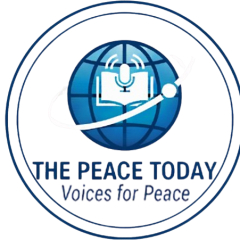
Emerance Manishimwe grew up in Bitega Village carrying a question she was afraid to ask. In the years following her birth in 1995, the absence of grandparents, aunties, and uncles from both her mother and father’s side created a hollow space in her childhood—one that her mother, Francoise Mukaremera, could not find the words to fill.
For decades, the trauma Mukaremera suffered stemming from the 1994 Genocide against the Tutsi was silently, and unknowingly, passed on to her daughter. This transmission of pain reflects how the wounds of survivors continue to shape the lives and choices of children born after the tragedy.
“I remember clearly the day I asked her, ‘Mom, don’t we have any grandparents?’” Manishimwe recalled. “Whenever she tried to explain, she would suffer a trauma crisis and end up in the hospital.”
Watch Manishimwe's short testimony (with English subtitles)
Mukaremera’s response was a reflection of deep unresolved pain. “Don’t you know the genocide happened and they were all killed?” she would say, often without further explanation, as she was not yet ready to revisit her invisible wounds.
Before she found healing, Mukaremera struggled to be the parent her children needed. The bitterness she carried after the genocide left her, in her own words, “mute with anger.”
“I took out my pain on the children. I was always irritable and angry,” she admitted. When her children saw others with grandparents and asked questions, she would often cry instead of explaining their family history.
This silence did not protect Manishimwe and her siblings. Instead, it contributed to growing anger, hatred and confusion. “Whenever I thought about the fact that we had no one, it hurt deeply,” she said. “As I grew up, knowing how people were robbed of their lives, I felt a burning desire for revenge.”
The intergenerational transmission of genocide legacies is not unique to children of survivors.
Descendants of perpetrators also carry the weight of crimes committed by their parents. Many struggle with shame and guilt, while others develop anger or denial due to incomplete or distorted understanding of history of the genocide. In some cases, parents avoid discussing their past altogether, leaving their children to navigate confusion and inherited stigma.
A study released in 2024 by Rwanda We Want (RWW) and Interpeace found that 50.4% of youth in the study population showed mild to moderate symptoms of Post-Traumatic Stress Disorder (PTSD), while 13.5% exhibited severe symptoms. These findings align with previous research on trauma and mental health among post-genocide generations. The study also noted that untreated psychological distress can contribute to risky behaviours among young people, including alcohol abuse, drug use, unprotected sex, suicide attempts, and excessive smoking.
It further revealed that 40% of parents remain reluctant to engage in conversations about the Genocide against the Tutsi with their children. The report recommends innovative, scalable approaches that combine education, mental health support, and social services to promote dialogue, healing, and resilience.
Years ago, these emotional wounds also shaped social life in schools. Manishimwe recalls that relationships among students were often divided along family histories. Survivors’ children and those from families of perpetrators often formed separate groups, reflecting unspoken tension and unresolved pain.
The burden of trauma also strained parent-child relationships, limiting parents’ ability to fully perform their caregiving roles, as seen in the case of Mukaremera and her children.
The cycle began to shift when Mukaremera joined the Mvura Nkuvure - Sociotherapy group, implemented in her community by Interpeace and Prison Fellowship Rwanda between 2020 and 2022. The programme is part of a broader effort to strengthen social cohesion, reconciliation, and mental health in post-genocide Rwanda.
Through group therapy, Mukaremera developed social-emotional skills that helped her understand and manage her emotions while rebuilding relationships. By learning to speak about her trauma, she created space for her children to begin understanding theirs.
“When you tell a child the truth, they grow up knowing the reality,” Manishimwe said. “Learning history from a parent is more powerful than reading it in a document.”
“School education isn’t enough,” she added. “It is never as clear as when your own parent tells you. When my mother told me about her past, I understood it far better than what I had read in textbooks or heard from teachers.”
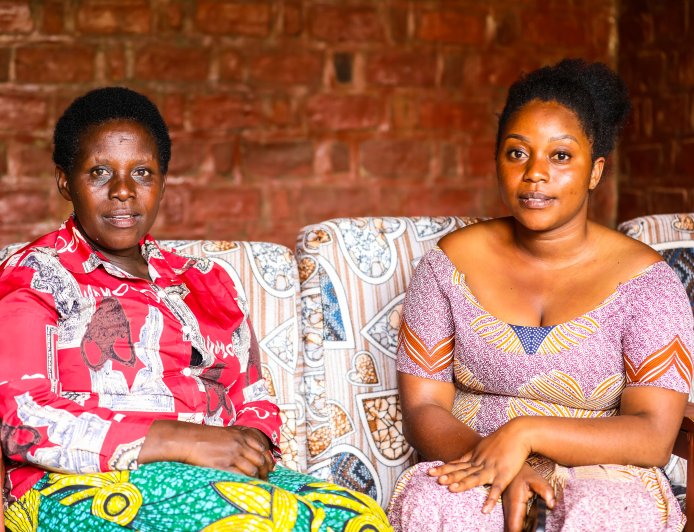
Manishimwe also participated in healing groups and training sessions on social-emotional skills and the history of the genocide, delivered by local and international organisations supporting national efforts in peacebuilding and civic education.
Through these experiences, Manishimwe came to see that both survivors’ children and perpetrators’ children carry wounds, though of different kinds. She noted that children of perpetrators often struggle with deep shame linked to their family history.
Over time, she says she has found forgiveness and understanding toward her peers.
“I have come to truly love the children whose parents participated in the genocide,” she said. “I feel I’ve been given the grace to understand through my training.”
“Before I was educated on this, I struggled with bitterness,” she added. “But once I learned how the genocide was planned and executed, I was able to forgive. I realised they are not their parents and should not be judged for their parents’ crimes.”
Expert Warns of Transgenerational Trauma Cycles
More than three decades after the Genocide against the Tutsi, mental health experts warn that deep emotional wounds persist and continue to be transmitted to younger generations.
Adelite Mukamana, a clinical psychologist and PhD candidate at the University of Rwanda, who works with the Rwanda Biomedical Centre (RBC) and Interpeace, says research shows that the psychological impact of the genocide remains a major challenge affecting young people, including descendants of survivors and perpetrators.
Through her work at the Geruka Healing Centre and other programmes, she observes that many individuals continue to struggle with both diagnosed and unspoken symptoms, including difficulty managing daily life, intense fear, and family conflict.
She warns that without continued intervention, transgenerational trauma may persist, especially as those born after the genocide now become parents themselves, risking the transmission of unresolved trauma to a third generation.
“The new generation, children born to those who were themselves born after the genocide, are also showing signs of inherited trauma,” she said.
She compares this pattern to findings from Holocaust studies, where descendants of survivors experienced similar psychological effects. Without timely interventions, such cycles risk becoming self-perpetuating across generations.
Mukamana notes that Rwanda has made significant efforts to address trauma, including national mental health policies, specialised treatment programmes, and partnerships with NGOs and faith-based organisations. However, she acknowledges that access to support is still uneven.
The goal, she says, is not necessarily to erase trauma completely, but to ensure that its impact decreases over time rather than intensifying with each generation.
Watch Manishimwe's full testimony ( Kinyarwanda)