 English
 Kinyarwanda


Iran Proposes 14-Point Peace Plan to End War with U.S.

Iran has presented the United States with a 14-point proposal for a potential ceasefire, offering to end the current war within 30 days and significantly scale back its nuclear programme.
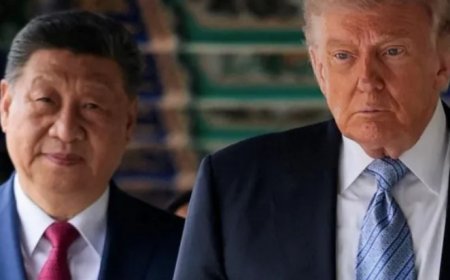
U.S. President Donald Trump confirmed that the points are currently under review, though he warned these efforts would be ineffective if Iran act in bad faith.
The proposed plan centers on comprehensive security guarantees, headlined by a non-aggression pact between the United States and Iran that would formally involve Israel and other regional allies. It seeks a permanent end to hostilities through an international treaty.
This diplomatic shift is paired with a demand for significant military adjustment, specifically the total withdrawal of U.S. forces from countries neighboring Iran and the unblocking of all Iranian ports currently restricted by American measures.
A critical component of the logistics plan involves the reopening of the Strait of Hormuz, a vital global shipping lane that handles 20% of the world’s petroleum.
While Tehran offers to restore traffic to this essential route, the proposal remains tied to the broader requirement that the U.S. cease its maritime blockades and military presence in the immediate region.
In a major policy shift, Tehran offered to halt the production of weapons-grade uranium for 15 years. Following that period, Iran agrees to reduce nuclear production from over 60 per cent to 3.6 per cent—a level suitable only for industrial use.
To ensure transparency, Iran proposed sharing management data and exporting processed uranium to prevent domestic stockpiling.
In return, Tehran demands the total lifting of economic sanctions and the release of all frozen assets.
Despite the new offer, which replaces a 10-point plan from April, negotiations remain stalled over a sequencing dispute. Iran demands a signed treaty before taking action, while the U.S. insists the Strait of Hormuz must be reopened before any deal is finalised.
The Strait is a critical route for one-third of the world’s fertilizer and essential tech supplies.
Since its closure, shipping traffic has also dropped from 3,000 vessels per month.
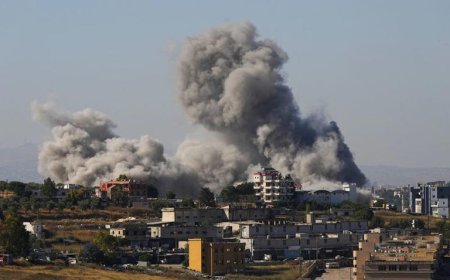
The proposal comes as the toll of the conflict, which began on February 28, continues to rise.
Official reports indicate that as of March 3, the fighting has left 2,076 Iranians dead and 26,500 injured.