 English
 Kinyarwanda

Israeli Airstrikes Threaten Ceasefire as US, Iran Envoys Head to Peace Talks
Top U.S. and Iranian envoys headed to Switzerland on Saturday, June 20 for critical peace talks aimed at securing a lasting regional deal, even as a series of deadly Israeli airstrikes in southern Lebanon threatened to break the ceasefire required for the negotiations.
U.S. President Donald Trump's personal envoy, Steve Witkoff, and Iranian Foreign Minister Abbas Araqchi are leading the diplomatic push. Their meeting marks an effort to turn Wednesday’s interim 14-point pact into a permanent resolution to the war launched by the United States and Israel on February 28.
However, the diplomatic mission faces an immediate crisis.
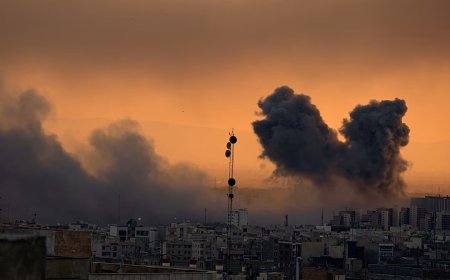
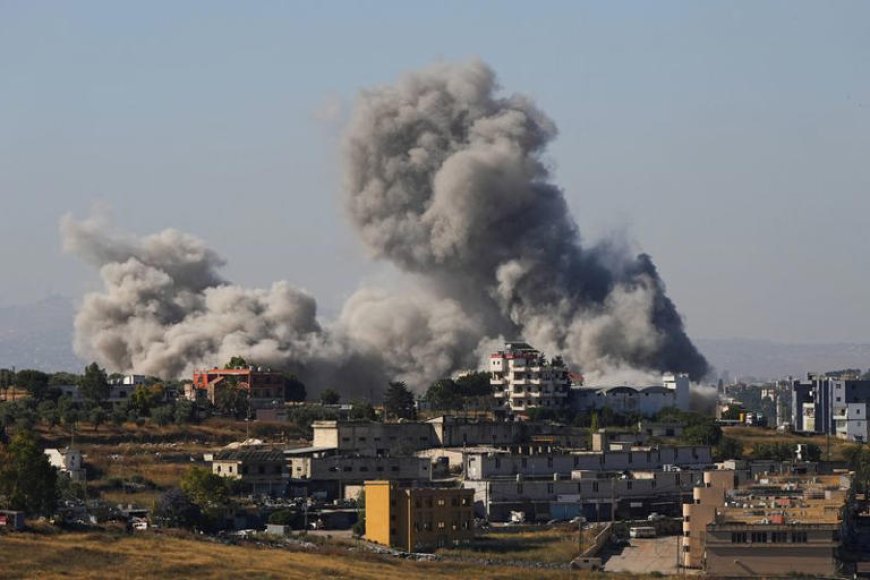
Just hours after a ceasefire between Israel and the Iran-backed militant group Hezbollah took effect at 4 p.m. (1300 GMT) on Friday, Israeli warplanes and drones launched overnight and Saturday morning strikes across Lebanon's Nabatieh area.
Lebanese state news agency NNA reported that the attacks destroyed residential buildings and included pre-dawn artillery gunfire. The strikes killed at least five people. Israel did not immediately comment on the reports.
A complete halt to the fighting in Lebanon is a mandatory condition for starting the planned 60 days of U.S.-Iranian talks.
The negotiations are designed to resolve disputes over Iran’s nuclear program and other complex issues. A durable deal is considered critical to permanently reopening the Strait of Hormuz and stabilizing global oil supplies.
The high-stakes Swiss talks were arranged after U.S. Vice President JD Vance canceled plans on Thursday to travel to the Buergenstock resort.
Vance pulled out as technical preparations were well advanced amid rising tensions between Israel and Hezbollah. Despite his absence, the Swiss foreign ministry stated that Switzerland stands ready to facilitate the talks and that preparatory work has continued.
The logistical movements remain tightly guarded. Witkoff is traveling to Switzerland to join Jared Kushner, Trump’s son-in-law, who is already at the location.
Araqchi was scheduled to travel on Saturday, according to Axios. However, the White House did not respond to questions regarding Witkoff's travel, and Iran has not officially confirmed Araqchi's plans, according to Reuters.
The interim deal requires the United States, Iran, and their allies to declare an immediate and permanent termination of military operations on all fronts, including Lebanon. Israel, which was left out of the negotiations, maintains that it is not a party to the agreement.
Araqchi warned that the United States would be held responsible for any violation of commitments under the deal, including the mandate to end the fighting in Lebanon.
Lebanon was initially drawn into the regional war on March 2 when Hezbollah opened fire at Israel, prompting an Israeli offensive and subsequent invasion of southern Lebanon.
The wider conflict has killed at least 7,000 people, mostly in Iran and Lebanon, while stoking global inflation by driving up energy prices.
Signs of economic relief emerged early this week following the signing of the interim pact.
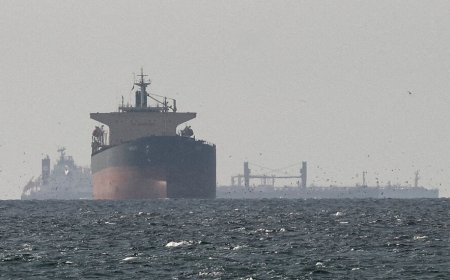
Brent crude prices fell about 8 prcent, and oil shipments began picking up through the Strait of Hormuz—a vital maritime gateway that carried nearly a fifth of global crude oil and liquefied natural gas supplies before Iran blockaded it during the war.
Additionally, the administrative body set up by Iran to manage the strait announced Friday that it would waive planned shipping fees during the negotiation period.