
UN Vows to Halve Long-Term Refugee Numbers

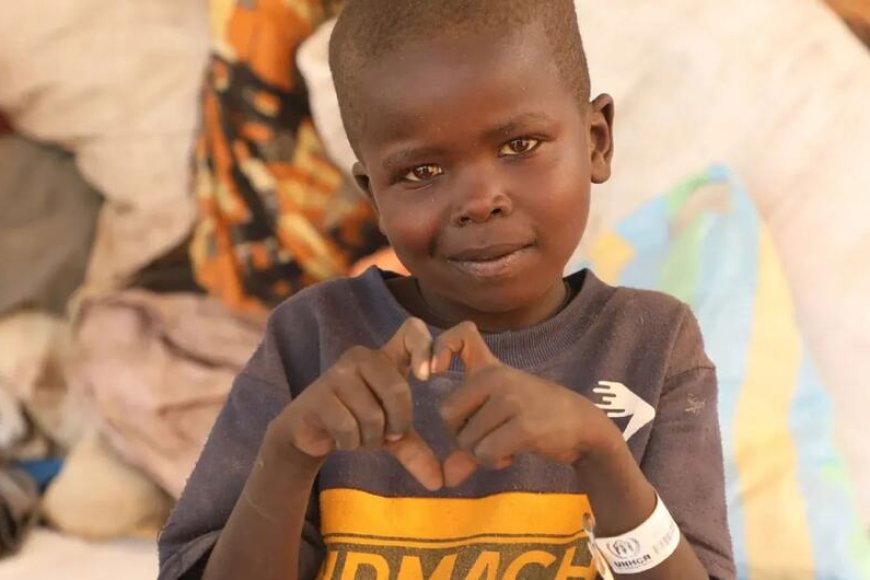
Chad provides shelter to people fleeing violence in neighboring Sudan, Cameroon, and the Central African Republic. Photo: UNICEF

UN Vows to Halve Long-Term Refugee Numbers

Jun 20, 2026 - 11:35
 0

The United Nations has launched a global appeal and a bold 10-year strategy to cut long-term refugee displacement by half, as escalating global conflicts push a staggering 42 million people worldwide to flee their home countries.


Marking World Refugee Day on 20 June, UN High Commissioner for Refugees Barham Salih called on the international community to urgently strengthen support for those escaping war, violence, and persecution.

The milestone event coincides with the 75th anniversary of the 1951 Refugee Convention, the landmark treaty establishing the universal right to seek asylum.

In a message, UN Secretary-General António Guterres warned that global fractures are worsening the crisis.

“As divisions deepen across our world, new and protracted conflicts are compelling millions of women, children and men to seek safety far from home,” Guterres stated, adding that these volatile times demand robust action and renewed solidarity.

High Commissioner Salih, who once fled political repression in Iraq as a young man, emphasized the human cost of long-term displacement.

“Fleeing home to seek safety is one of the hardest choices anyone can make. I know that from personal experience,” Salih said.

He declared that “while a person may, for a time, be defined as a refugee, becoming a refugee should not define a person’s life.” Yet, millions remain trapped, as he warned that millions of refugees “find themselves trapped in dependency, relying on a dwindling amount of aid for their daily survival.”

To solve this, the UN refugee agency (UNHCR) is shifting from temporary crisis management to permanent solutions. “Being a refugee is meant to be a temporary condition, not a lifelong fate,” Salih insisted.

“That is why I have set out an ambitious goal: to cut by half, within ten years, the number of refugees living in protracted displacement and reliant on humanitarian assistance.” Salih announced.

He noted that “Achieving this target…would vastly improve the lives of millions of people. It is how we can move from merely managing displacement to resolving it,” with efforts heavily focused on the low and middle-income nations currently hosting the majority of refugees.

The plan aligns with UNHCR’s newly released Global Trends Report, which outlines the "50 by 35" vision. The initiative aims to boost refugees’ access to work opportunities, national education, health, and social protection systems in efforts to foster self-reliance and reduce dependency on aid.

Salih also highlighted the immense value refugees bring to their host communities as neighbors, entrepreneurs, students, workers, artists, athletes, and leaders. “Given the opportunity, they rebuild their lives and help strengthen the societies around them,” he said.

To drive this transformation, UNHCR is assembling the global youth under the theme, Until Everyone is Safe. The campaign directly challenges social stereotypes and expands the conversation around asylum, reminding the world of the enduring dangers of the 1951 treaty.

“We must continue to uphold that promise. Until everyone is safe, none of us are safe,” Salih stated. “This is not merely a statement of solidarity but a call to action. Because the right to seek safety was made for times like these, and it is up to all of us to defend it.”

UN Vows to Halve Long-Term Refugee Numbers

Jun 20, 2026 - 11:35
 0
UN Vows to Halve Long-Term Refugee Numbers
Chad provides shelter to people fleeing violence in neighboring Sudan, Cameroon, and the Central African Republic. Photo: UNICEF

The United Nations has launched a global appeal and a bold 10-year strategy to cut long-term refugee displacement by half, as escalating global conflicts push a staggering 42 million people worldwide to flee their home countries.


Marking World Refugee Day on 20 June, UN High Commissioner for Refugees Barham Salih called on the international community to urgently strengthen support for those escaping war, violence, and persecution.

The milestone event coincides with the 75th anniversary of the 1951 Refugee Convention, the landmark treaty establishing the universal right to seek asylum.

In a message, UN Secretary-General António Guterres warned that global fractures are worsening the crisis.

“As divisions deepen across our world, new and protracted conflicts are compelling millions of women, children and men to seek safety far from home,” Guterres stated, adding that these volatile times demand robust action and renewed solidarity.

High Commissioner Salih, who once fled political repression in Iraq as a young man, emphasized the human cost of long-term displacement.

“Fleeing home to seek safety is one of the hardest choices anyone can make. I know that from personal experience,” Salih said.

He declared that “while a person may, for a time, be defined as a refugee, becoming a refugee should not define a person’s life.” Yet, millions remain trapped, as he warned that millions of refugees “find themselves trapped in dependency, relying on a dwindling amount of aid for their daily survival.”

To solve this, the UN refugee agency (UNHCR) is shifting from temporary crisis management to permanent solutions. “Being a refugee is meant to be a temporary condition, not a lifelong fate,” Salih insisted.

“That is why I have set out an ambitious goal: to cut by half, within ten years, the number of refugees living in protracted displacement and reliant on humanitarian assistance.” Salih announced.

He noted that “Achieving this target…would vastly improve the lives of millions of people. It is how we can move from merely managing displacement to resolving it,” with efforts heavily focused on the low and middle-income nations currently hosting the majority of refugees.

The plan aligns with UNHCR’s newly released Global Trends Report, which outlines the "50 by 35" vision. The initiative aims to boost refugees’ access to work opportunities, national education, health, and social protection systems in efforts to foster self-reliance and reduce dependency on aid.

Salih also highlighted the immense value refugees bring to their host communities as neighbors, entrepreneurs, students, workers, artists, athletes, and leaders. “Given the opportunity, they rebuild their lives and help strengthen the societies around them,” he said.

To drive this transformation, UNHCR is assembling the global youth under the theme, Until Everyone is Safe. The campaign directly challenges social stereotypes and expands the conversation around asylum, reminding the world of the enduring dangers of the 1951 treaty.

“We must continue to uphold that promise. Until everyone is safe, none of us are safe,” Salih stated. “This is not merely a statement of solidarity but a call to action. Because the right to seek safety was made for times like these, and it is up to all of us to defend it.”