 English
 Kinyarwanda
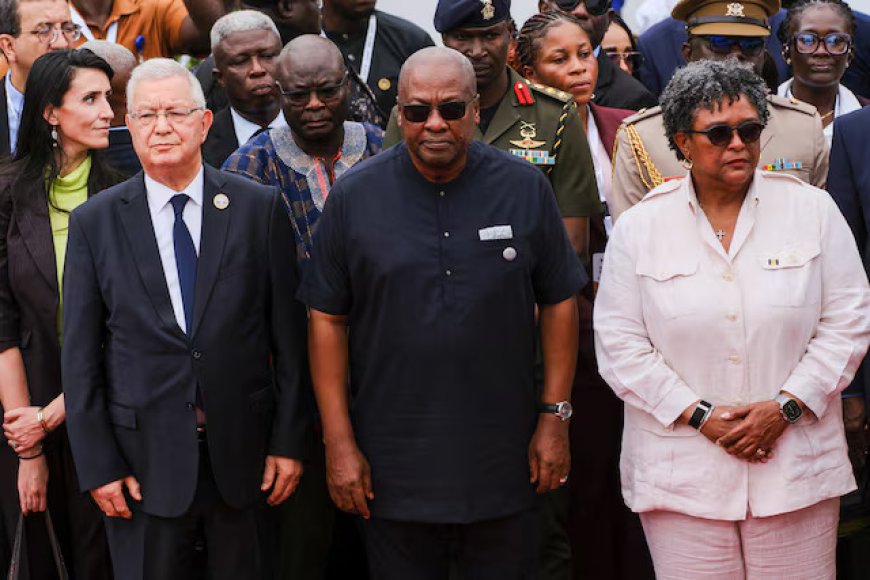
Africa, Caribbean Nations Launch Joint Demand for Slavery Reparations

African and Caribbean nations on Friday, June 19 jointly demanded formal apologies, debt relief, and financial compensation from countries that benefited from transatlantic slavery, finalizing a unified 19-point reparations plan at a three-day summit in Ghana.
The plan was formally adopted by the African Union and the Caribbean Community (CARICOM) Commission on Reparatory Justice.
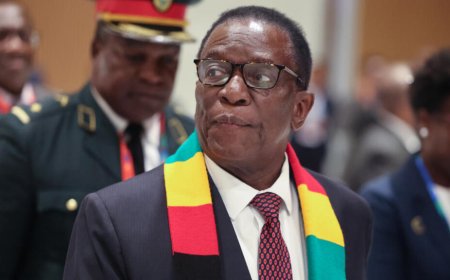
The summit drew high-level participation, including heads of state from Namibia, Liberia, Senegal, Barbados, and Sao Tome and Principe, alongside the vice president of Equatorial Guinea.
The aggressive push follows a United Nations resolution in March that recognized transatlantic slavery as the "gravest crime against humanity."
The newly approved 19-point framework does not explicitly name which specific nations should apologize. Instead, it calls for a global overhaul to address the historical injustices that saw at least 12.5 million Africans kidnapped and forcibly transported by European ships between the 15th and 19th centuries.
Specifically, the document outlines the establishment of a Global Reparations Fund, alongside comprehensive debt relief and cancellation for affected countries.
It also demands structural reforms to international financial institutions to ensure fairer representation for nations in the Global South.
Beyond financial measures, the alliance is demanding the restitution of robbed cultural property and ancestral remains, climate justice financing, and targeted steps to remedy the unique brutalities inflicted on African women and girls during the slave trade.
The strategy also turns inward, urging African countries to grant the right of return and citizenship pathways for diaspora Africans. Additionally, member states committed to preserving historic coastal forts and castles as permanent memorials.
The March U.N. resolution passed with 123 votes in favor, but faced notable resistance. The United States, Israel, and 52 other nations—including Britain and European Union members—either opposed or abstained.
Both the U.S. and the EU voiced concerns that the resolution could imply a hierarchy among crimes against humanity, potentially treating some as more serious than others.
Advocates at the Accra conference countered that immediate action is necessary to confront the enduring modern legacies of the trade, including systemic racism and deep global economic inequality.
By merging CARICOM's existing reparations framework with the African Union's separate plan, the two bodies created a single, unified document to present at the next U.N. General Assembly.
Despite the gravity of the demands, several leaders struck a conciliatory tone regarding current generations.
“None of us gathered in this hall today can be held personally responsible for the atrocities of the transatlantic slave trade,” Ghana’s President John Dramani Mahama told delegates. “History does not ask us to inherit guilt, but it asks us to inherit responsibility.”
European leaders also engaged with the summit.
Speaking virtually from the Elysee Palace, French President Emmanuel Macron said enslaved people “were torn from their homelands, deported, dehumanised, and treated as goods.”
However, Macron pivoted on the mechanism of financial payouts, stating that reparations “should not be seen " as an end point, or a cheque written to bring the story to a close.”
Last month, French lawmakers voted to formally repeal slavery-era laws that historically defined the legal status of enslaved people as "movable property" and justified corporal punishment. However, those legislative rollbacks stopped short of including any concrete demands for financial reparations.
Tags:
- Slavery reparations
- African Union
- CARICOM
- Ghana conference
- John Dramani Mahama
- Emmanuel Macron
- United Nations resolution
- Global South debt relief
- Transatlantic slave trade
- Human rights
- Slavery reparations
- African Union
- CARICOM
- Ghana conference
- John Dramani Mahama
- Emmanuel Macron
- United Nations resolution
- Global South debt relief
- Transatlantic slave trade
- Human rights