 English
 Kinyarwanda

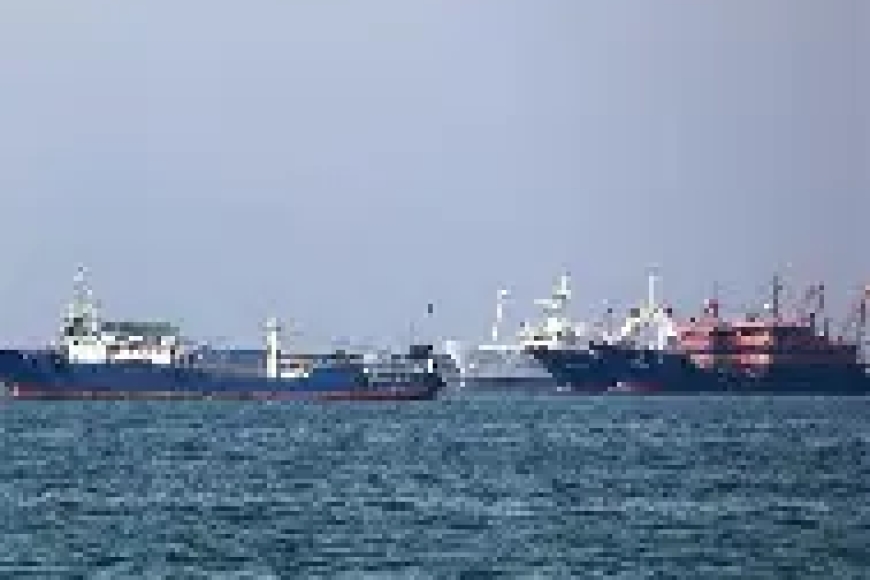
Iran Claims Hormuz Closure; US Denies Blockade Ahead of Talks

Iran’s military command announced Saturday, June 20, it is closing the Strait of Hormuz in response to Israeli strikes on Lebanon, directly testing a ceasefire agreement with the United States just one day before high-stakes peace talks are scheduled to resume in Switzerland.
The unexpected announcement, delivered through Iranian state media, threatens to disrupt a preliminary agreement between the U.S. and Iran.
Under that initial deal, stranded vessels had only recently and cautiously begun to transit the vital maritime corridor after both nations agreed to lift all restrictions on movement.
Despite Tehran's declaration, the U.S. military immediately rejected claims of a blockade.
U.S. Central Command confirmed that commercial movement continued through Saturday, reporting that 55 merchant ships and 17 million barrels of oil successfully navigated the waterway.
“Iran does not control the Strait of Hormuz,” said Navy Capt. Tim Hawkins, a spokesman for U.S. Central Command. “Traffic continues to flow, and U.S. forces are monitoring the situation to ensure this remains the case.”
Earlier on Saturday morning, Vice President JD Vance also dismissed the shutdown during an appearance on “Fox & Friends,” declaring that “the straits are now open.”
The sudden escalation follows a days-long back-and-forth over whether and when mediated peace negotiations would continue.
Pakistan, acting as the official mediator in the negotiations, confirmed Saturday that the next round of talks remains planned for Sunday in Switzerland.
Scores of diplomats, journalists, and activists gathered in Zurich on Friday for what was intended to be the kickoff of the next phase of negotiations toward a complete peace accord.
A signing ceremony for a loosely defined memorandum of understanding is expected to feature Vance and Iranian Foreign Minister Abbas Araghchi, followed by meetings of their respective negotiating teams.
Vance indicated he might join the Swiss summit “as soon as tomorrow.”
He added that U.S. negotiators Steve Witkoff and Jared Kushner are already on the ground holding discussions with lower-level officials.
Iran’s Foreign Ministry spokesperson Esmaeil Baqaei confirmed that Tehran’s negotiating team is traveling to Switzerland to follow up on the agreement's implementation.
However, the success of the broader peace effort remains highly volatile.
A core element of the ceasefire agreement calls for an end to hostilities by Israel against Lebanon, binding the White House to try to push Israeli leaders into halting their attacks on Iran’s proxy, Hezbollah.