
Rwanda Calls for Decisive Action to Neutralise FDLR as Key to Lasting Peace in Eastern DRC

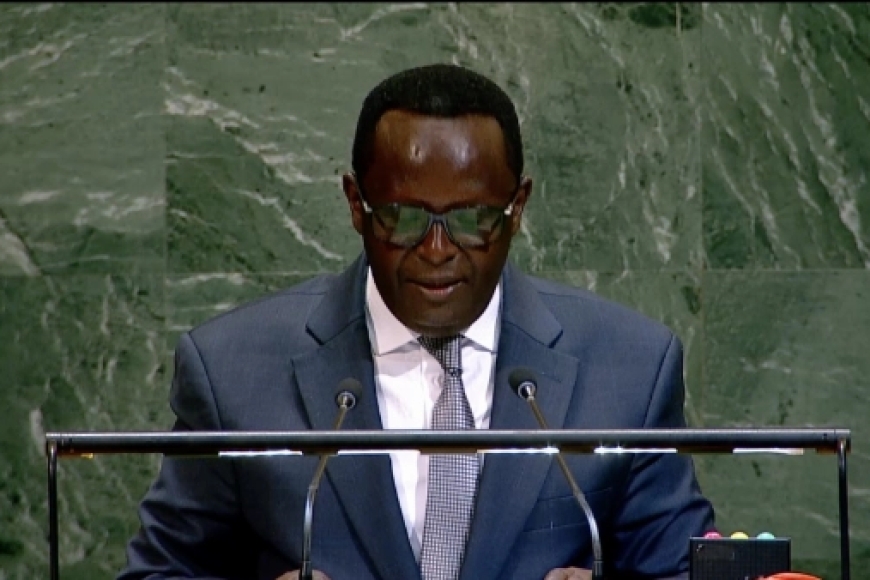
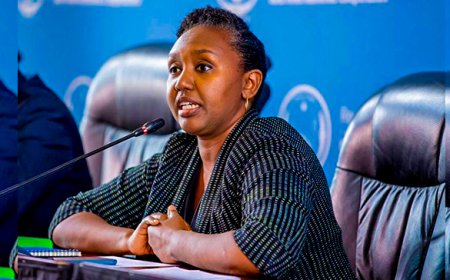
Martin Ngoga, Ambassador and Permanent Representative of the Republic of Rwanda to the United Nations.

Rwanda Calls for Decisive Action to Neutralise FDLR as Key to Lasting Peace in Eastern DRC

Mar 26, 2026 - 22:12
 0

Rwanda has urged the international community to prioritise addressing the root causes of instability in eastern Democratic Republic of the Congo (DRC), emphasising that lasting peace depends on neutralising armed groups and advancing political solutions.


Speaking before the United Nations Security Council, Rwanda’s Permanent Representative, Martin Ngoga, reaffirmed his country’s commitment to a peaceful resolution of the conflict, stressing the need for sustained diplomatic engagement and regional cooperation.

Ngoga made clear that Rwanda does not consider itself responsible for the ongoing conflict in eastern DRC. Instead, he highlighted the continued threat posed by the Democratic Forces for the Liberation of Rwanda (FDLR), which he described as a “genocidal force” rooted in the perpetrators of the 1994 Genocide against the Tutsi.

“For Rwanda, the FDLR remains an ever-present threat,” Ngoga said, warning that the group’s ideology continues to spread. He stressed that neutralising the FDLR and eliminating its influence, including hate speech, must be central to any credible peace process.

Beyond security concerns, Rwanda emphasised the importance of Congolese-led political solutions to address internal drivers of the conflict. Ngoga pointed to the Doha Framework for Peace as a key platform for dialogue, alongside the Washington Peace Agreement.

He noted that progress in these parallel processes is essential to achieving a durable ceasefire and addressing longstanding issues, including the return of refugees. According to Rwanda, hundreds of thousands of refugees have remained displaced for nearly three decades, both within the region and abroad.

Ngoga also acknowledged mediation efforts by the United States, Qatar, and the African Union, calling for impartial and evidence-based engagement to ensure the credibility of peace efforts.

Rising Civilian Toll

Rwanda expressed concern over escalating violence and its humanitarian impact, citing increased drone strikes and aerial attacks in populated areas. Ngoga referenced a recent strike in the city of Goma that killed a humanitarian worker and other civilians.

He outlined a series of incidents reported since January, including attacks in the Hauts Plateaux and Minembwe, which resulted in civilian casualties, injuries to children, and destruction of homes and infrastructure.

“These developments underscore the urgent need for a ceasefire,” Ngoga said, warning that vulnerable communities continue to bear the brunt of the violence.

Rwanda reiterated its continued support for ongoing peace initiatives and called for concrete implementation of agreed measures. Ngoga stressed that monitoring mechanisms must function effectively to build trust and ensure accountability among all parties.

“If we remain focused on implementation and on addressing the root causes of this conflict, we have a genuine opportunity to move toward a durable and lasting peace,” he said.

Rwanda pledged to continue playing what it described as a constructive and honest role in efforts to stabilize the region.
 

Rwanda Calls for Decisive Action to Neutralise FDLR as Key to Lasting Peace in Eastern DRC

Mar 26, 2026 - 22:12
Mar 26, 2026 - 22:26
 0
Rwanda Calls for Decisive Action to Neutralise FDLR as Key to Lasting Peace in Eastern DRC
Martin Ngoga, Ambassador and Permanent Representative of the Republic of Rwanda to the United Nations.

Rwanda has urged the international community to prioritise addressing the root causes of instability in eastern Democratic Republic of the Congo (DRC), emphasising that lasting peace depends on neutralising armed groups and advancing political solutions.


Speaking before the United Nations Security Council, Rwanda’s Permanent Representative, Martin Ngoga, reaffirmed his country’s commitment to a peaceful resolution of the conflict, stressing the need for sustained diplomatic engagement and regional cooperation.

Ngoga made clear that Rwanda does not consider itself responsible for the ongoing conflict in eastern DRC. Instead, he highlighted the continued threat posed by the Democratic Forces for the Liberation of Rwanda (FDLR), which he described as a “genocidal force” rooted in the perpetrators of the 1994 Genocide against the Tutsi.

“For Rwanda, the FDLR remains an ever-present threat,” Ngoga said, warning that the group’s ideology continues to spread. He stressed that neutralising the FDLR and eliminating its influence, including hate speech, must be central to any credible peace process.

Beyond security concerns, Rwanda emphasised the importance of Congolese-led political solutions to address internal drivers of the conflict. Ngoga pointed to the Doha Framework for Peace as a key platform for dialogue, alongside the Washington Peace Agreement.

He noted that progress in these parallel processes is essential to achieving a durable ceasefire and addressing longstanding issues, including the return of refugees. According to Rwanda, hundreds of thousands of refugees have remained displaced for nearly three decades, both within the region and abroad.

Ngoga also acknowledged mediation efforts by the United States, Qatar, and the African Union, calling for impartial and evidence-based engagement to ensure the credibility of peace efforts.

Rising Civilian Toll

Rwanda expressed concern over escalating violence and its humanitarian impact, citing increased drone strikes and aerial attacks in populated areas. Ngoga referenced a recent strike in the city of Goma that killed a humanitarian worker and other civilians.

He outlined a series of incidents reported since January, including attacks in the Hauts Plateaux and Minembwe, which resulted in civilian casualties, injuries to children, and destruction of homes and infrastructure.

“These developments underscore the urgent need for a ceasefire,” Ngoga said, warning that vulnerable communities continue to bear the brunt of the violence.

Rwanda reiterated its continued support for ongoing peace initiatives and called for concrete implementation of agreed measures. Ngoga stressed that monitoring mechanisms must function effectively to build trust and ensure accountability among all parties.

“If we remain focused on implementation and on addressing the root causes of this conflict, we have a genuine opportunity to move toward a durable and lasting peace,” he said.

Rwanda pledged to continue playing what it described as a constructive and honest role in efforts to stabilize the region.