Seven Peace and Security Priorities for Africa in 2026 – ICG
Seven Peace and Security Priorities for Africa in 2026 – ICG

Feb 16, 2026 - 11:05
 0

The International Crisis Group (ICG) has identified seven major peace and security priorities for Africa in 2026. These are conflict hotspots or diplomatic tensions that risk escalating into wider wars if not urgently addressed. The organisation also outlines possible pathways to de-escalation and conflict resolution.


1. Sudan’s Devastating War

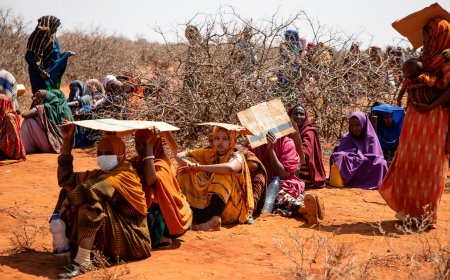
At the top of the list is the ongoing war in Sudan. Fighting between the Sudanese Armed Forces (SAF) and the paramilitary Rapid Support Forces (RSF) continues to devastate the country. The conflict has worsened an already dire humanitarian crisis, displaced millions, and deepened regional instability.

2. Mounting Tensions between Burundi and Rwanda

ICG warns that the war in eastern Democratic Republic of Congo (DRC) could further inflame tensions between Rwanda and Burundi. Both countries accuse each other of backing armed proxy groups to destabilise their governments. Without diplomatic intervention, the situation could escalate into a broader regional confrontation.

3. The Worsening Crisis in the Sahel

The central Sahel remains a major concern. The crisis, ongoing for more than a decade, took a dangerous turn in 2025. In September, Jama’at Nusrat al-Islam wal-Muslimin (JNIM) disrupted fuel supplies to Mali’s capital, Bamako, paralysing local commerce for months.

The trend extends beyond Mali. In neighbouring Burkina Faso and Niger, jihadist groups that once operated mainly in rural areas are increasingly targeting urban centres, raising fears of further destabilisation.

4. Rising Tensions Between Ethiopia and Eritrea

Diplomatic tensions between Ethiopia and Eritrea are also growing. Both countries appear to be preparing for the possibility of renewed conflict.

Landlocked Ethiopia has publicly expressed its ambition to secure access to a seaport, preferably along Eritrea’s Red Sea coast. These statements are viewed as provocative in Asmara. Relations between the two countries have fluctuated sharply over the past three decades, marked by both war and reconciliation.

5. Somalia at a Tipping Point

Somalia’s situation remains fragile. The country faces persistent insecurity, political divisions, and weakening international support.

Al-Shabaab, the jihadist insurgency that has fought the federal government for nearly two decades, continues to pose a major threat. Without sustained security reforms and political cohesion, Somalia risks further instability.

6. Political and Security Strains in Cameroon

Cameroon’s situation has raised fresh concerns following the re-election of President Paul Biya in October 2025. At 92, the world’s oldest serving president faces three key challenges.

First, maintaining unity within his ruling coalition may prove difficult. Internal divisions could weaken governance and deepen fractures within the security services, which already face ethno-regional tensions.

Second, opposition anger over what many describe as a stolen election remains high. Opposition leader Tchiroma, currently in exile in Banjul, Gambia, has signalled his intention to return, a move that could spark renewed protests and clashes with security forces.

Third, the long-running insurgency in the North West and South West regions persists. Anglophone separatists continue to push for independence, citing political, economic and cultural marginalisation.

7. Renewed Conflict in South Sudan

South Sudan has once again slipped into open conflict. In early January, a rebellion led partly by commanders loyal to former Vice President Riek Machar captured territory in Jonglei state, an opposition stronghold. Government forces later regained much of the area through a large-scale counteroffensive.

Clashes have also intensified in other regions, including Equatoria, near the borders with Kenya and Uganda. The violence follows patterns seen during the 2013–2018 civil war, often marked by ethnic divisions between Dinka-dominated government forces and predominantly Nuer rebels.

Concerns of possible mass atrocities emerged after a senior general reportedly ordered troops to “spare no lives” during operations.

The renewed violence coincides with a political crisis, as President Salva Kiir’s health appears to be deteriorating. Meanwhile, the ongoing war in neighbouring Sudan is adding further strain, particularly by disrupting oil exports — a key source of revenue for South Sudan.

 

Seven Peace and Security Priorities for Africa in 2026 – ICG

Feb 16, 2026 - 11:05
 0
Seven Peace and Security Priorities for Africa in 2026 – ICG

The International Crisis Group (ICG) has identified seven major peace and security priorities for Africa in 2026. These are conflict hotspots or diplomatic tensions that risk escalating into wider wars if not urgently addressed. The organisation also outlines possible pathways to de-escalation and conflict resolution.


1. Sudan’s Devastating War

At the top of the list is the ongoing war in Sudan. Fighting between the Sudanese Armed Forces (SAF) and the paramilitary Rapid Support Forces (RSF) continues to devastate the country. The conflict has worsened an already dire humanitarian crisis, displaced millions, and deepened regional instability.

2. Mounting Tensions between Burundi and Rwanda

ICG warns that the war in eastern Democratic Republic of Congo (DRC) could further inflame tensions between Rwanda and Burundi. Both countries accuse each other of backing armed proxy groups to destabilise their governments. Without diplomatic intervention, the situation could escalate into a broader regional confrontation.

3. The Worsening Crisis in the Sahel

The central Sahel remains a major concern. The crisis, ongoing for more than a decade, took a dangerous turn in 2025. In September, Jama’at Nusrat al-Islam wal-Muslimin (JNIM) disrupted fuel supplies to Mali’s capital, Bamako, paralysing local commerce for months.

The trend extends beyond Mali. In neighbouring Burkina Faso and Niger, jihadist groups that once operated mainly in rural areas are increasingly targeting urban centres, raising fears of further destabilisation.

4. Rising Tensions Between Ethiopia and Eritrea

Diplomatic tensions between Ethiopia and Eritrea are also growing. Both countries appear to be preparing for the possibility of renewed conflict.

Landlocked Ethiopia has publicly expressed its ambition to secure access to a seaport, preferably along Eritrea’s Red Sea coast. These statements are viewed as provocative in Asmara. Relations between the two countries have fluctuated sharply over the past three decades, marked by both war and reconciliation.

5. Somalia at a Tipping Point

Somalia’s situation remains fragile. The country faces persistent insecurity, political divisions, and weakening international support.

Al-Shabaab, the jihadist insurgency that has fought the federal government for nearly two decades, continues to pose a major threat. Without sustained security reforms and political cohesion, Somalia risks further instability.

6. Political and Security Strains in Cameroon

Cameroon’s situation has raised fresh concerns following the re-election of President Paul Biya in October 2025. At 92, the world’s oldest serving president faces three key challenges.

First, maintaining unity within his ruling coalition may prove difficult. Internal divisions could weaken governance and deepen fractures within the security services, which already face ethno-regional tensions.

Second, opposition anger over what many describe as a stolen election remains high. Opposition leader Tchiroma, currently in exile in Banjul, Gambia, has signalled his intention to return, a move that could spark renewed protests and clashes with security forces.

Third, the long-running insurgency in the North West and South West regions persists. Anglophone separatists continue to push for independence, citing political, economic and cultural marginalisation.

7. Renewed Conflict in South Sudan

South Sudan has once again slipped into open conflict. In early January, a rebellion led partly by commanders loyal to former Vice President Riek Machar captured territory in Jonglei state, an opposition stronghold. Government forces later regained much of the area through a large-scale counteroffensive.

Clashes have also intensified in other regions, including Equatoria, near the borders with Kenya and Uganda. The violence follows patterns seen during the 2013–2018 civil war, often marked by ethnic divisions between Dinka-dominated government forces and predominantly Nuer rebels.

Concerns of possible mass atrocities emerged after a senior general reportedly ordered troops to “spare no lives” during operations.

The renewed violence coincides with a political crisis, as President Salva Kiir’s health appears to be deteriorating. Meanwhile, the ongoing war in neighbouring Sudan is adding further strain, particularly by disrupting oil exports — a key source of revenue for South Sudan.