ICG Warns Rwanda–Burundi Tensions Risk Exploding Amid Escalating DRC War

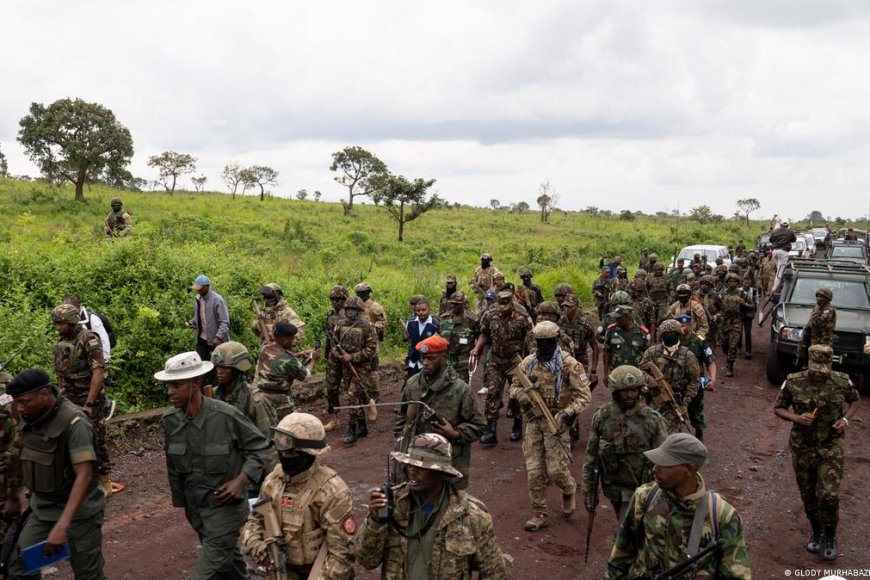
East African Regional Force soldiers and M23 rebels pictured in Kibumba, eastern Congo, in December 2022. Photo: GLODY MURHABAZI/AFP/Getty Images

ICG Warns Rwanda–Burundi Tensions Risk Exploding Amid Escalating DRC War

Feb 16, 2026 - 09:22
 0

The escalating war in eastern Democratic Republic of Congo (DRC) is sharply increasing tensions between Rwanda and Burundi, two neighbours whose relationship has been fragile for nearly a decade. International Crisis Group (ICG) raised this concern in its analysis report (briefing) which highlights seven peace and security priorities for Africa in 2026.


Burundi and Rwanda share borders with the DRC and are both accused of having troops operating inside Congolese territory. As fighting intensifies, diplomatic relations between Kigali and Gitega have deteriorated further, raising fears that the conflict could spill across borders.

A direct war between Rwanda and Burundi would bring catastrophic consequences to a region already battered by years of violence.

ICG says the current tensions are not new. For years, both governments have accused each other of backing armed groups to destabilise their rule.

In 2015, Burundi accused Rwanda of supporting a failed coup attempt. Some alleged coup plotters fled to Rwanda, which refused to extradite them, arguing they would not receive fair trials. In response, Burundi closed its border with Rwanda. Although there have been attempts at dialogue since then, mistrust has persisted and occasional border incidents have kept relations strained. Rwanda also accuses Burundi of collaborating with FDLR stands for the Democratic Forces for the Liberation of Rwanda).

Tensions worsened significantly in 2023 when Burundi increased its military presence in eastern DRC.In March of that year, Burundian troops deployed to North Kivu to help Congolese forces fight the M23 rebel group, which Kinshasa accuses Rwanda of backing. Although the Burundian forces initially deployed under a regional East African force, they remained in Congo at the request of the Congolese government after the East African force mission withdrew.

The fighting has been intense, and Burundian troops have suffered significant losses. Many soldiers have reportedly returned home in poor condition.

For Burundi’s leadership, the intervention offered strategic advantages. It strengthened ties with Kinshasa and gave Burundi room to pursue RED-Tabara, a Burundian rebel group operating from South Kivu, as well as other insurgent movements. Financial support from Kinshasa may also have helped ease Burundi’s severe economic pressures.

Rising Internal Pressure in Burundi

However, Burundi’s involvement in the DRC carries serious internal risks. Many Burundian soldiers are reportedly unhappy with the deployment, especially given the casualties and limited compensation for families of the dead. Some who refused deployment have reportedly received harsh sentences. Discontent within the military could deepen existing divisions among political elites and security forces.

Senior officials have links to different branches of the security apparatus, including the ruling party’s youth militia, the Imbonerakure, which has also operated in eastern Congo. Rivalries among these groups could escalate amid political competition at home.

All this is unfolding against the backdrop of a worsening economic crisis, border closures, and growing public frustration over governance.

The standoff with Rwanda creates an additional danger: broader regional conflict. Although neither Rwanda nor the M23 appears focused on directly attacking Burundi, the recent rapid territorial gains in eastern Congo show how quickly dynamics can change. The M23 now openly describes Burundi as a combatant allied with Congo in South Kivu.

RED-Tabara and other anti-Burundian groups could use rising tensions as an opportunity to launch new attacks inside Burundi.

A Path to De-escalation

African countries remain divided over how to address the Great Lakes crisis. Some align more closely with Rwanda, others with the DRC and its allies. This division has often undermined regional diplomacy. Still, the risks are too high to ignore.

Countries such as Kenya, Angola, and Uganda, which maintain ties with both Kigali and Gitega are well positioned to pursue quiet diplomacy. Their engagement could help prevent further escalation and encourage restraint.

In the longer term, reducing tensions may require Burundi to gradually withdraw its troops from the DRC and adopt a more balanced stance between its powerful neighbours.

In exchange, mediators could seek assurances from Rwanda that M23 would not threaten Burundian territory if Gitega steps back militarily.

Qatari and U.S. mediators, already involved in efforts to end the DRC-M23 conflict, could support such arrangements. Recognising that these crises are interconnected may be key to preventing the Rwanda–Burundi standoff from becoming the next major regional war.
 Read a full list of seven priorities on ICG’s website.


ICG Warns Rwanda–Burundi Tensions Risk Exploding Amid Escalating DRC War

Feb 16, 2026 - 09:22
Feb 16, 2026 - 11:42
 0
ICG Warns Rwanda–Burundi Tensions Risk Exploding Amid Escalating DRC War
East African Regional Force soldiers and M23 rebels pictured in Kibumba, eastern Congo, in December 2022. Photo: GLODY MURHABAZI/AFP/Getty Images

The escalating war in eastern Democratic Republic of Congo (DRC) is sharply increasing tensions between Rwanda and Burundi, two neighbours whose relationship has been fragile for nearly a decade. International Crisis Group (ICG) raised this concern in its analysis report (briefing) which highlights seven peace and security priorities for Africa in 2026.


Burundi and Rwanda share borders with the DRC and are both accused of having troops operating inside Congolese territory. As fighting intensifies, diplomatic relations between Kigali and Gitega have deteriorated further, raising fears that the conflict could spill across borders.

A direct war between Rwanda and Burundi would bring catastrophic consequences to a region already battered by years of violence.

ICG says the current tensions are not new. For years, both governments have accused each other of backing armed groups to destabilise their rule.

In 2015, Burundi accused Rwanda of supporting a failed coup attempt. Some alleged coup plotters fled to Rwanda, which refused to extradite them, arguing they would not receive fair trials. In response, Burundi closed its border with Rwanda. Although there have been attempts at dialogue since then, mistrust has persisted and occasional border incidents have kept relations strained. Rwanda also accuses Burundi of collaborating with FDLR stands for the Democratic Forces for the Liberation of Rwanda).

Tensions worsened significantly in 2023 when Burundi increased its military presence in eastern DRC.In March of that year, Burundian troops deployed to North Kivu to help Congolese forces fight the M23 rebel group, which Kinshasa accuses Rwanda of backing. Although the Burundian forces initially deployed under a regional East African force, they remained in Congo at the request of the Congolese government after the East African force mission withdrew.

The fighting has been intense, and Burundian troops have suffered significant losses. Many soldiers have reportedly returned home in poor condition.

For Burundi’s leadership, the intervention offered strategic advantages. It strengthened ties with Kinshasa and gave Burundi room to pursue RED-Tabara, a Burundian rebel group operating from South Kivu, as well as other insurgent movements. Financial support from Kinshasa may also have helped ease Burundi’s severe economic pressures.

Rising Internal Pressure in Burundi

However, Burundi’s involvement in the DRC carries serious internal risks. Many Burundian soldiers are reportedly unhappy with the deployment, especially given the casualties and limited compensation for families of the dead. Some who refused deployment have reportedly received harsh sentences. Discontent within the military could deepen existing divisions among political elites and security forces.

Senior officials have links to different branches of the security apparatus, including the ruling party’s youth militia, the Imbonerakure, which has also operated in eastern Congo. Rivalries among these groups could escalate amid political competition at home.

All this is unfolding against the backdrop of a worsening economic crisis, border closures, and growing public frustration over governance.

The standoff with Rwanda creates an additional danger: broader regional conflict. Although neither Rwanda nor the M23 appears focused on directly attacking Burundi, the recent rapid territorial gains in eastern Congo show how quickly dynamics can change. The M23 now openly describes Burundi as a combatant allied with Congo in South Kivu.

RED-Tabara and other anti-Burundian groups could use rising tensions as an opportunity to launch new attacks inside Burundi.

A Path to De-escalation

African countries remain divided over how to address the Great Lakes crisis. Some align more closely with Rwanda, others with the DRC and its allies. This division has often undermined regional diplomacy. Still, the risks are too high to ignore.

Countries such as Kenya, Angola, and Uganda, which maintain ties with both Kigali and Gitega are well positioned to pursue quiet diplomacy. Their engagement could help prevent further escalation and encourage restraint.

In the longer term, reducing tensions may require Burundi to gradually withdraw its troops from the DRC and adopt a more balanced stance between its powerful neighbours.

In exchange, mediators could seek assurances from Rwanda that M23 would not threaten Burundian territory if Gitega steps back militarily.

Qatari and U.S. mediators, already involved in efforts to end the DRC-M23 conflict, could support such arrangements. Recognising that these crises are interconnected may be key to preventing the Rwanda–Burundi standoff from becoming the next major regional war.

 Read a full list of seven priorities on ICG’s website.