 English
 Kinyarwanda

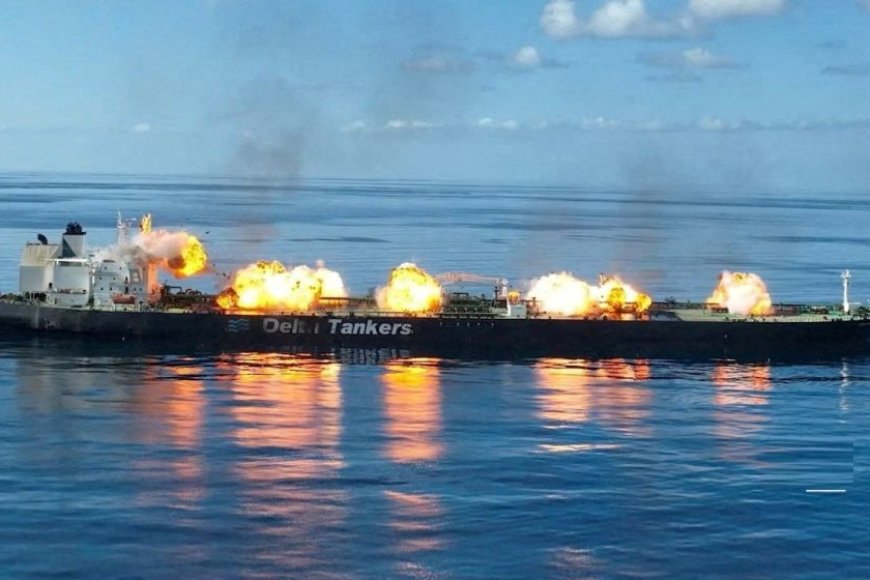
Trump Threatens 'Major Military Punishment' as Red Sea Tanker Attacks Send Oil Past $100

U.S. President Donald Trump has warned of direct, severe military action against Iran and its Yemeni allies after Houthi fighters struck two Saudi oil tankers in the Red Sea, expanding Middle East hostility to a second critical shipping chokepoint and driving global crude prices above $100 a barrel.
The strikes on the Saudi tankers Encelia and Layla mark a significant escalation, spreading maritime conflict beyond the Strait of Hormuz to the main sea routes of the Red Sea.
In response, Washington signaled an immediate willingness to intensify direct combat operations against Tehran.
"If they do this again, the U.S. will hold Iran responsible, in that the Houthis are a Surrogate and/or Proxy of Iran, and major military punishment will be inflicted upon Iran and, of course, the Houthis, themselves," Trump posted on social media.
Speaking to Axios, Trump revealed he is close to deciding on launching major combat operations inside Iran, adding, "They haven't received enough pain yet."
The expansion of the naval blockade sent global energy markets surging.
Brent crude rose more than 6 percent to cross the $100-per-barrel mark for the first time since May.
The Houthi strikes directly target Saudi Arabia’s strategic workaround—a overland pipeline system built to move millions of barrels daily to the Red Sea to bypass Iran's blockade in the Strait of Hormuz.
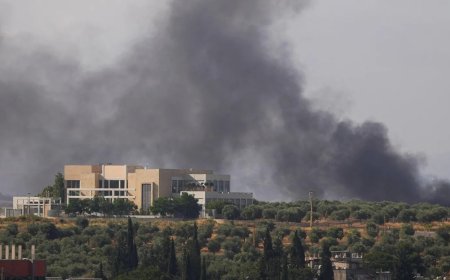
Maritime security sources confirmed that the Encelia broadcast a distress call on Wednesday after being hit by a missile near the Saudi port of Jizan, just north of the Yemeni border. Saudi state news agency SPA confirmed the impact caused a fire at the vessel's bow.
The sudden escalation follows two weeks after the effective breakdown of an interim truce.
The U.S. military conducted airstrikes on Iranian targets late Thursday and early Friday, marking a 13th consecutive night of bombardment.
Iranian state broadcaster IRIB reported four deaths and five injuries from a U.S. missile attack in the city of Ahvaz.
Tehran responded by firing missiles at neighboring Arab nations hosting U.S. military installations.
Iranian state media confirmed missile impacts on Qeshm Island along the Strait of Hormuz, while Tehran stated it launched attacks targeting a U.S. post in Kuwait.
Intelligence sources in Iran and Yemen disclosed that Iranian Revolutionary Guard commanders, military advisers, and drone and missile components were flown into Yemen days before the Houthis announced their Red Sea blockade.
Houthi leadership has denied these claims.
Economic fallout deepened after Trump suggested using frozen Iranian assets held in the U.S. to pay for all damage inflicted on international cargo vessels as "Iranian Money."
Iranian Foreign Minister Abbas Arachi forcefully rejected the statement on X, writing: "Seizing another nation's assets to pay for unrelated future claims is an incendiary precedent."
Arachi warned that normalizing such property seizures would lead to widespread disruption, adding, "Ensuing chaos will not be pretty or peaceful."