 English
 Kinyarwanda

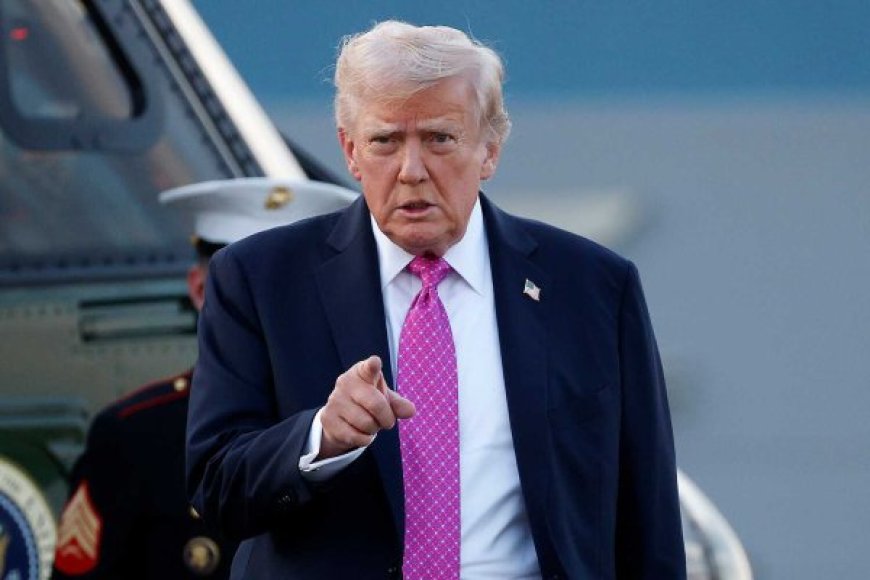
Trump Warns Iran Strikes Could Resume as Talks Raise Hopes

U.S. President Donald Trump said Monday, July 27 that Washington is making progress in talks with Iran but warned that American airstrikes would resume if negotiations fail, as fresh regional attacks threatened to undermine the fragile pause in fighting.
Speaking at the White House, Trump said the United States was engaged in productive discussions following its decision to halt a two-week air campaign against Iran on Saturday.
"We're having good talks," he said. "I think there's a good chance that something could happen, and if it does, good, if it doesn't, we go back to doing what we were doing two days ago."
Later, at a campaign rally in Michigan, Trump struck a tougher tone, saying:
"You can't bribe them. You've got to beat them, and we'll beat the hell out of them. But we'll see how it turns out. Right now, there are very friendly negotiations going on."
The pause in U.S. strikes was quickly tested. Saudi Arabia, Jordan and Iraq reported drone attacks on Monday, highlighting continued instability despite the diplomatic push.
Saudi Arabia said it intercepted drones targeting petroleum facilities, including sites in Riyadh. It blamed Iran-backed armed groups operating from Iraq and said it reserved the right to respond.
Meanwhile, Yemen's Iran-aligned Houthis claimed responsibility for an attack on Saudi Arabia's East-West Pipeline leading to the Red Sea port of Yanbu, describing it as retaliation for Saudi drone operations.
Iran signaled it remained open to diplomacy but rejected reports that it had sought renewed negotiations.
Foreign Ministry spokesman Esmail Baghaei said messages continued to pass through mediators and insisted Tehran had not abandoned diplomatic efforts, but dismissed claims that Iran had requested talks.
"This is not in our DNA," he said.
A senior Iranian official also said Tehran would suspend its own attacks as long as Trump's self-declared ceasefire remained in effect.
However, Iran's central military command accused the United States of threatening commercial ships and oil tankers in Iranian waters while attempting to impose what it called an illegal maritime blockade, describing the move as an escalation of the conflict.
Tehran also maintained that it remains in control of the Strait of Hormuz, the strategic shipping route through which a significant share of the world's oil supplies passes.
Financial markets reacted positively to the suspension of U.S. bombing. Oil prices fell sharply after 13 consecutive nights of airstrikes came to an end. U.S. crude dropped 8.21 percent to $81.98 per barrel, while Brent crude fell 9.31 per to $87.77 per barrel.