Uganda launches first African trial of mRNA Ebola vaccine
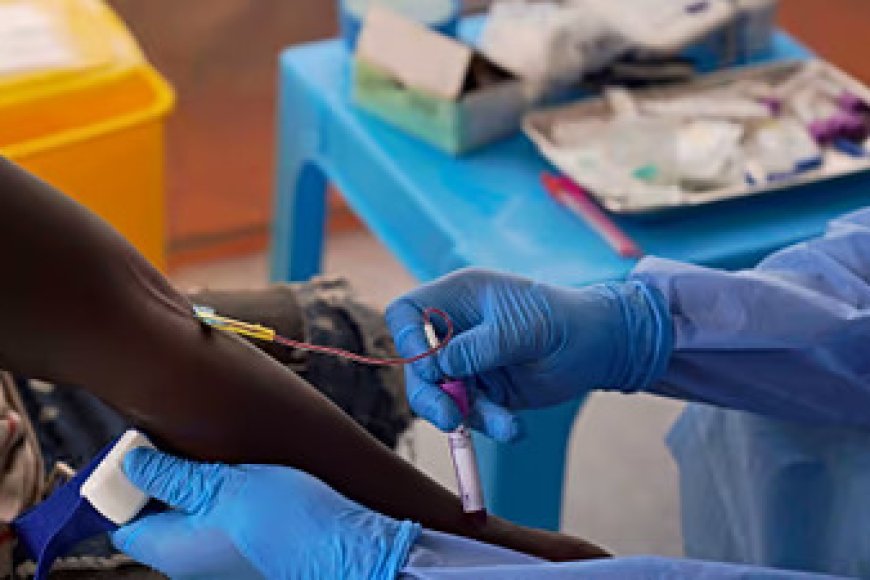
A healthcare worker collects a blood sample from a patient during medical testing. Photo: AP

Uganda launches first African trial of mRNA Ebola vaccine

Nov 28, 2026 - 14:09
 0

Uganda has launched Africa’s first clinical trial of an experimental mRNA vaccine against the Bundibugyo strain of Ebola, which is causing a major outbreak in neighbouring Democratic Republic of Congo (DRC).


The Uganda Virus Research Institute (UVRI) announced the launch on November 27, saying the trial is being conducted in partnership with US pharmaceutical company Moderna after approval by Uganda’s regulatory authorities.

The study, known as mRNA-1469-P102, will assess the vaccine’s safety and its ability to trigger an immune response in about 224 healthy volunteers aged between one and 65 years.

It will be the first time the vaccine is tested in children aged one year and above. Volunteers are now being screened and enrolled, and each participant will be followed for about one year after receiving the injection.

The trial is the second for Moderna’s vaccine. The first began enrolling adults aged 18 to 65 in Canada in August 2026 and is still ongoing.

Interim results from the Canadian study helped the World Health Organization’s independent Technical Advisory Group on Candidate Vaccines Prioritization recommend testing the vaccine in the DRC through a Phase 2/3 study known as the Tumaini ring vaccination trial.

Professor Pontiano Kaleebu, UVRI director and leader of the Uganda trial, said the research would support efforts to respond to the current outbreak and prepare for future ones.

“We are very pleased to conduct this trial to support the efforts to address the on-going outbreak in DRC and future outbreaks. We have worked very fast supported by the Ugandan regulators, the Ministry of Health, the local trial team together with the Moderna team the developers and Parexel the Clinical Research Organizations (CRO) in a collaborative approach to move this product into a trial in a very fast way”

The Coalition for Epidemic Preparedness Innovations (CEPI) is providing up to $58.5 million to Moderna to support the development of the vaccine.

CEPI chief executive Richard Hatchett said including children in the research was important because they are often among those most affected by Ebola outbreaks.

“Children are often among those hardest hit when Ebola strikes, yet they are too often the last to benefit from new vaccines.”

He added that collecting safety and immune-response data from children could help protect entire communities if later trials show the vaccine works.

Another experimental vaccine against the Bundibugyo strain, developed by the University of Oxford, is also being tested. Its ChAdOx1 vaccine trials began in the United Kingdom in July and Uganda in October 2026.

The research comes as the DRC battles an outbreak of the Bundibugyo strain, for which there is no approved vaccine.

According to the World Health Organization, the outbreak has caused more than 5,700 confirmed deaths among over 11,000 cases since it was declared in May.

Uganda was declared Ebola-free in August after recording 20 cases, including two deaths, following earlier imported infections.
Uganda launches first African trial of mRNA Ebola vaccine

Nov 28, 2026 - 14:09
Nov 28, 2026 - 14:55
 0
Uganda launches first African trial of mRNA Ebola vaccine
A healthcare worker collects a blood sample from a patient during medical testing. Photo: AP

Uganda has launched Africa’s first clinical trial of an experimental mRNA vaccine against the Bundibugyo strain of Ebola, which is causing a major outbreak in neighbouring Democratic Republic of Congo (DRC).


The Uganda Virus Research Institute (UVRI) announced the launch on November 27, saying the trial is being conducted in partnership with US pharmaceutical company Moderna after approval by Uganda’s regulatory authorities.

The study, known as mRNA-1469-P102, will assess the vaccine’s safety and its ability to trigger an immune response in about 224 healthy volunteers aged between one and 65 years.

It will be the first time the vaccine is tested in children aged one year and above. Volunteers are now being screened and enrolled, and each participant will be followed for about one year after receiving the injection.

The trial is the second for Moderna’s vaccine. The first began enrolling adults aged 18 to 65 in Canada in August 2026 and is still ongoing.

Interim results from the Canadian study helped the World Health Organization’s independent Technical Advisory Group on Candidate Vaccines Prioritization recommend testing the vaccine in the DRC through a Phase 2/3 study known as the Tumaini ring vaccination trial.

Professor Pontiano Kaleebu, UVRI director and leader of the Uganda trial, said the research would support efforts to respond to the current outbreak and prepare for future ones.

“We are very pleased to conduct this trial to support the efforts to address the on-going outbreak in DRC and future outbreaks. We have worked very fast supported by the Ugandan regulators, the Ministry of Health, the local trial team together with the Moderna team the developers and Parexel the Clinical Research Organizations (CRO) in a collaborative approach to move this product into a trial in a very fast way”

The Coalition for Epidemic Preparedness Innovations (CEPI) is providing up to $58.5 million to Moderna to support the development of the vaccine.

CEPI chief executive Richard Hatchett said including children in the research was important because they are often among those most affected by Ebola outbreaks.

“Children are often among those hardest hit when Ebola strikes, yet they are too often the last to benefit from new vaccines.”

He added that collecting safety and immune-response data from children could help protect entire communities if later trials show the vaccine works.

Another experimental vaccine against the Bundibugyo strain, developed by the University of Oxford, is also being tested. Its ChAdOx1 vaccine trials began in the United Kingdom in July and Uganda in October 2026.

The research comes as the DRC battles an outbreak of the Bundibugyo strain, for which there is no approved vaccine.

According to the World Health Organization, the outbreak has caused more than 5,700 confirmed deaths among over 11,000 cases since it was declared in May.

Uganda was declared Ebola-free in August after recording 20 cases, including two deaths, following earlier imported infections.