 English
 Kinyarwanda

US Strikes Iran After Helicopter Downed in Hormuz

U.S. forces stationed in the Middle East have initiated retaliatory strikes inside Iran after a U.S. surveillance aircraft was shot down over the Strait of Hormuz. Iran immediately launched a counteroffensive utilizing drones and missiles.
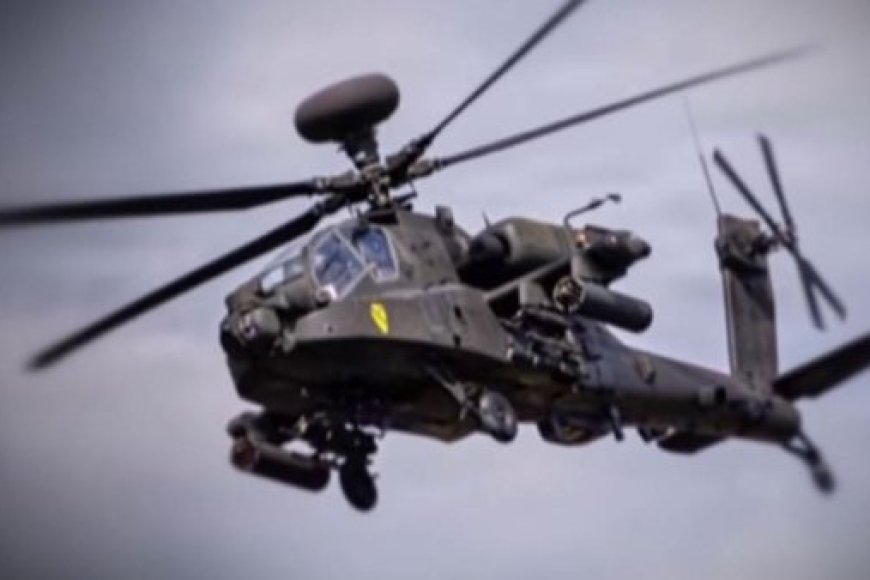
The downed aircraft, identified as an Apache helicopter, was struck on June 8. U.S. President Donald Trump ordered an immediate military response, despite confirmations that the two crew members aboard the helicopter were successfully rescued.
A statement released by the United States Central Command (CENTCOM) confirmed that the Commander-in-Chief authorized the retaliatory operations.
"U.S. Central Command forces have commenced defensive strikes inside Iran following directives from the Commander-in-Chief, in retaliation for yesterday’s attack that downed a U.S. aircraft. This operation responds to Iran’s unprovoked acts of aggression," the CENTCOM statement read.
President Trump reinforced the administration's stance, stating: "I think it is necessary to respond. They shot down a helicopter, and as we speak, we are responding."
According to reports by CNN, loud explosions echoed across southern Iran as U.S. forces initiated the bombardment. The strikes reportedly targeted Iranian air defense installations and radar systems.
In an interview with Al Jazeera, Iran’s Deputy Foreign Minister, Majid Takht-Ravanchi, denied that Tehran had premeditated the downing of the American aircraft.
"There was no planned attack by Iran against the U.S. aircraft [Apache helicopter] in the Hormuz airspace," Takht-Ravanchi said.
The Iranian official maintained that Tehran did not launch the strike, though he acknowledged that such incidents are a volatile byproduct of the ongoing conflict in the region.
The latest confrontation breaks a recently brokered 60-day truce between the two nations, which had already been marred by intermittent skirmishes.
The broader war involving the U.S. commenced on February 28. The conflict has severely impacted the global economy due to the disruption of the Strait of Hormuz—a critical maritime chokepoint through which major global trade and approximately 20 percent of the world's daily petroleum supply pass.