 English
 Kinyarwanda

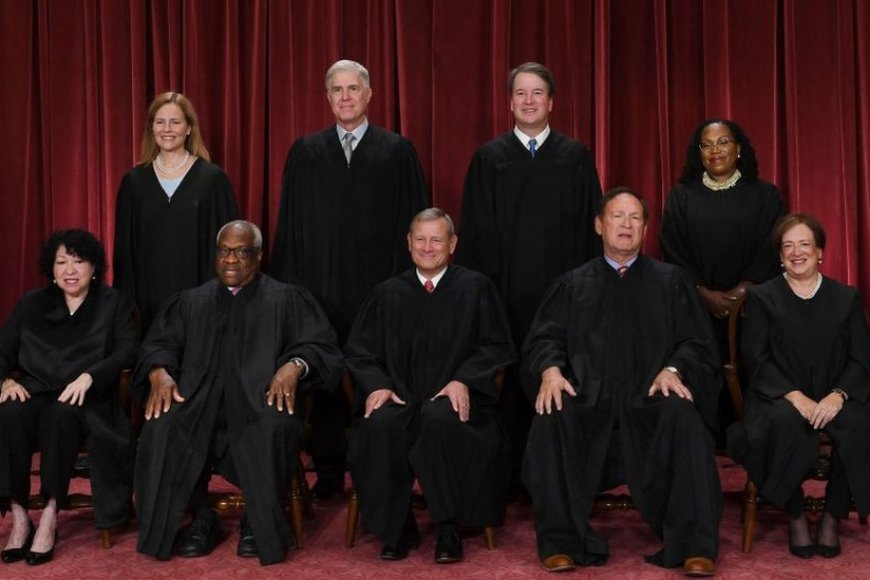
US Supreme Court Rejects Trump’s Order on Birthright Citizenship

The United States Supreme Court has rejected an executive order by President Donald Trump that denied citizenship rights to certain children born in the country.
President Trump signed the order in February 2025 as part of an effort to tighten immigration laws. The policy stated that children born in the United States to undocumented parents or parents with short-term visas should not receive automatic citizenship.
Opponents strongly condemned the order and took the matter to court to overturn it. They argued that the policy put more than 250,000 children born in the U.S. each year at risk.
In a majority decision, the justices ruled that the 14th Amendment of the U.S. Constitution must be upheld. The amendment was created after the Civil War to guarantee citizenship to Black people, especially the descendants of enslaved people.
However, the Supreme Court justices noted that this birthright citizenship does not apply to children born to foreign diplomats working in the United States.
"American citizenship has always been the right to have rights, to be free, and to participate in our political community," Chief Justice John Roberts said.
He added that the creators of the 14th Amendment gave this promise to everyone born free in the country, and the court is committed to keeping that promise today.
Three judges argued that Trump's order should have been enforced, but they were outnumbered by the majority.
During a court hearing in April 2026, which the President attended, all the judges had questioned whether the order followed the Constitution.
This Supreme Court ruling follows a separate decision by a high court in February, which blocked heavy tariffs Trump had placed on several countries.
Trump had accused those nations of taking unfair advantage of trade with the U.S. At the time, Trump called that court's decision unpatriotic and criticized the judges involved.