Police, Security Firms Deploy in South Africa Brace for Anti-Migrant Protests

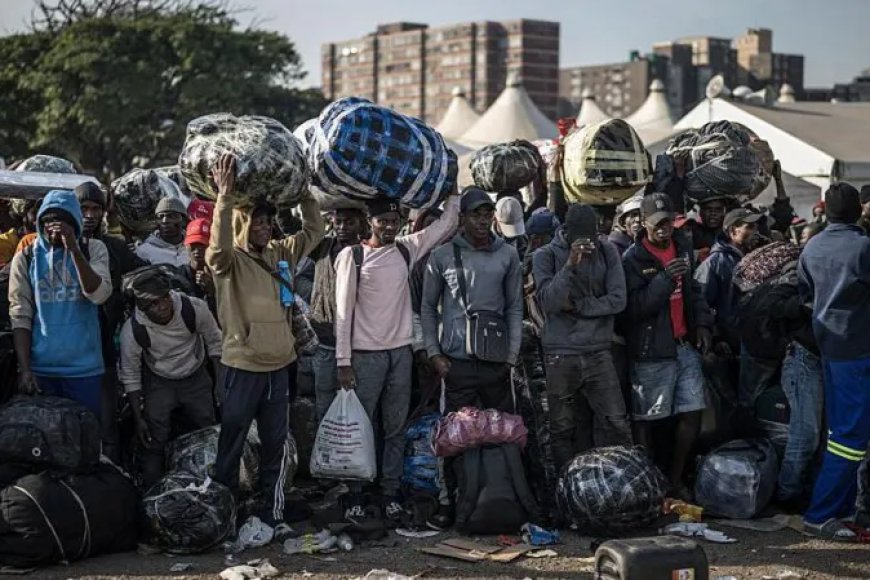
Migrants in Durban took buses to return home. Photo: Courtesy

Police, Security Firms Deploy in South Africa Brace for Anti-Migrant Protests

Jun 30, 2026 - 15:37
 0

South African police and private security firms was deployed across major cities on Tuesday, June 30, to prevent violence during planned anti-immigration protests following an unofficial deadline for undocumented foreigners to depart.


President Cyril Ramaphosa urged those planning to take part to do so without "intimidation, threats, or ultimatums" as coordinated demonstrations began nationwide. The planned protests marked an unofficial deadline set by campaigners for all undocumented foreigners to leave the country.

Many people have already fled to escape violence and intimidation. South African police said 25,000 people were repatriated so far, with most coming from other African countries.

One undocumented Malawian told the BBC he was "happy to be going back" but "heartbroken" to be leaving behind four young children.

Johannesburg, where one of the protests was planned, stayed unusually quiet. All shops in the vicinity of where marchers were due to gather closed, while police visibility was high on the city's major streets.

Police said that five people were arrested in Johannesburg's biggest township, Soweto, for allegedly robbery a foreign-owned shop.
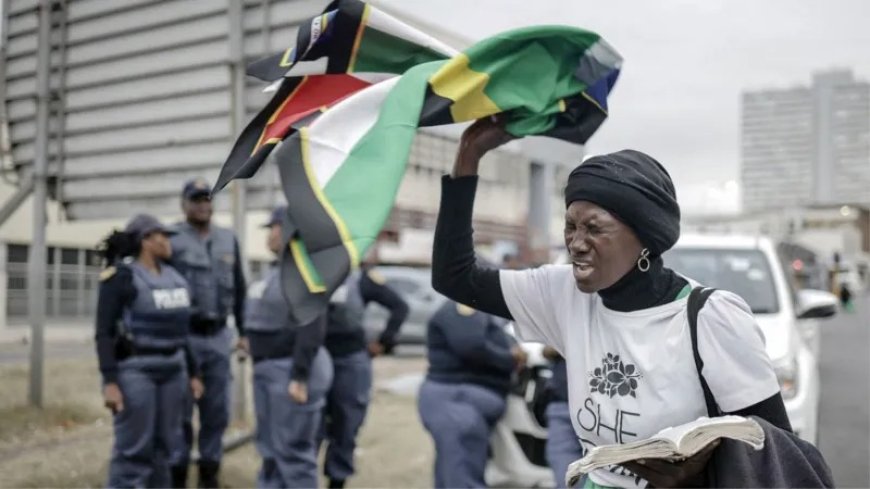
Police arrested five people for allegedly breaking into a tuck shop in Hammarsdale in KwaZulu-Natal province. Many businesses in central Durban, the main city in the province, stayed shut.

Ramaphosa repeatedly warned demonstrators to act peacefully and responsibly. He also accepted the need for immigration reforms.

"Some foreign nationals who live in South Africa are here lawfully," he reminded citizens in his weekly newsletter.

"They work, study, raise families, invest in our economy, and contribute positively to our society. They too are entitled to the protection of our laws and our Constitution," he wrote.

"The right to protest and freedom of expression does not allow people to threaten or intimidate others or to engage in acts of vandalism or violence," he added.

Official figures showed more than three million documented foreign nationals lived in South Africa. Thousands of migrants awaited processing in temporary camps for several weeks because they feared for their safety.

In Durban, authorities raced to clear a transit camp where some of the biggest protests occurred. Workers dismantled white tents that housed mostly Malawians.

Anti-migrant marches were authorized for Tuesday in Durban, Johannesburg, and other cities. Authorities warned organizers to ensure there was no violence and said they were prepared for any potential disruption.

Police said traditional weapons were not allowed. This could lead to tension because many protesters were ethnic Zulus who usually took shields, whips, and sticks to marches.

Government figures showed more than 12,000 immigrants were deported or repatriated since the protests began earlier this year. Ghana, Malawi, Mozambique, Nigeria, and Zimbabwe organized travel by air or bus over the last few weeks.

About 3,500 foreigners volunteered to leave. South African authorities claimed more than 500 Nigerians who were repatriated did not have the correct papers, which Nigeria disputed.

Xenophobia remained a long-standing issue in South Africa and sometimes led to violence. In Durban, migrants took buses to return home.

The African Centre for Migration and Society's tracker, Xenowatch, reported that two people died this year. In 2008, more than 60 people died during a wave of rioting against non-South Africans.
Police, Security Firms Deploy in South Africa Brace for Anti-Migrant Protests

Jun 30, 2026 - 15:37
Jun 30, 2026 - 15:41
 0
Police, Security Firms Deploy in South Africa Brace for Anti-Migrant Protests
Migrants in Durban took buses to return home. Photo: Courtesy

South African police and private security firms was deployed across major cities on Tuesday, June 30, to prevent violence during planned anti-immigration protests following an unofficial deadline for undocumented foreigners to depart.


President Cyril Ramaphosa urged those planning to take part to do so without "intimidation, threats, or ultimatums" as coordinated demonstrations began nationwide. The planned protests marked an unofficial deadline set by campaigners for all undocumented foreigners to leave the country.

Many people have already fled to escape violence and intimidation. South African police said 25,000 people were repatriated so far, with most coming from other African countries.

One undocumented Malawian told the BBC he was "happy to be going back" but "heartbroken" to be leaving behind four young children.

Johannesburg, where one of the protests was planned, stayed unusually quiet. All shops in the vicinity of where marchers were due to gather closed, while police visibility was high on the city's major streets.

Police said that five people were arrested in Johannesburg's biggest township, Soweto, for allegedly robbery a foreign-owned shop.

Police arrested five people for allegedly breaking into a tuck shop in Hammarsdale in KwaZulu-Natal province. Many businesses in central Durban, the main city in the province, stayed shut.

Ramaphosa repeatedly warned demonstrators to act peacefully and responsibly. He also accepted the need for immigration reforms.

"Some foreign nationals who live in South Africa are here lawfully," he reminded citizens in his weekly newsletter.

"They work, study, raise families, invest in our economy, and contribute positively to our society. They too are entitled to the protection of our laws and our Constitution," he wrote.

"The right to protest and freedom of expression does not allow people to threaten or intimidate others or to engage in acts of vandalism or violence," he added.

Official figures showed more than three million documented foreign nationals lived in South Africa. Thousands of migrants awaited processing in temporary camps for several weeks because they feared for their safety.

In Durban, authorities raced to clear a transit camp where some of the biggest protests occurred. Workers dismantled white tents that housed mostly Malawians.

Anti-migrant marches were authorized for Tuesday in Durban, Johannesburg, and other cities. Authorities warned organizers to ensure there was no violence and said they were prepared for any potential disruption.

Police said traditional weapons were not allowed. This could lead to tension because many protesters were ethnic Zulus who usually took shields, whips, and sticks to marches.

Government figures showed more than 12,000 immigrants were deported or repatriated since the protests began earlier this year. Ghana, Malawi, Mozambique, Nigeria, and Zimbabwe organized travel by air or bus over the last few weeks.

About 3,500 foreigners volunteered to leave. South African authorities claimed more than 500 Nigerians who were repatriated did not have the correct papers, which Nigeria disputed.

Xenophobia remained a long-standing issue in South Africa and sometimes led to violence. In Durban, migrants took buses to return home.

The African Centre for Migration and Society's tracker, Xenowatch, reported that two people died this year. In 2008, more than 60 people died during a wave of rioting against non-South Africans.