
US Waives Iran Sanctions in 60-Day Peace Roadmap As Trump warns Iran to comply with agreement

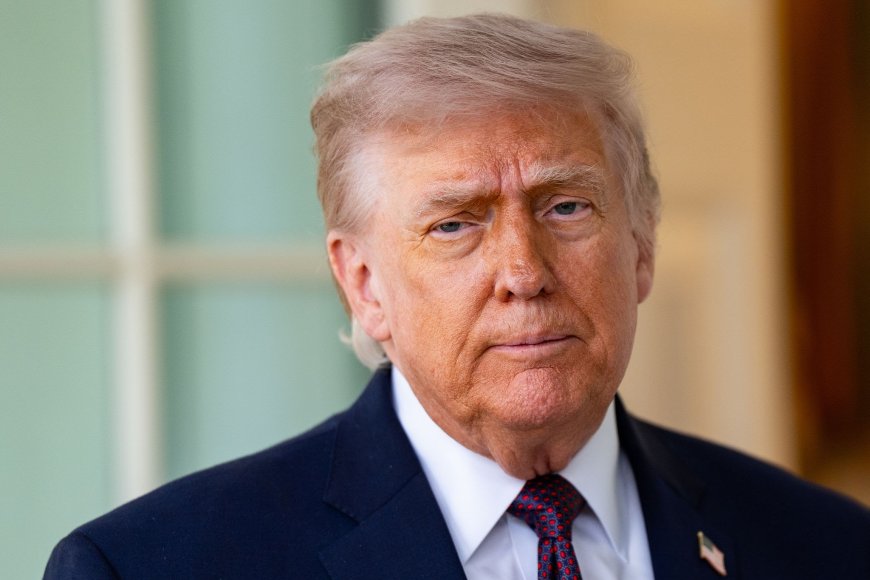
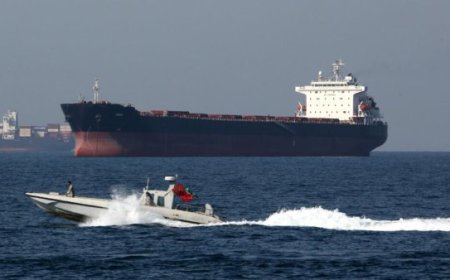
U.S. waived economic sanctions, stating he will "do what I have to do" if Iran fails to comply with the new 60-day peace roadmap. Photo: Courtesy

US Waives Iran Sanctions in 60-Day Peace Roadmap As Trump warns Iran to comply with agreement

Jun 23, 2026 - 08:54
 0

The United States has waived economic sanctions against Iran for 60 days on Monday, June 22 following high-level peace talks in Buergenstock, Switzerland, establishing a roadmap toward a permanent treaty while U.S. President Donald Trump warned of immediate retaliation if Tehran violates the agreement.


The fast-moving diplomatic breakthrough, aimed at building on an interim deal signed last week, concluded early on Monday at the Qatari-owned Swiss mountain resort.

Mediators Pakistan and Qatar confirmed the two sides agreed to a 60-day timeline to negotiate a final pact.

As the first step toward economic relief, the U.S. Treasury announced a sanctions waiver lasting until August 21, permitting Tehran to sell oil and related products and receive international payments.

However, enforcement friction emerged immediately. President Trump issued a warning regarding the enforcement of the timeline.

"If Iran doesn't live up to their agreement, or if they're not behaving, I will do what I have to do," Trump told reporters.

The warning followed a post by Trump on Truth Social stating that Iran will agree to weapons inspections to ensure "nuclear honesty."

U.S. Vice President JD Vance noted that Tehran had agreed to admit nuclear inspectors, manage ceasefires, and establish mechanisms to handle its frozen foreign assets.

"We laid a very good foundation for a successful final deal," Vance told reporters after participating in the sessions.

In contrast, Iran disputed the scope of the agreement.

Iranian Foreign Ministry spokesperson Esmaeil Baghaei told the official IRNA news agency that Iran had not yet discussed nuclear issues or made any new commitments.

Tehran has severely restricted International Atomic Energy Agency (IAEA) access since a round of U.S. and Israeli air strikes last year, suspending them completely when full-scale war erupted in February. Iran maintains its nuclear program is entirely peaceful.

A second dispute arose over billions of dollars in frozen Iranian funds.

Iranian Foreign Minister Abbas Araqchi stated on social media that Tehran secured oil export waivers, the release of frozen assets, and a national reconstruction plan.

Vance explained that White House envoy Jared Kushner designed a mechanism giving the U.S. and Qatar control over the unfrozen assets, structuring the accounts so funds must be spent on American agricultural commodities.

"So, the money that we lift is going to go to our farmers," Trump told reporters.

However, Iran's Central Bank Governor Abdolnaser Hemmati quickly denied that restriction. Hemmati told the Tasnim news agency there was no such obligation, asserting that the remaining funds could be used to purchase other non-sanctioned goods.

The Swiss talks also produced a critical security mechanism to end fighting in Lebanon between Israel and Iran-aligned Hezbollah. A direct communications line was also opened to secure commercial shipping through the strategic Strait of Hormuz.

While Israel was not a direct party to the Buergenstock peace agreement, it agreed to a separate ceasefire in Lebanon on Friday. Intense fighting continued for an additional day but abated by Saturday night, giving way to what officials described as an ongoing break in the conflict.

Israel clarified it will maintain a security zone in southern Lebanon and continue operating to neutralize threats against Israeli soldiers and citizens.
US Waives Iran Sanctions in 60-Day Peace Roadmap As Trump warns Iran to comply with agreement

Jun 23, 2026 - 08:54
 0
US Waives Iran Sanctions in 60-Day Peace Roadmap As Trump warns Iran to comply with agreement
U.S. waived economic sanctions, stating he will "do what I have to do" if Iran fails to comply with the new 60-day peace roadmap. Photo: Courtesy

The United States has waived economic sanctions against Iran for 60 days on Monday, June 22 following high-level peace talks in Buergenstock, Switzerland, establishing a roadmap toward a permanent treaty while U.S. President Donald Trump warned of immediate retaliation if Tehran violates the agreement.


The fast-moving diplomatic breakthrough, aimed at building on an interim deal signed last week, concluded early on Monday at the Qatari-owned Swiss mountain resort.

Mediators Pakistan and Qatar confirmed the two sides agreed to a 60-day timeline to negotiate a final pact.

As the first step toward economic relief, the U.S. Treasury announced a sanctions waiver lasting until August 21, permitting Tehran to sell oil and related products and receive international payments.

However, enforcement friction emerged immediately. President Trump issued a warning regarding the enforcement of the timeline.

"If Iran doesn't live up to their agreement, or if they're not behaving, I will do what I have to do," Trump told reporters.

The warning followed a post by Trump on Truth Social stating that Iran will agree to weapons inspections to ensure "nuclear honesty."

U.S. Vice President JD Vance noted that Tehran had agreed to admit nuclear inspectors, manage ceasefires, and establish mechanisms to handle its frozen foreign assets.

"We laid a very good foundation for a successful final deal," Vance told reporters after participating in the sessions.

In contrast, Iran disputed the scope of the agreement.

Iranian Foreign Ministry spokesperson Esmaeil Baghaei told the official IRNA news agency that Iran had not yet discussed nuclear issues or made any new commitments.

Tehran has severely restricted International Atomic Energy Agency (IAEA) access since a round of U.S. and Israeli air strikes last year, suspending them completely when full-scale war erupted in February. Iran maintains its nuclear program is entirely peaceful.

A second dispute arose over billions of dollars in frozen Iranian funds.

Iranian Foreign Minister Abbas Araqchi stated on social media that Tehran secured oil export waivers, the release of frozen assets, and a national reconstruction plan.

Vance explained that White House envoy Jared Kushner designed a mechanism giving the U.S. and Qatar control over the unfrozen assets, structuring the accounts so funds must be spent on American agricultural commodities.

"So, the money that we lift is going to go to our farmers," Trump told reporters.

However, Iran's Central Bank Governor Abdolnaser Hemmati quickly denied that restriction. Hemmati told the Tasnim news agency there was no such obligation, asserting that the remaining funds could be used to purchase other non-sanctioned goods.

The Swiss talks also produced a critical security mechanism to end fighting in Lebanon between Israel and Iran-aligned Hezbollah. A direct communications line was also opened to secure commercial shipping through the strategic Strait of Hormuz.

While Israel was not a direct party to the Buergenstock peace agreement, it agreed to a separate ceasefire in Lebanon on Friday. Intense fighting continued for an additional day but abated by Saturday night, giving way to what officials described as an ongoing break in the conflict.

Israel clarified it will maintain a security zone in southern Lebanon and continue operating to neutralize threats against Israeli soldiers and citizens.