
Trump Weighs Iran Ceasefire Deal But Demands Immediate Opening of Hormuz Strait

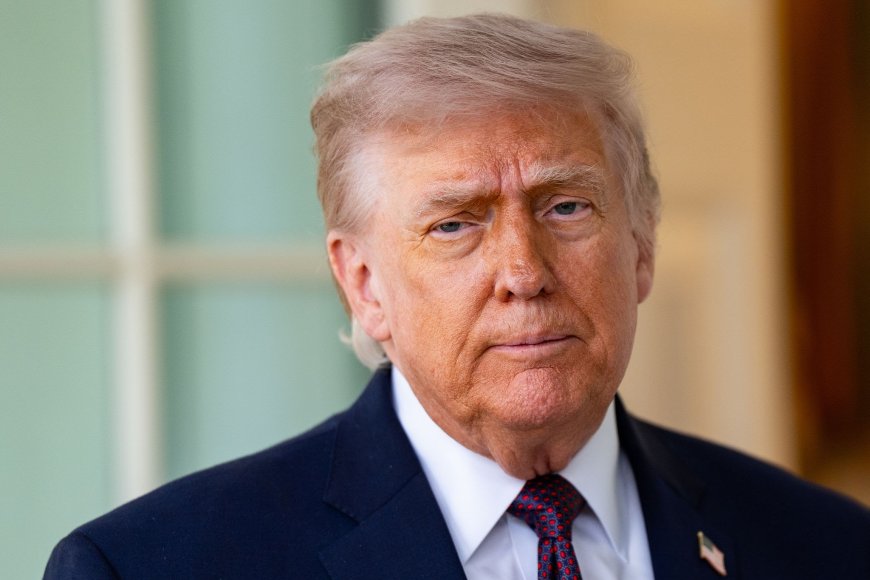
U.S. President Donald Trump

Trump Weighs Iran Ceasefire Deal But Demands Immediate Opening of Hormuz Strait

May 30, 2026 - 11:02
 0

U.S. President Donald Trump said on May 29, he will soon decide whether to extend a temporary ceasefire with Iran for another 60 days, while demanding that Tehran immediately surrender its chokehold on the critical Strait of Hormuz and dismantle its nuclear program.


The proposed deal aims to extend an early-April truce to grant negotiators more time to forge a permanent end to the war.

On Friday morning, Trump convened a high-stakes, two-hour meeting with officials in the secure White House Situation Room to reach a “final determination” on the proposal.

Following the closed-door meeting, a White House official declined to reveal if a definitive choice had been made, but emphasized the administration's strict boundaries.

“President Trump will only make a deal that is good for America and satisfies his redlines. Iran can never possess a nuclear weapon,” the official said.

Major friction points remain between the two nations, particularly regarding maritime security and nuclear compliance. Trump publicly issued an explicit ultimatum to Tehran regarding international shipping lanes and its weapons capabilities.

“Iran must agree that they will never have a Nuclear Weapon or Bomb. The Hormuz Strait must be immediately open, no tolls, for unrestricted shipping traffic, in both directions,” Trump said, warning that any hidden nuclear material would be “unearthed” by the U.S.

Iranian officials quickly dismissed Trump's rhetoric. The semi-official Fars news agency, citing internal sources, labeled the U.S. President's comments an “attempt to portray a fabricated victory.”

Furthermore, Iran rejected the idea that its nuclear program was up for negotiation. A senior Iranian source, speaking on condition of anonymity, told Reuters that the potential deal does not include any nuclear-related issues.

Regarding maritime control, Iran's Foreign Ministry spokesperson Esmaeil Baghaei stated on state TV that the management of the strait must be decided by Iran and Oman.

According to Fars, an agreement had been reached to release $12 billion of Iran's frozen assets, adding that the shipping strait would only be reopened under Tehran's conditions after the U.S. lifts its current blockade on Iranian ships.

Treasury Secretary Scott Bessent noted that the American blockade would be removed slowly if it happens.

Trump further complicated the financial timeline by stating that no money would be exchanged “until further notice” — a remark likely targeting Iran’s demands for asset releases, toll payments in the strait, or war damage reparations.

Trump Weighs Iran Ceasefire Deal But Demands Immediate Opening of Hormuz Strait

May 30, 2026 - 11:02
 0
Trump Weighs Iran Ceasefire Deal But Demands Immediate Opening of Hormuz Strait
U.S. President Donald Trump

U.S. President Donald Trump said on May 29, he will soon decide whether to extend a temporary ceasefire with Iran for another 60 days, while demanding that Tehran immediately surrender its chokehold on the critical Strait of Hormuz and dismantle its nuclear program.


The proposed deal aims to extend an early-April truce to grant negotiators more time to forge a permanent end to the war.

On Friday morning, Trump convened a high-stakes, two-hour meeting with officials in the secure White House Situation Room to reach a “final determination” on the proposal.

Following the closed-door meeting, a White House official declined to reveal if a definitive choice had been made, but emphasized the administration's strict boundaries.

“President Trump will only make a deal that is good for America and satisfies his redlines. Iran can never possess a nuclear weapon,” the official said.

Major friction points remain between the two nations, particularly regarding maritime security and nuclear compliance. Trump publicly issued an explicit ultimatum to Tehran regarding international shipping lanes and its weapons capabilities.

“Iran must agree that they will never have a Nuclear Weapon or Bomb. The Hormuz Strait must be immediately open, no tolls, for unrestricted shipping traffic, in both directions,” Trump said, warning that any hidden nuclear material would be “unearthed” by the U.S.

Iranian officials quickly dismissed Trump's rhetoric. The semi-official Fars news agency, citing internal sources, labeled the U.S. President's comments an “attempt to portray a fabricated victory.”

Furthermore, Iran rejected the idea that its nuclear program was up for negotiation. A senior Iranian source, speaking on condition of anonymity, told Reuters that the potential deal does not include any nuclear-related issues.

Regarding maritime control, Iran's Foreign Ministry spokesperson Esmaeil Baghaei stated on state TV that the management of the strait must be decided by Iran and Oman.

According to Fars, an agreement had been reached to release $12 billion of Iran's frozen assets, adding that the shipping strait would only be reopened under Tehran's conditions after the U.S. lifts its current blockade on Iranian ships.

Treasury Secretary Scott Bessent noted that the American blockade would be removed slowly if it happens.

Trump further complicated the financial timeline by stating that no money would be exchanged “until further notice” — a remark likely targeting Iran’s demands for asset releases, toll payments in the strait, or war damage reparations.