
Nigeria seeks compensation for property left by citizens in South Africa

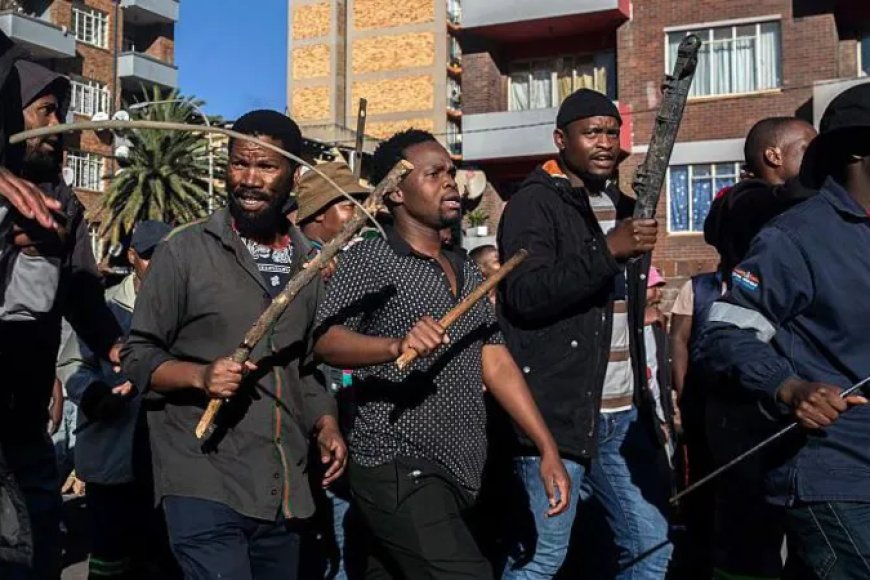
Marches held on Tuesday, June 30, were mostly peaceful but included isolated incidents of violence. Photo: Courtesy

Nigeria seeks compensation for property left by citizens in South Africa

Jul 2, 2026 - 16:17
 0

The Nigerian government announced Tuesday, June 30, that it will demand payment from South Africa for assets left behind by its nationals who fled the country to escape recent violent protests against migrants.


Foreign ministry spokesperson Kimiebi Imomotimi Ebienfa told the BBC that the issue would be discussed between the two governments "at the highest levels".

Acting High Commissioner Alexander Ajayi stated on television Tuesday, June 30, that officials started making a list of the shops and homes Nigerians left behind.

Thousands of people from across Africa escaped South Africa lately because they feared attacks.
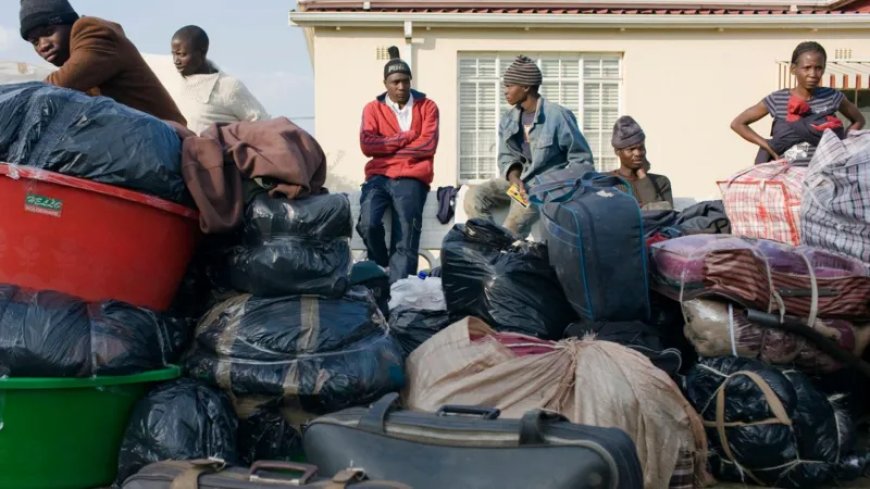
One trader waiting to be repatriated told the BBC he lived there for ten years but left his shop and house to stay safe.

South African officials claimed those returning home lived in the country illegally, but Nigeria disputed this.

Around 25,000 people from other African nations left South Africa after protests broke out. Groups pressured the government to stop illegal migration.

Anti-migrant groups had set a deadline of Tuesday, June 30, for undocumented people to leave.

Police arrested about 900 people for looting and immigration crimes.

The BBC asked the South African government to respond to the demand for compensation.

Nigeria's acting high commissioner Ajayi told those leaving "to document very accurately those things they were leaving behind in terms of businesses, in terms of even cars, movable and immovable properties".

Foreign ministry spokesperson Ebienfa told the BBC that the government will check all claims before asking for payment.

"We have not severed ties with South Africa, we are still engaging them at the highest level, we will sort those details using our usual diplomatic channels," he said.

Nigeria seeks compensation for property left by citizens in South Africa

Jul 2, 2026 - 16:17
Jul 2, 2026 - 16:34
 0
Nigeria seeks compensation for property left by citizens in South Africa
Marches held on Tuesday, June 30, were mostly peaceful but included isolated incidents of violence. Photo: Courtesy

The Nigerian government announced Tuesday, June 30, that it will demand payment from South Africa for assets left behind by its nationals who fled the country to escape recent violent protests against migrants.


Foreign ministry spokesperson Kimiebi Imomotimi Ebienfa told the BBC that the issue would be discussed between the two governments "at the highest levels".

Acting High Commissioner Alexander Ajayi stated on television Tuesday, June 30, that officials started making a list of the shops and homes Nigerians left behind.

Thousands of people from across Africa escaped South Africa lately because they feared attacks.

One trader waiting to be repatriated told the BBC he lived there for ten years but left his shop and house to stay safe.

South African officials claimed those returning home lived in the country illegally, but Nigeria disputed this.

Around 25,000 people from other African nations left South Africa after protests broke out. Groups pressured the government to stop illegal migration.

Anti-migrant groups had set a deadline of Tuesday, June 30, for undocumented people to leave.

Police arrested about 900 people for looting and immigration crimes.

The BBC asked the South African government to respond to the demand for compensation.

Nigeria's acting high commissioner Ajayi told those leaving "to document very accurately those things they were leaving behind in terms of businesses, in terms of even cars, movable and immovable properties".

Foreign ministry spokesperson Ebienfa told the BBC that the government will check all claims before asking for payment.

"We have not severed ties with South Africa, we are still engaging them at the highest level, we will sort those details using our usual diplomatic channels," he said.