
Trump Calls Iran's Peace Terms 'Totally Unacceptable'

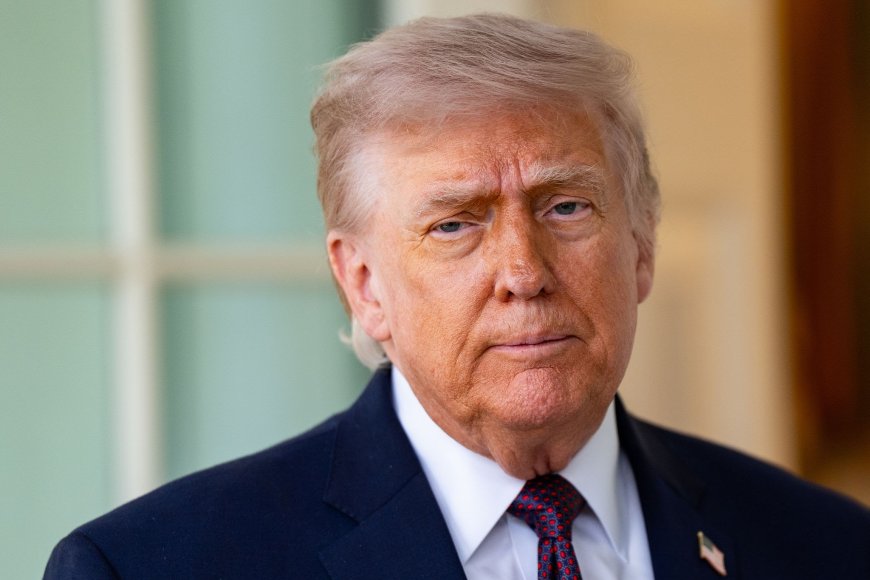
U.S. President Donald Trump

Trump Calls Iran's Peace Terms 'Totally Unacceptable'

May 11, 2026 - 12:01
 0

President Donald Trump has dismissed Iran’s response to U.S. proposals to end the war as “totally unacceptable,” criticizing Tehran’s counter-terms for a permanent peace.


The rejection, delivered via social media on Sunday, May 10, threatens a fragile ceasefire that has been in place since last month following massive U.S. and Israeli air strikes launched against Iran on February 28.

“I have just read the response from Iran's so-called 'Representatives.' I don't like it - totally unacceptable,” Trump posted on Truth Social.

The diplomatic deadlock comes after the U.S. issued a one-page, 14-point memorandum.

Reported by Axios, the U.S. terms include a suspension of Iranian nuclear enrichment, the lifting of sanctions, and the restoration of free transit through the Strait of Hormuz.

Iran’s counter-proposal, delivered through Pakistan as a mediator, demanded an immediate end to the war on all fronts and a halt to the U.S. naval blockade of Iranian ports.

Tehran is also seeking guarantees against further attacks, compensation for war damages, and a formal recognition of Iranian sovereignty over the Strait of Hormuz.

Iranian President Masoud Pezeshkian said on Sunday that “We will never bow our heads before the enemy, and if talk of dialogue or negotiation arises, it does not mean surrender or retreat,” he said.

Despite the current ceasefire being largely observed, Israeli Prime Minister Benjamin Netanyahu signaled that military objectives remain unfulfilled.

Speaking on CBS's 60 Minutes show, Netanyahu insisted that Iran’s stockpile of enriched uranium must be “taken out” before the conflict can conclude.

“There's still enrichment sites that have to be dismantled,” Netanyahu said.

In the same interview, Netanyahu made a surprise call to end U.S. financial aid to the Israeli military over the next ten years.

“We receive $3.8 billion a year. And I think that it's time that we weaned ourselves from the remaining military support,” he said. “Let's start now and do it over the next decade.”

Economic and Military Pressure

The U.S. continues to enforce a naval blockade on Iranian ports to pressure Tehran, a move that has angered Iran's leaders.

In retaliation, Iran has continued to block the strategic Strait of Hormuz.

The maritime standoff has triggered a spike in global oil prices.

The strait is a critical chokepoint for the global economy, as approximately 20 per cent of the world's oil and liquefied natural gas passes through the waterway.

While Trump repeated earlier this week that the war will be “over quickly,” the distance between Washington’s 14 points and Tehran’s demands suggests a swift resolution remains vague.
Trump Calls Iran's Peace Terms 'Totally Unacceptable'

May 11, 2026 - 12:01
May 11, 2026 - 12:46
 0
Trump Calls Iran's Peace Terms 'Totally Unacceptable'
U.S. President Donald Trump

President Donald Trump has dismissed Iran’s response to U.S. proposals to end the war as “totally unacceptable,” criticizing Tehran’s counter-terms for a permanent peace.


The rejection, delivered via social media on Sunday, May 10, threatens a fragile ceasefire that has been in place since last month following massive U.S. and Israeli air strikes launched against Iran on February 28.

“I have just read the response from Iran's so-called 'Representatives.' I don't like it - totally unacceptable,” Trump posted on Truth Social.

The diplomatic deadlock comes after the U.S. issued a one-page, 14-point memorandum.

Reported by Axios, the U.S. terms include a suspension of Iranian nuclear enrichment, the lifting of sanctions, and the restoration of free transit through the Strait of Hormuz.

Iran’s counter-proposal, delivered through Pakistan as a mediator, demanded an immediate end to the war on all fronts and a halt to the U.S. naval blockade of Iranian ports.

Tehran is also seeking guarantees against further attacks, compensation for war damages, and a formal recognition of Iranian sovereignty over the Strait of Hormuz.

Iranian President Masoud Pezeshkian said on Sunday that “We will never bow our heads before the enemy, and if talk of dialogue or negotiation arises, it does not mean surrender or retreat,” he said.

Despite the current ceasefire being largely observed, Israeli Prime Minister Benjamin Netanyahu signaled that military objectives remain unfulfilled.

Speaking on CBS's 60 Minutes show, Netanyahu insisted that Iran’s stockpile of enriched uranium must be “taken out” before the conflict can conclude.

“There's still enrichment sites that have to be dismantled,” Netanyahu said.

In the same interview, Netanyahu made a surprise call to end U.S. financial aid to the Israeli military over the next ten years.

“We receive $3.8 billion a year. And I think that it's time that we weaned ourselves from the remaining military support,” he said. “Let's start now and do it over the next decade.”

Economic and Military Pressure

The U.S. continues to enforce a naval blockade on Iranian ports to pressure Tehran, a move that has angered Iran's leaders.

In retaliation, Iran has continued to block the strategic Strait of Hormuz.

The maritime standoff has triggered a spike in global oil prices.

The strait is a critical chokepoint for the global economy, as approximately 20 per cent of the world's oil and liquefied natural gas passes through the waterway.

While Trump repeated earlier this week that the war will be “over quickly,” the distance between Washington’s 14 points and Tehran’s demands suggests a swift resolution remains vague.