 English
 Kinyarwanda
How Genocide Convicts Found Peace in Rwanda
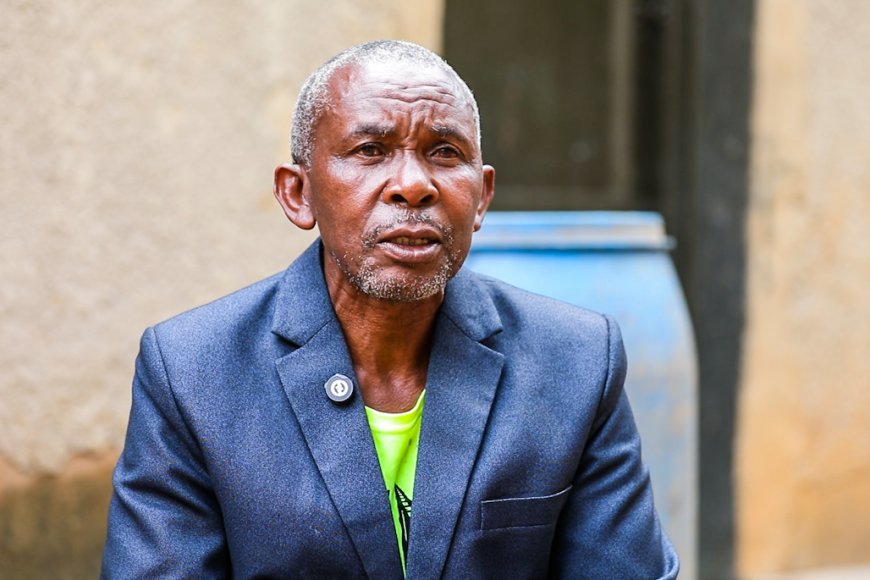
For years after his release from prison, Gatanazi Innocent crimes from Kabeza Village in Bugesera District could not sleep peacefully. A former inmate was haunted by memories of the crimes he committed during the 1994 Genocide against the Tutsi. Even after serving part of a 12-year sentence handed down by Gacaca courts, shame and fear followed him back into the community he once helped destroy.
“I participated in the attacks. I killed people,” Gatanazi said quietly. “Because of those actions, it was only right that I was captured and imprisoned.”
Arrested in 1995 and released in 2003 after serving part of his sentence through community service (TIG), Gatanazi returned home believing forgiveness was impossible.
“Given what I had done, I thought I deserved life imprisonment,” he said.
Living among survivors was unbearable. Every encounter reminded him of the pain he had caused.
“Imagine telling someone face-to-face, ‘I killed your loved one.’ I felt so small,” he recalled. “Whenever I met people, I had hurt, I was paralysed by shame.”
His transformation began during “Ingando” reintegration camps, where former inmates are taught civic education, reconciliation, and coexistence. Facilitators urged convicts not to avoid survivors, but to confront the truth and seek genuine forgiveness.
“We were told: ‘Do not run away from the people we harmed. If you avoid them, you have not truly healed,’” Gatanazi said.
Still, returning home remained difficult. Many released convicts, including Gatanazi, struggled with isolation, guilt, and fear of rejection despite the lessons learned in prison programmes.
A turning point came through Mvurankuvure, a community-based healing initiative supported by partner organisations working with the Ministry of National Unity and Civic Engagement (MINUBUMWE). The programme brings together survivors, perpetrators, and their families to encourage truth-telling, collective healing, and reconciliation.
During one session, Gatanazi listened as a survivor, Mukaremera, spoke about losing her younger sister during the genocide. Suddenly, he realised he had participated in the killing.
“When she finished speaking, I stood up,” he recalled. “I told her: ‘I know that person. I played a role in her death.’” Then he asked for forgiveness.
To his surprise, Mukaremera forgave him immediately.
“She told me, ‘Since you had the courage to tell me the truth, I forgive you,’” he said.
For Gatanazi, the moment changed everything.
“That night, I finally slept,” he said. “Before that, my heart was a battlefield. To hear someone say, ‘I forgive you,’ felt like a miracle.”
Click on the video below to watch Gatanazi's full testimony.
The nightmares that had tormented him for years slowly disappeared.
“I used to dream about the trucks we used during the killings. I would wake up terrified,” he said. “Now, that has changed.”
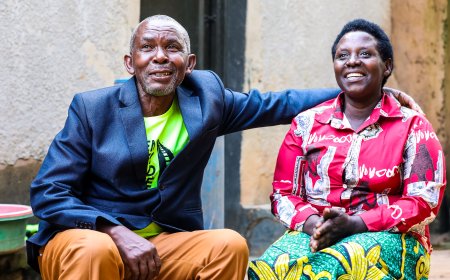
Today, Gatanazi says he lives peacefully alongside survivors in his community.
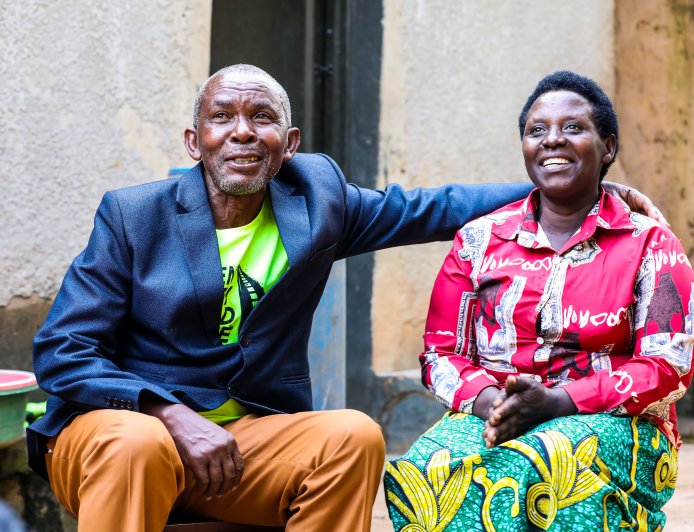
“We meet, we talk, we visit each other,” he said. “Sometimes she prepares food for me and I eat with her family. We live together as Rwandans should, without bitterness.”
He says forgiveness removed the fear he once carried every day.
“When someone forgives you, they do not do it halfway,” he said. “I no longer live with anxiety.”
Rwanda’s Reintegration Challenge
Gatanazi’s story reflects Rwanda’s broader effort to rebuild communities torn apart by genocide.
More than 120,000 people were imprisoned for genocide-related crimes after 1994. According to MINUBUMWE, tens of thousands have since been released, with more than 1,000 former convicts returning to communities every year since 2018. As of March 2025, about 17,000 genocide convicts were still serving sentences.
As releases continue, Rwandan authorities and civil society organisations are increasingly focusing on rehabilitation and reintegration programmes aimed at preventing isolation and rebuilding trust.
During a parliamentary meeting on April 25, 2025, lawmakers from the Committee on Unity, Human Rights and Fight against Genocide called for a stronger and more holistic reintegration framework for released convicts.
Programmes such as Ingando and community healing initiatives led by organisations including Prison Fellowship Rwanda and Dignity in Detention provide psychosocial support, civic education, and reconciliation training both inside correctional facilities and after release.
Prison Fellowship Rwanda says its partnership with the government has supported nearly 79,000 inmates since 2010.
In September 2025, Rwanda inaugurated the Social Reintegration Centre, a halfway home designed to ease the transition of former inmates back into society. With the capacity to accommodate 2,500 people, the facility provides vocational skills training, family reunification support, and community engagement programmes aimed at reducing recidivism and promoting successful reintegration.
In March 2025, MINUBUMWE also launched a new rehabilitation programme targeting inmates nearing release, focusing on psychosocial healing, emotional recovery, and civic education before they return to society. The programme has already completed seven cohots, benefiting more than 2,100 inmates.
For former convicts like Gatanazi, such programmes have become essential not only for reintegration, but also for personal healing.
“Speaking the truth gave me peace,” he said. “Without that, I would still be imprisoned in my own heart.”
More than three decades after the Genocide against the Tutsi, Rwanda’s reconciliation journey continues to rely not only on justice, but also on truth-telling, forgiveness, and community healing. For former convicts like Gatanazi, reintegration programmes have become a path from guilt and isolation to accountability and coexistence.