 English
 Kinyarwanda

Rwanda: How Genocide Survivor, Perpetrator Reconcile, and find Peace

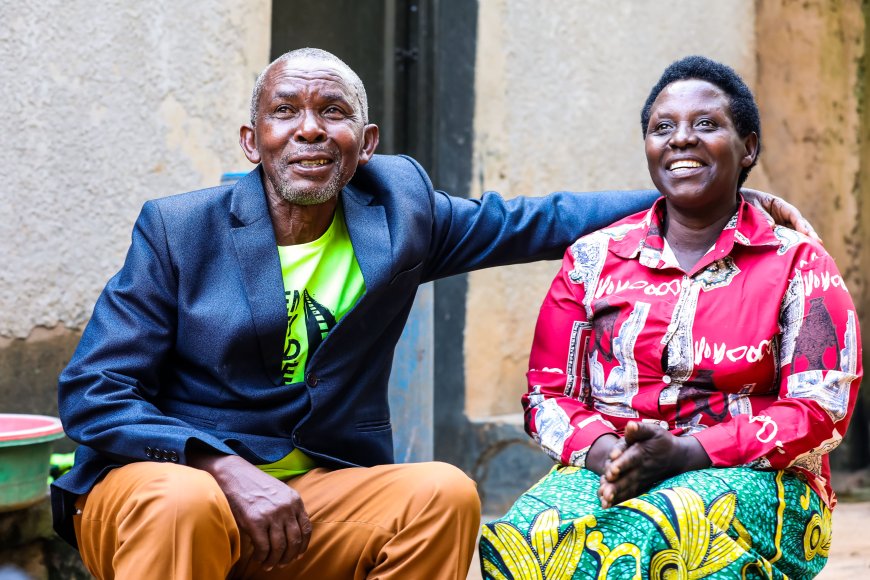
Gatanazi Innocent sits at a table in Musovu Cell, Julu Sector, sharing a meal prepared by the woman whose younger sister he killed. Francoise Mukaremera, who once felt she could shoot anyone she met out of the pain and anger left by the Genocide against the Tutsi more than three decades ago, now serves and shares food with her sister’s murderer, without a trace of suspicion.
This transformation is not unique to Bitega and Kabeza villages of Bugesera District, where Mukaremera and Gatanazi live. Across Rwanda, similar stories of reconciliation and resilience are emerging, a testament to a nation moving from a history of bloodshed and division toward a shared identity and peace.
Through the Mvura Nkuvure programme, a perpetrator who served eight years in prison for his crimes and a survivor who lost nearly her entire family bridged a gap that once seemed impossible. Their story shows the painstaking, step-by-step process of national healing after the 1994 Genocide against the Tutsi.
By choosing truth and mercy, these two individuals have replaced nightmares with restful sleep and bitterness with what Mukaremera calls a “human heart.”
The journey began in a circle of tension. When Mukaremera first joined the Mura Nkuvure healing group, she was shocked to see released perpetrators sitting alongside survivors. She stayed silent, avoided greetings, and ran to sit only with other survivors.
“My heart jumped when I saw them,” Mukaremera recalled. “If I had to say 'good evening,' it was fake; I would not even shake their hands.”
Gatanazi, arrested in 1995, later sentenced by Gacaca traditional courts and imprisoned and released in 2003, faced a different prison, one of shame and guilt. He had been taught through the Ingando - reintegration programme - in Gicumbi District to approach those he had harmed, but the weight of his actions left him paralysed by guilt.
“Imagine telling someone to their face, 'I killed your loved one,’ “Gatanazi said. “Whenever I ran into someone I had hurt, I felt humiliated and small.”
The breakthrough came during a Mvura Nkuvure group session. Mukaremera stood and spoke about her younger sister, whom she had lost during the genocide. She didn’t know exactly where or how she had died.
Gatanazi listened and realised he held the missing pieces. Despite fearing the judgment of other perpetrators, he chose to speak.
“I know that person. I played a role in his death,” Gatanazi admitted to the group and humbly ask for forgiveness.
Watch Gatanazi's full testimony
The room fell silent. Instead of responding with the bitterness she had carried since 1994, Mukaremera faced him with courage.
“Since you had the courage to tell me the truth, I give you the forgiveness you seek,” she said.
That moment of reconciliation unburdened both of their souls. For Gatanazi, forgiveness felt miraculous.
“The moment Mukaremera forgave me, I went home and slept,” he said. “Before that, my heart was a battlefield because of my past actions. I could not sleep easily, and sometimes I would dream of those we killed or relive the events of the genocide,” he added.
He now compares Mukaremera’s mercy to a divine act:
“To me, Mukaremera is like Jesus Christ, because Jesus loves sinners and forgives them—the same way she forgave me, without any contempt,” he added.
Also read:Can silent wounds ever truly heal? Rwanda’s women journey through genocide trauma
From Anger to Humanity
For Mukaremera, the experience transformed her perspective. She moved from self-hatred to a desire for communal progress, realising that many perpetrators had been misled by corrupt leadership of the genocidaire government. Holding onto anger only prevented her from being fully human.
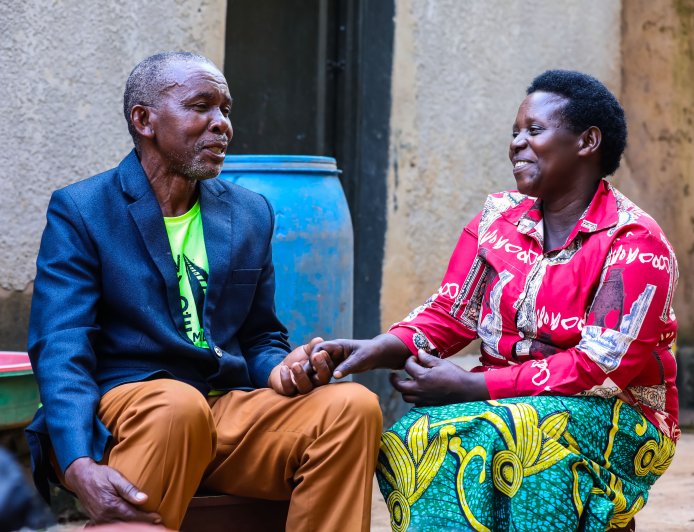
“Forgiveness brings peace to the heart and helps build a family,” she said. “I began to see my neighbor as a creature of God, just like me. Before, I would not speak to or socialize with my neighbors; I considered the families of perpetrators my dire enemies.”
Today, Gatanazi visits Mukaremera’s home frequently, sharing drinks with her, her husband, and their children. heir community has taken notice. Because of his commitment to truth and reconciliation, Gatanazi was even given a cow through the Girinka programme—something he calls a miracle, given his criminal past.
Also read: How Rwandan Youth Are Navigating Generational Trauma 32 years After Genocide against Tutsi
Both now dedicate themselves to teaching the next generation to prevent the divisions that once fueled the genocide. Gatanazi tells his children the truth about his crimes, while Mukaremera works with community leaders to resolve conflicts in her neighborhood.
“My heart feels clean and at peace with Gatanazi,” Mukaremera said. “If we don't build this country together, who will?”
Watch Mukaremer's full testimony