 English
 Kinyarwanda
Sudan: 17 Million Children at Risk as Basic Services Collapse

Sudan is currently grappling with one of the world’s most severe humanitarian emergencies, leaving 33.7 million people in urgent need of assistance, including 17.3 million children.
As of April, three years of persistent conflict have dismantled communities and forced 9.6 million people from their homes. Half of those displaced are children. With basic services collapsed, millions remain exposed to widespread disease, hunger, and escalating violence.
Cited in the UNICEF-Sudan article, the crisis is exemplified by families like that of Intesar Hamed, who completed a grueling 1,500-kilometre journey in search of safety.
Fleeing through Khartoum, South Kordofan, and Al Jazirah before reaching Kassala, the family endured bombardments and weeks spent hiding in forests.
“We fled to the forest, unable to carry anything. We just held our children’s hands and ran,” recalled Intesar.
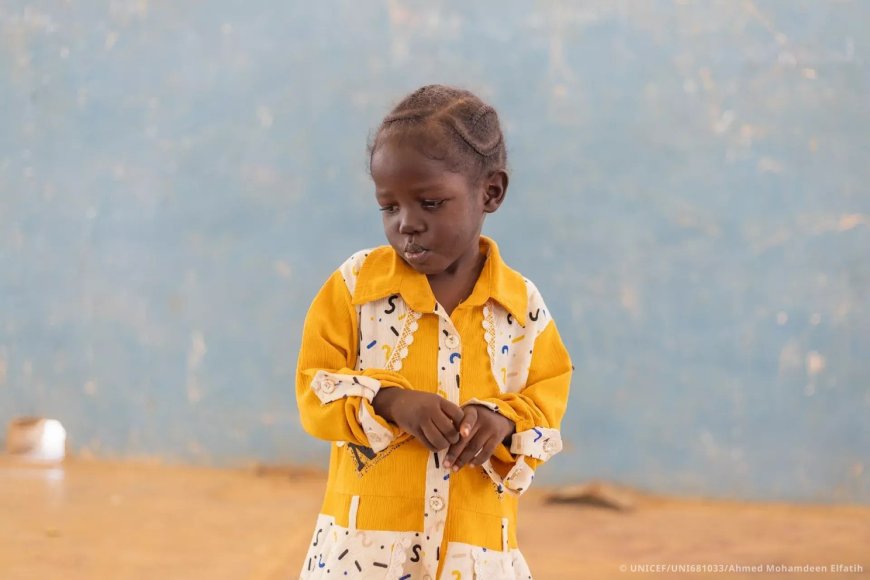
For her daughter, Walaa, the trauma of war manifested in a devastating psychological breakdown. Once an energetic and talkative child, Walaa has retreated into a shell of fear and near-total silence.
“Since the war started, she has fallen into a state of silence,” Intesar said. “Sometimes she shakes and her body turns cold.”
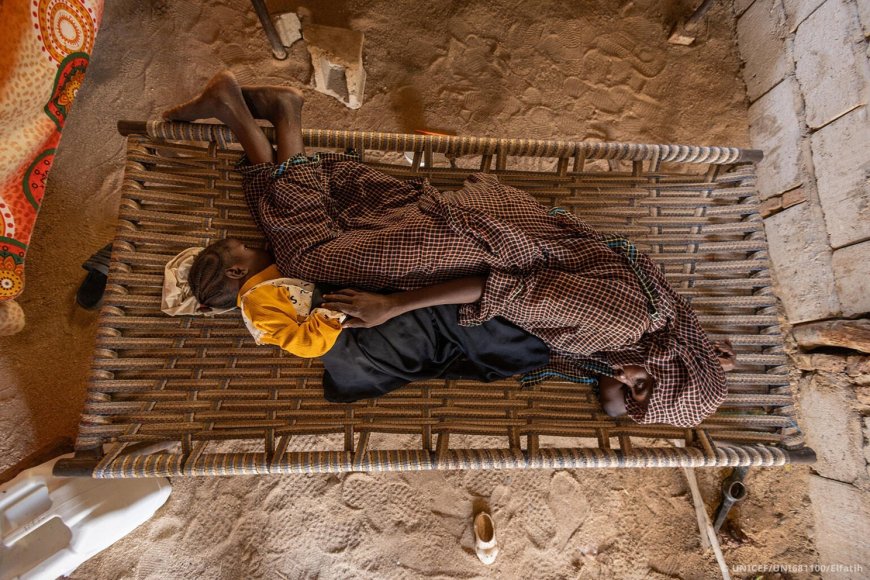
The silent scars of war
In overcrowded displacement sites, children face more than just physical threats. While disease and malnutrition rise, the psychological toll is profound. Walaa became so terrified of separation that she would freeze in place if her mother moved away, according to UNICEF.
“When I walk away from her, I find her in the same spot upon return. It’s as though the life has drained out of her,” Intesar explained.
Despite critical funding gaps and insecurity, UNICEF remains on the ground.
The organization is working with local partners to treat severe malnutrition, restore clean water, and reopen schools. A key component of this response is the establishment of “child-friendly spaces” designed to provide psychosocial support.
The path to healing
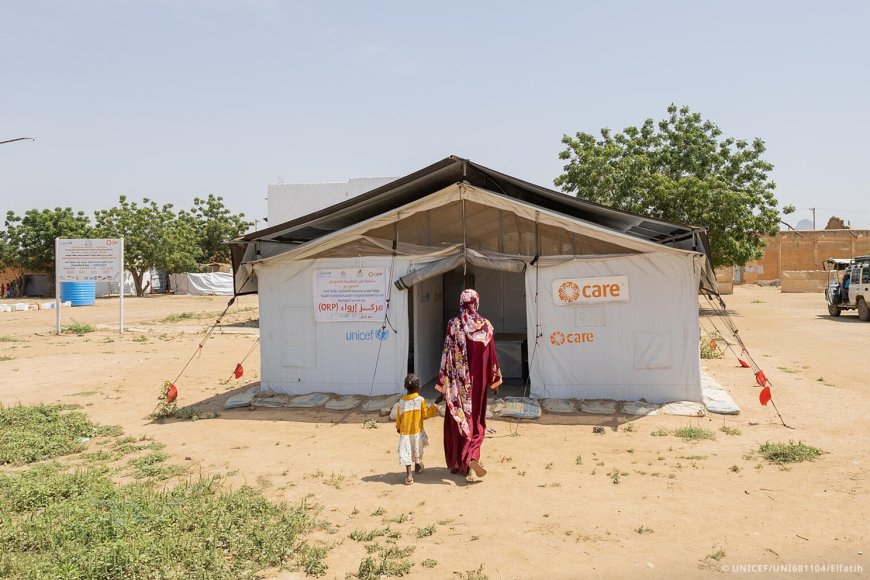
At the Alkarma gathering site, mental health specialist Amal Abdullah works daily with over 20 children and mothers struggling to cope with the war's effects.
“I provide psychological support, sessions and guidance and referrals to the nearby UNICEF clinic for those that need treatment,” Amal said.
Regarding Walaa’s initial condition, Amal shared: “Previously, she wouldn’t eat or drink much and didn’t express herself when she was hungry or needed to use the bathroom.”
To ensure long-term recovery, the specialist integrated the entire family into the process.
“Her family struggled to understand how to support her, so I involved them in the counselling sessions to give them the tools to help her heal.”
The intervention is showing results.
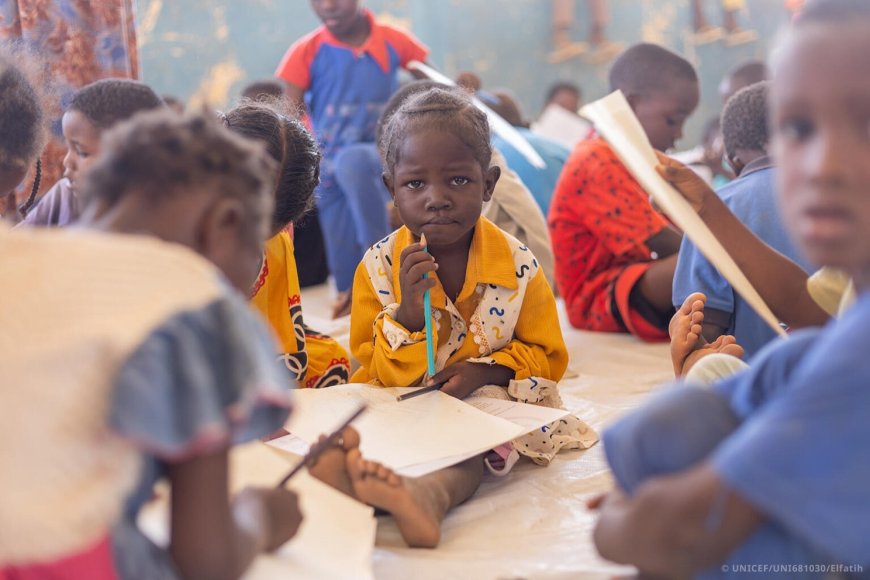
Walaa has begun drawing, playing with toys, and, most importantly, speaking again.
“The psychiatrist says she is improving. Today she told you her name. It’s a good day, she’s talking,” Intesar shared.
While UNICEF continues to expand these safe spaces across Sudan, the need remains overwhelming.
Amal Abdullah emphasized the scale of the required response: “There should be psychological support everywhere and in every shelter.”