 English
 Kinyarwanda

Could a Walk Through Mulindi Explain How Rwanda’s Liberation Was Planned?

The quiet hills of Mulindi w'Intwari still hold the places where some of Rwanda's most consequential decisions were made. On July 15, 2026, participants of Itorero Indangamirwa Cohort 16 visited the Mulindi Liberation Museum in Kaniga Sector, Gicumbi District, gaining first-hand lesson on the country's liberation struggle at the very site where the RPF-Inkotanyi planned the campaign that ended with the liberation of Rwanda and the stopping of the 1994 Genocide against the Tutsi.
The visit took participants through the museum's preserved command centers, residences and underground shelters (Bunker), offering them a close look at how the Rwandan Patriotic Front (RPF) and the Rwandan Patriotic Army (RPA) organized military operations and political strategy during the liberation struggle from October 1, 1990, to July 4, 1994.
Located on a strategically positioned hill in Nyakabungo Village, Mukindi Cell, Mulindi became the headquarters of the liberation movement because its terrain allowed commanders to monitor surrounding hills while remaining difficult for enemy forces to observe.
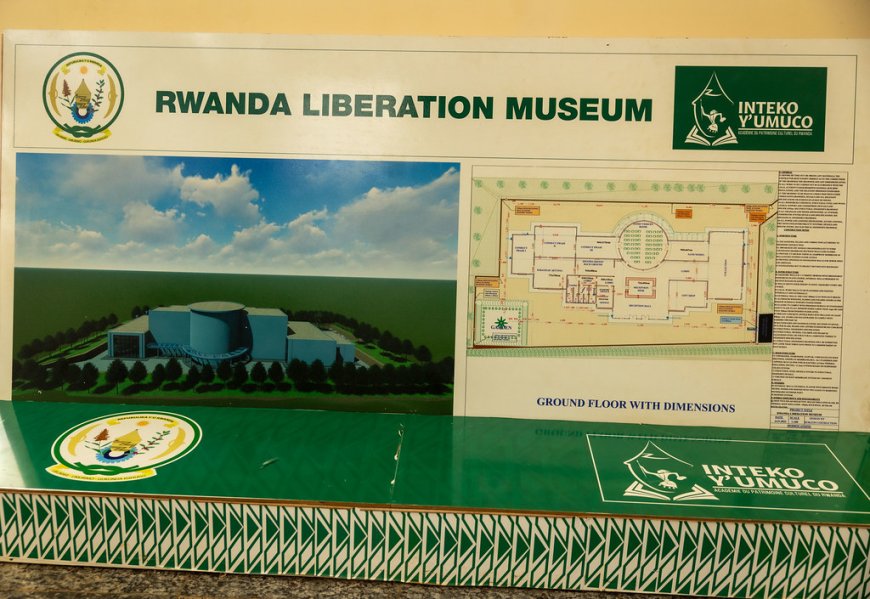
The location also hosted existing infrastructure, including a tea factory, making it easier to coordinate operations across different fronts.
Throughout the guided tour, participants moved from one historic site to another, each preserving a different chapter of Rwanda's liberation history.
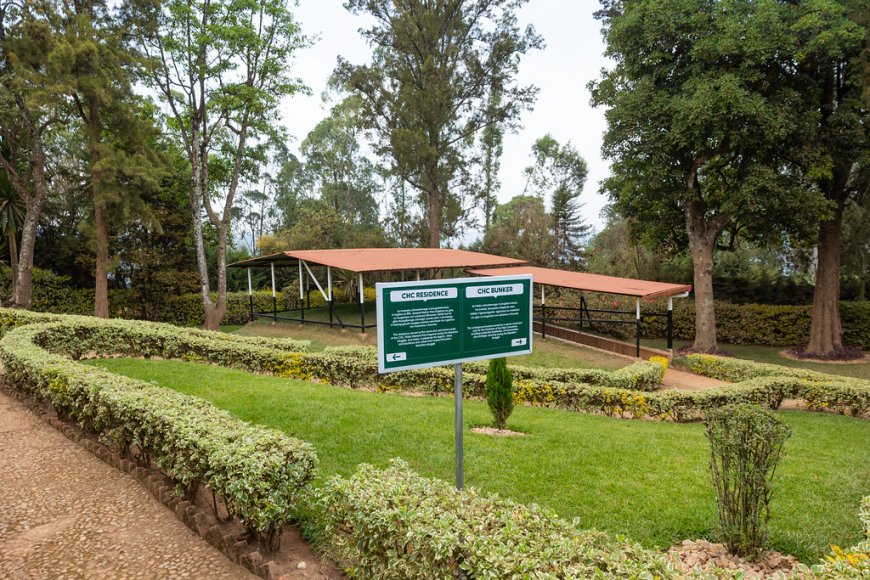
Among the places they visited was the Chairman of the High Command (CHC) Residence, which served “as the home and command center of the CHC, Major General Paul Kagame during the liberation struggle, and today, it preserves the legacy, vision, and sacrifices and values that shaped Rwanda's liberation struggle.”
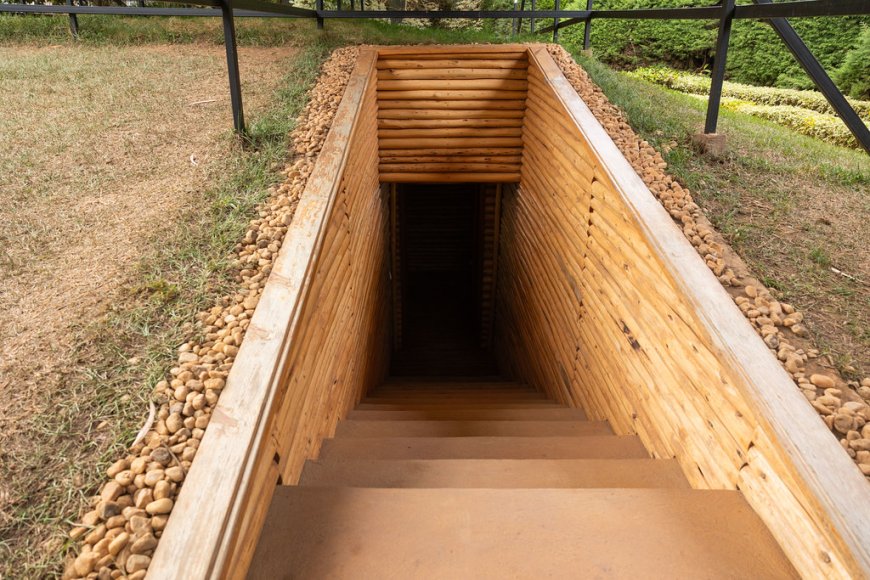
Participants also entered the underground CHC bunker, which “served as a secure command post for the Chairman of the High Command, enabling protected leadership, communication, and strategic planning during the liberation struggle.”
Another stop was the Arusha House.
“The house was used by High Command members and RPF Politicians to coordinate and respond to developments in the Arusha Peace Process through discussions, information sharing, and strategic review,” according to a signboard inside the museum directing visitors.
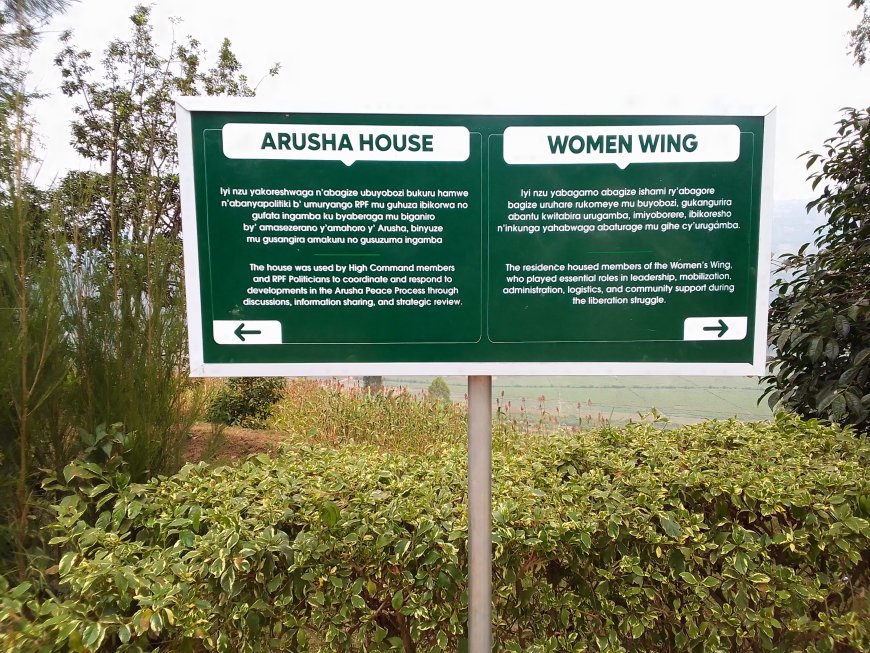
The tour also highlighted the contribution of women during the liberation struggle. At the Women's Wing Residence, participants learned about the role women played in leadership, mobilization, administration, logistics and community support, responsibilities that helped sustain the liberation movement.
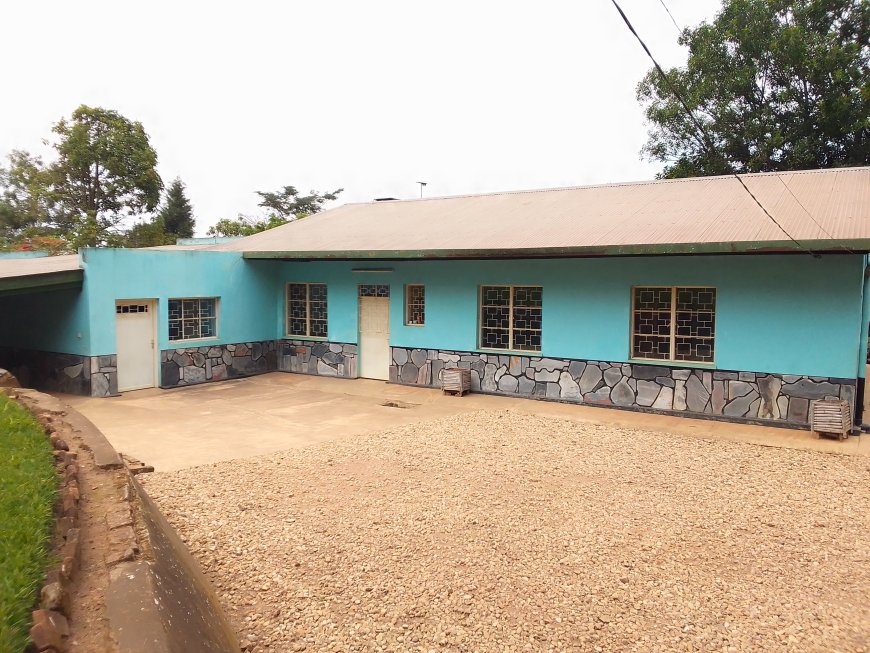
The group later visited the RPF/RPA Meeting Room, where senior leaders coordinated military operations and made decisions that shaped the course of the struggle.
Nearby stands the RPF Chairman's Residence, as the living and working place of the RPF Chairman, where RPF and RPA leadership first operated together for unified command and coordinated decision-making during the liberation struggle.
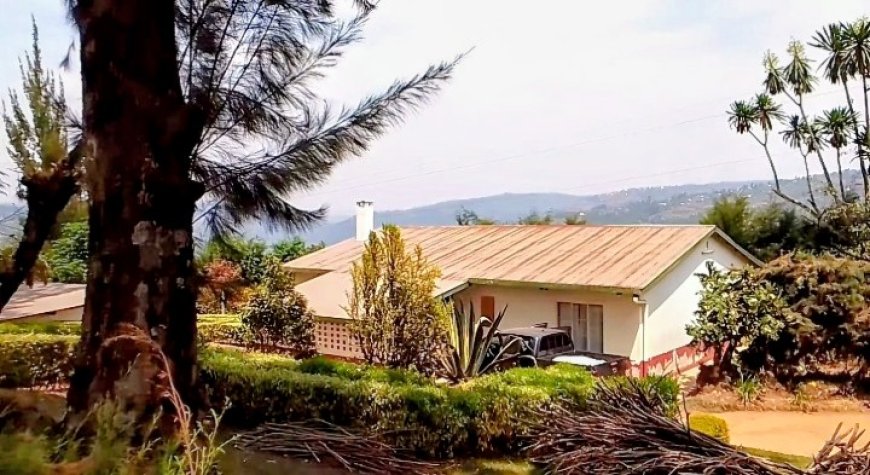
Participants were equally introduced to the basketball court, a recreational space that also hosted friendly matches involving visiting political youth delegations, including the PSD Youth, illustrating moments of dialogue and coexistence during a difficult period in the country's history.
The lower section of the site also features a football pitch.
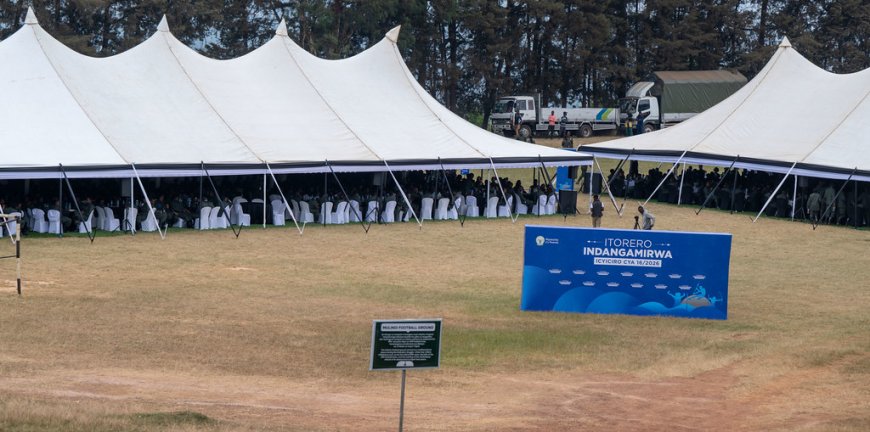
A Walk Through History
The museum continues to preserve these landmarks as part of Rwanda's national heritage, giving visitors an opportunity to understand how the liberation struggle unfolded from one of its most significant operational headquarters.
Speaking about public access to the museum, Gabriel Kayonga, Manager of the National Liberation Struggle Museum, said the institution remains open to both Rwandans and international visitors throughout the year, except on April 7, when the country begins the National Genocide Commemoration Period (Kwibuka).

"We warmly welcome everyone—both Rwandans and international visitors who may be viewing this. You are almost welcome," Kayonga said.
He noted that visitors pay a modest entrance fee, with discounted rates available for students and local Rwandan visitors.
The museum also regularly organizes open-door days during which entry is free and welcomes surrounding communities whenever they request educational visits.
Kayonga said the museum has already hosted local tea farming cooperatives on several occasions as part of efforts to strengthen community engagement and encourage more Rwandans to learn about the country's liberation history.
He added that visitors no longer pay at the entrance, explaining that all bookings and payments are now processed online through the Irembo platform, where information on ticketing and tour schedules is provided.
Co-authors: Gakuru Twizeyimana and Aimable Ishimwe
Tags:
- Mulindi Liberation Museum
- Itorero Indangamirwa16
- Gicumbi District
- Rwanda Liberation Struggle
- RPF Inkotanyi
- National Heritage
- Liberation History
- Paul Kagame
- 1994 Genocide against the Tutsi
- Historical Tourism
- Mulindi Liberation Museum
- Itorero Indangamirwa16
- Gicumbi District
- Rwanda Liberation Struggle
- RPF Inkotanyi
- National Heritage
- Liberation History
- Paul Kagame
- 1994 Genocide against the Tutsi
- Historical Tourism