
Israel Confronts Trump’s Warning, Strikes Iranian Petrochemical Plant

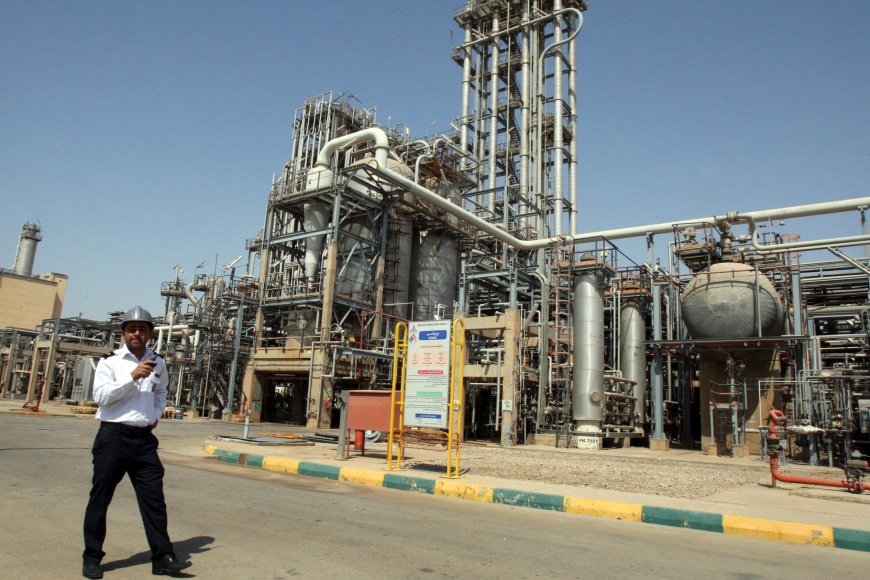
The Mahshahr petrochemical complex in southwest Iran which was struck by the Israeli Air Force on Monday, June 8. Photo: Courtesy

Israel Confronts Trump’s Warning, Strikes Iranian Petrochemical Plant

Jun 8, 2026 - 10:12
 0

Israel said on June 8, it struck a major petrochemical plant and multiple military targets inside Iran.


The attack marks the first strike on an Iranian energy site since the April 8 ceasefire, directly defying reported warnings from U.S. President Donald Trump to halt further hostilities.

The escalating conflict immediately impacted global markets, driving oil prices up by more than 3 percent on Monday and pushing benchmark Brent futures back above $96 a barrel.

The strikes followed a fresh wave of regional violence that threatens to disrupt U.S.-led peace talks with Tehran.

Hours before the assault, President Trump insisted that new hostilities would not disrupt his administration's diplomatic efforts.

Speaking to the Financial Times, Trump downplayed Israeli Prime Minister Benjamin Netanyahu's influence on the negotiations, stating, "It’s not going to have any impact on the deal," before adding, "I call the shots. I call all the shots. He (Netanyahu) doesn’t call the shots."

Trump’s public dismissal followed a private, 30-minute phone call on Sunday from his golf club in Bedminster, New Jersey. During the discussion, Trump reportedly placed heavily on Netanyahu to stop the attacks.

According to a U.S. official quoted by Axios, Trump told Netanyahu to refrain from further strikes because "we are close to doing something good in terms of a deal,"

Despite the warning, Israel launched its air campaign just hours later.

In a brief statement, Israel's defence forces confirmed the operation, saying, "The Israeli Air Force struck several targets at the petrochemical complex in Mahshahr."

An Iranian provincial official told the semi-official Fars news agency that parts of the southwest facility were damaged.

Iran's state media added that enemy missiles have now hit five production lines at the plant since the war began on February 28. According to Iran's Revolutionary Guards, Israel used air-launched ballistic missiles in the attack.

In response, Iran launched a heavy volley of retaliatory military strikes.

Yechiel Leiter, Israel's ambassador to the United States, confirmed on X that Iran fired 11 ballistic missiles at Israeli targets. Leiter stated, "Everyone has had enough of this maniacal Iranian regime."

Leiter clarified that Israel's operations specifically targeted Iran's surface-to-surface missile launch sites and infrastructure facilities.

Defending the military actions, he added, "No self-respecting country in the world would tolerate such an attack, and neither will Israel."

The Iranian counter-attack triggered widespread sirens across Israel early Monday morning.

U.S. Ambassador Mike Huckabee detailed the situation on X, writing, "The missile alerts sounded at 6 a.m. in Jerusalem," and adding, "The mothership of Satan is in Tehran."

The Israeli military reported that its aerial defense systems successfully intercepted the Iranian missiles, which targeted the Ramat David air base near Nazareth.

The military also intercepted a missile launched from Yemen, marking Yemen's first attack on Israel since the ceasefire.

Neither the White House nor the Israeli prime minister's office immediately responded to requests for comment regarding Sunday's phone call.

The current flashpoint was triggered on Sunday when Israel launched airstrikes in the Beirut area for the first time since the U.S. announced a Lebanon truce plan last week. While Israeli officials insist that the conflict with Hezbollah in Lebanon must be treated separately from any Iran ceasefire, Tehran strongly disagrees.

Iran has maintained that any peace deal with the U.S. depends on a ceasefire holding in Lebanon, which Israel invaded in March to pursue Iran-backed Hezbollah fighters.

Iran's chief peace negotiator, Parliamentary Speaker Mohammed Baqer Qalibaf, declared that U.S. bases and Israeli assets remain legitimate targets due to the "violation of agreements over Lebanon."

The spike in violence marks a critical moment for the Trump administration's Middle East diplomacy, coming 100 days into the conflict.

In a recorded interview with NBC News' "Meet the Press" that aired Sunday, Trump issued a blunt ultimatum regarding his push for peace: "We're very close to a deal, or I'm going to blow the hell out of them,"

Israel Confronts Trump’s Warning, Strikes Iranian Petrochemical Plant

Jun 8, 2026 - 10:12
 0
Israel Confronts Trump’s Warning, Strikes Iranian Petrochemical Plant
The Mahshahr petrochemical complex in southwest Iran which was struck by the Israeli Air Force on Monday, June 8. Photo: Courtesy

Israel said on June 8, it struck a major petrochemical plant and multiple military targets inside Iran.


The attack marks the first strike on an Iranian energy site since the April 8 ceasefire, directly defying reported warnings from U.S. President Donald Trump to halt further hostilities.

The escalating conflict immediately impacted global markets, driving oil prices up by more than 3 percent on Monday and pushing benchmark Brent futures back above $96 a barrel.

The strikes followed a fresh wave of regional violence that threatens to disrupt U.S.-led peace talks with Tehran.

Hours before the assault, President Trump insisted that new hostilities would not disrupt his administration's diplomatic efforts.

Speaking to the Financial Times, Trump downplayed Israeli Prime Minister Benjamin Netanyahu's influence on the negotiations, stating, "It’s not going to have any impact on the deal," before adding, "I call the shots. I call all the shots. He (Netanyahu) doesn’t call the shots."

Trump’s public dismissal followed a private, 30-minute phone call on Sunday from his golf club in Bedminster, New Jersey. During the discussion, Trump reportedly placed heavily on Netanyahu to stop the attacks.

According to a U.S. official quoted by Axios, Trump told Netanyahu to refrain from further strikes because "we are close to doing something good in terms of a deal,"

Despite the warning, Israel launched its air campaign just hours later.

In a brief statement, Israel's defence forces confirmed the operation, saying, "The Israeli Air Force struck several targets at the petrochemical complex in Mahshahr."

An Iranian provincial official told the semi-official Fars news agency that parts of the southwest facility were damaged.

Iran's state media added that enemy missiles have now hit five production lines at the plant since the war began on February 28. According to Iran's Revolutionary Guards, Israel used air-launched ballistic missiles in the attack.

In response, Iran launched a heavy volley of retaliatory military strikes.

Yechiel Leiter, Israel's ambassador to the United States, confirmed on X that Iran fired 11 ballistic missiles at Israeli targets. Leiter stated, "Everyone has had enough of this maniacal Iranian regime."

Leiter clarified that Israel's operations specifically targeted Iran's surface-to-surface missile launch sites and infrastructure facilities.

Defending the military actions, he added, "No self-respecting country in the world would tolerate such an attack, and neither will Israel."

The Iranian counter-attack triggered widespread sirens across Israel early Monday morning.

U.S. Ambassador Mike Huckabee detailed the situation on X, writing, "The missile alerts sounded at 6 a.m. in Jerusalem," and adding, "The mothership of Satan is in Tehran."

The Israeli military reported that its aerial defense systems successfully intercepted the Iranian missiles, which targeted the Ramat David air base near Nazareth.

The military also intercepted a missile launched from Yemen, marking Yemen's first attack on Israel since the ceasefire.

Neither the White House nor the Israeli prime minister's office immediately responded to requests for comment regarding Sunday's phone call.

The current flashpoint was triggered on Sunday when Israel launched airstrikes in the Beirut area for the first time since the U.S. announced a Lebanon truce plan last week. While Israeli officials insist that the conflict with Hezbollah in Lebanon must be treated separately from any Iran ceasefire, Tehran strongly disagrees.

Iran has maintained that any peace deal with the U.S. depends on a ceasefire holding in Lebanon, which Israel invaded in March to pursue Iran-backed Hezbollah fighters.

Iran's chief peace negotiator, Parliamentary Speaker Mohammed Baqer Qalibaf, declared that U.S. bases and Israeli assets remain legitimate targets due to the "violation of agreements over Lebanon."

The spike in violence marks a critical moment for the Trump administration's Middle East diplomacy, coming 100 days into the conflict.

In a recorded interview with NBC News' "Meet the Press" that aired Sunday, Trump issued a blunt ultimatum regarding his push for peace: "We're very close to a deal, or I'm going to blow the hell out of them,"