
Sudan’s Civil War Exposes Limits of Global Multilateral Response
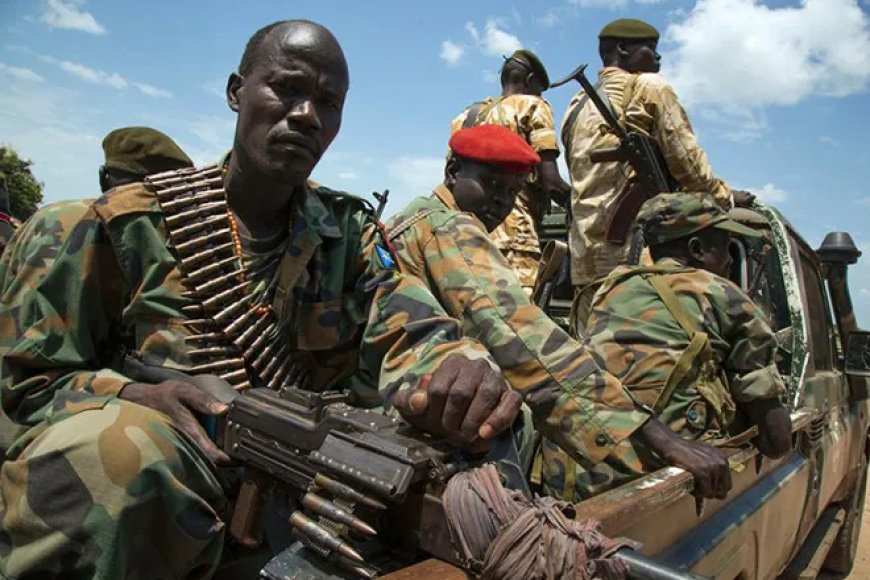
Photo: Observer Research Foundation

Sudan’s Civil War Exposes Limits of Global Multilateral Response

Mar 7, 2026 - 11:54
 0

Nearly three years into Sudan’s devastating civil war, international efforts to stop the fighting have struggled to produce results. An analysis by the Institute for Security Studies (ISS) argues that sanctions, mediation initiatives and humanitarian interventions have so far failed to disrupt the war machinery, exposing deep weaknesses in the global multilateral system.


Since fighting erupted in April 2023 between the Sudanese Armed Forces (SAF) and the Rapid Support Forces (RSF), the country has experienced one of the most destructive conflicts in its modern history. Millions have been displaced, infrastructure has been destroyed and civilians continue to face grave human rights abuses.

A recent report by the United Nations highlighted the scale of atrocities, warning that the RSF’s takeover of El-Fasher, the capital of North Darfur, bore the hallmarks of genocide. According to the report, civilians were subjected to indiscriminate attacks, torture, arbitrary killings, ethnically targeted violence and widespread sexual violence.

The international community has responded with sanctions aimed at curbing the conflict. The United Nations Security Council has imposed targeted travel bans and asset freezes on several individuals linked to the war effort. Since the conflict began, eight individuals have been sanctioned for their role in fueling the fighting.

Other actors have followed suit. The United Kingdom sanctioned senior commanders from both the RSF and SAF accused of supplying equipment, mercenaries and logistical support. The European Union also imposed sanctions on seven members of the rival forces.

However, these measures have had little effect on the warring parties. Analysts note that armed groups and their allies have continued to find alternative ways to sustain their war efforts, creating new or more covert supply chains that allow them to bypass sanctions.

Many of these sanctions fall under United Nations Security Council Resolution 1591, which was originally adopted in 2005 to respond to atrocities during the Darfur conflict. Yet, past and present sanctions have struggled to deter armed actors or significantly weaken their capabilities.

Mediation efforts falter

Diplomatic mediation has also produced limited progress. Several initiatives have attempted to bring the parties to the negotiating table, with mixed results.

Early in the war, the Saudi- and US-led Jeddah Process generated cautious optimism. The talks resulted in a humanitarian declaration intended to facilitate aid delivery and protect civilians. But key provisions were never fully implemented.

A second diplomatic effort emerged through the so-called Quad or Quintet – a grouping that includes the United States, Saudi Arabia, United Arab Emirates, Egypt and the United Kingdom. The group sought to leverage its political and economic influence to pressure both sides into negotiations and produced a roadmap for peace.

Yet even this initiative has stalled. SAF leader Abdel Fattah al‑Burhan rejected the proposal, arguing that the UAE could not act as a neutral mediator while allegedly supporting one side in the conflict. Growing divisions among Gulf states have further weakened the initiative’s prospects.

Meanwhile, the war itself is evolving. Following the violence in El-Fasher, the conflict has expanded to new areas, including South Kordofan and Blue Nile.

Both sides are now pursuing a dual strategy: intensifying military operations while simultaneously attempting to legitimise their political authority through administrative control of territory.

After retaking Khartoum in April 2025, the SAF-aligned transitional administration – known as the “Government of Hope” – launched efforts to restore services and rebuild state institutions in the capital. Authorities have pledged to repair schools and hospitals while improving electricity, water and sanitation services.

These efforts have encouraged the gradual return of more than a million residents to Khartoum. The government is also working to establish a legislative council, a move widely seen as an attempt to consolidate political legitimacy.

The RSF has taken similar steps in areas under its control, particularly in Nyala in western Sudan. Although progress has been slower, the group has attempted to establish basic public services and administrative structures to gain local support.

Analysts warn that this competition for political legitimacy suggests both sides are preparing for a prolonged conflict rather than negotiating a settlement.

Humanitarian and dialogue initiatives

Alongside sanctions and mediation, the international community has mobilised humanitarian assistance and political dialogue initiatives aimed at mitigating the war’s impact.

Humanitarian organisations hope that increased aid could indirectly encourage negotiations by easing civilian suffering and creating incentives for ceasefires. However, these expectations have so far proved difficult to realise.

International conferences have attempted to galvanise support. One example is the high-level Berlin conference held around the war’s second anniversary in April. While such gatherings may help secure localised ceasefires or improve aid access, they are unlikely to produce a comprehensive national peace agreement.

Regional institutions also face challenges. The African Union High-Level Panel on Sudan has largely stalled and would need renewed technical capacity and political backing to become effective again.

Some observers see potential in intra-Sudanese dialogue initiatives involving civilian leaders, political parties and community representatives. These discussions aim to prevent deeper societal fragmentation and develop a shared vision for a post-war civilian-led government.

If better coordinated and supported with technical expertise, such dialogues could help lay the groundwork for future political reconstruction. However, they are unlikely to end the war in the short term.

A test for multilateralism

Despite increased diplomatic pressure and humanitarian mobilisation, efforts to halt Sudan’s war remain largely ineffective. Sanctions could be expanded, aid funding increased and mediation revived, but these measures may already be approaching the limits of their impact.

For many analysts, Sudan’s crisis highlights deeper challenges facing global conflict-resolution mechanisms. As multilateral institutions struggle to coordinate decisive action, the war has become a stark example of the international system’s growing paralysis.

According to the Institute for Security Studies, addressing the conflict may require a fundamental rethink of how international actors use incentives and pressure in peace processes. Greater attention to local initiatives and grassroots resilience may also be necessary if lasting peace is to emerge.
 

Sudan’s Civil War Exposes Limits of Global Multilateral Response

Mar 7, 2026 - 11:54
 0
Sudan’s Civil War Exposes Limits of Global Multilateral Response
Photo: Observer Research Foundation

Nearly three years into Sudan’s devastating civil war, international efforts to stop the fighting have struggled to produce results. An analysis by the Institute for Security Studies (ISS) argues that sanctions, mediation initiatives and humanitarian interventions have so far failed to disrupt the war machinery, exposing deep weaknesses in the global multilateral system.


Since fighting erupted in April 2023 between the Sudanese Armed Forces (SAF) and the Rapid Support Forces (RSF), the country has experienced one of the most destructive conflicts in its modern history. Millions have been displaced, infrastructure has been destroyed and civilians continue to face grave human rights abuses.

A recent report by the United Nations highlighted the scale of atrocities, warning that the RSF’s takeover of El-Fasher, the capital of North Darfur, bore the hallmarks of genocide. According to the report, civilians were subjected to indiscriminate attacks, torture, arbitrary killings, ethnically targeted violence and widespread sexual violence.

The international community has responded with sanctions aimed at curbing the conflict. The United Nations Security Council has imposed targeted travel bans and asset freezes on several individuals linked to the war effort. Since the conflict began, eight individuals have been sanctioned for their role in fueling the fighting.

Other actors have followed suit. The United Kingdom sanctioned senior commanders from both the RSF and SAF accused of supplying equipment, mercenaries and logistical support. The European Union also imposed sanctions on seven members of the rival forces.

However, these measures have had little effect on the warring parties. Analysts note that armed groups and their allies have continued to find alternative ways to sustain their war efforts, creating new or more covert supply chains that allow them to bypass sanctions.

Many of these sanctions fall under United Nations Security Council Resolution 1591, which was originally adopted in 2005 to respond to atrocities during the Darfur conflict. Yet, past and present sanctions have struggled to deter armed actors or significantly weaken their capabilities.

Mediation efforts falter

Diplomatic mediation has also produced limited progress. Several initiatives have attempted to bring the parties to the negotiating table, with mixed results.

Early in the war, the Saudi- and US-led Jeddah Process generated cautious optimism. The talks resulted in a humanitarian declaration intended to facilitate aid delivery and protect civilians. But key provisions were never fully implemented.

A second diplomatic effort emerged through the so-called Quad or Quintet – a grouping that includes the United States, Saudi Arabia, United Arab Emirates, Egypt and the United Kingdom. The group sought to leverage its political and economic influence to pressure both sides into negotiations and produced a roadmap for peace.

Yet even this initiative has stalled. SAF leader Abdel Fattah al‑Burhan rejected the proposal, arguing that the UAE could not act as a neutral mediator while allegedly supporting one side in the conflict. Growing divisions among Gulf states have further weakened the initiative’s prospects.

Meanwhile, the war itself is evolving. Following the violence in El-Fasher, the conflict has expanded to new areas, including South Kordofan and Blue Nile.

Both sides are now pursuing a dual strategy: intensifying military operations while simultaneously attempting to legitimise their political authority through administrative control of territory.

After retaking Khartoum in April 2025, the SAF-aligned transitional administration – known as the “Government of Hope” – launched efforts to restore services and rebuild state institutions in the capital. Authorities have pledged to repair schools and hospitals while improving electricity, water and sanitation services.

These efforts have encouraged the gradual return of more than a million residents to Khartoum. The government is also working to establish a legislative council, a move widely seen as an attempt to consolidate political legitimacy.

The RSF has taken similar steps in areas under its control, particularly in Nyala in western Sudan. Although progress has been slower, the group has attempted to establish basic public services and administrative structures to gain local support.

Analysts warn that this competition for political legitimacy suggests both sides are preparing for a prolonged conflict rather than negotiating a settlement.

Humanitarian and dialogue initiatives

Alongside sanctions and mediation, the international community has mobilised humanitarian assistance and political dialogue initiatives aimed at mitigating the war’s impact.

Humanitarian organisations hope that increased aid could indirectly encourage negotiations by easing civilian suffering and creating incentives for ceasefires. However, these expectations have so far proved difficult to realise.

International conferences have attempted to galvanise support. One example is the high-level Berlin conference held around the war’s second anniversary in April. While such gatherings may help secure localised ceasefires or improve aid access, they are unlikely to produce a comprehensive national peace agreement.

Regional institutions also face challenges. The African Union High-Level Panel on Sudan has largely stalled and would need renewed technical capacity and political backing to become effective again.

Some observers see potential in intra-Sudanese dialogue initiatives involving civilian leaders, political parties and community representatives. These discussions aim to prevent deeper societal fragmentation and develop a shared vision for a post-war civilian-led government.

If better coordinated and supported with technical expertise, such dialogues could help lay the groundwork for future political reconstruction. However, they are unlikely to end the war in the short term.

A test for multilateralism

Despite increased diplomatic pressure and humanitarian mobilisation, efforts to halt Sudan’s war remain largely ineffective. Sanctions could be expanded, aid funding increased and mediation revived, but these measures may already be approaching the limits of their impact.

For many analysts, Sudan’s crisis highlights deeper challenges facing global conflict-resolution mechanisms. As multilateral institutions struggle to coordinate decisive action, the war has become a stark example of the international system’s growing paralysis.

According to the Institute for Security Studies, addressing the conflict may require a fundamental rethink of how international actors use incentives and pressure in peace processes. Greater attention to local initiatives and grassroots resilience may also be necessary if lasting peace is to emerge.