 English
 Kinyarwanda
ICRC Calls on Non-State Armed Groups to Protect Missing Persons in Armed Conflicts
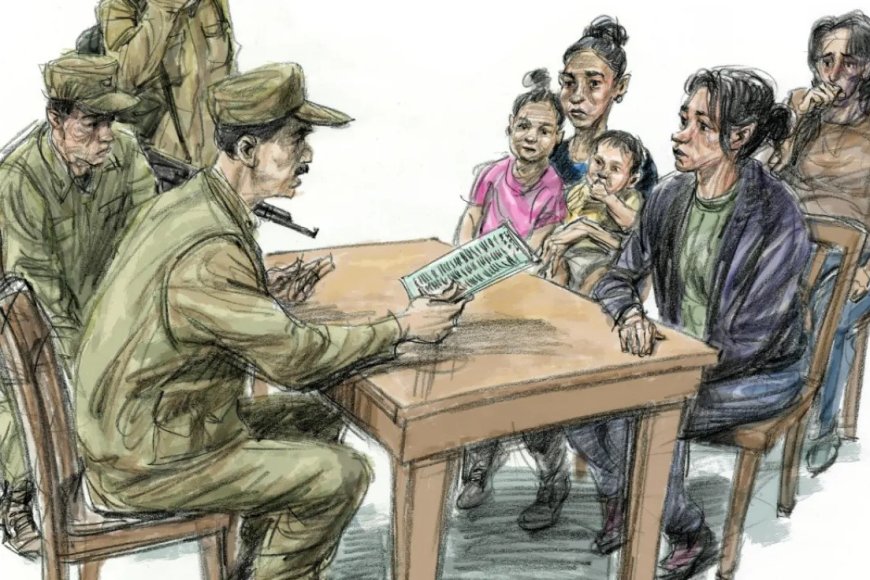
Families searching for loved ones lost in war are among the most enduring victims of armed conflict. A new report by the International Committee of the Red Cross (ICRC) highlights the urgent need for non-state armed groups to take concrete measures to prevent people from going missing, reunite separated families, and treat the dead with dignity.
According to the humanitarian organisation, the scale of the crisis continues to grow. In 2025 alone, the ICRC registered more than 178,300 new cases of missing persons worldwide, marking the highest annual increase recorded in at least two decades. Behind each case is a family living with uncertainty, unable to mourn properly or access basic rights without knowing what happened to their relatives.
Humanitarian experts describe this suffering as “ambiguous loss”, the psychological pain caused by not knowing whether a loved one is alive or dead. For many families, this invisible wound persists long after the fighting ends.
Legal obligations in armed conflict
International humanitarian law (IHL) requires all parties involved in conflict, including both states and non-state armed groups, to take steps to prevent disappearances, search for missing people, and provide information to families.
Yet the ICRC notes that many armed groups remain unaware of these obligations or lack practical systems to record information about detainees, the dead, and those who go missing during fighting.
To address this gap, the organisation has released a new study titled “Non-State Armed Groups and the Separated, Missing and Dead: Obligations Under International Humanitarian Law and Examples of How to Implement Them.” The report combines legal guidance with real-world practices drawn from the experiences of 64 non-state armed groups involved in conflicts since the 1960s.
The study outlines practical measures that armed groups can adopt to protect civilians, maintain family links, and ensure respect for the deceased, regardless of which side of the conflict they belong to.
Eleven rules to prevent disappearances
The report presents 11 key rules derived from IHL. Among them are the obligation to warn civilians before fighting, when possible, allow families to flee together, and enable detainees to contact their relatives.
Armed groups are also encouraged to keep detailed records of fighters, detainees, and casualties; search for and recover the dead after combat; and ensure bodies are treated respectfully and returned to families whenever possible.
If remains cannot be immediately returned, the guidelines stress the importance of proper burial, clear identification records, and marked graves, ensuring that families may eventually learn the fate of their loved ones.
Recommendations for action
Based on its findings, the ICRC calls for two major actions to improve the protection of missing persons in conflict zones.
First, parties to conflicts should establish systems to record and share information about detainees and the deceased. This includes designating clear contact points for families seeking information and using neutral intermediaries such as the ICRC to transmit updates.
Second, the organisation urges governments and armed groups to include the search for missing persons and the recovery of remains in ceasefire and peace negotiations, ensuring that humanitarian concerns remain central to peace processes.
The ICRC hopes the study will encourage practical action among armed groups, states, and humanitarian actors working to address the global crisis of missing persons.
By adopting relatively simple measures, such as keeping records, facilitating communication, and respecting the dead, armed groups can significantly reduce the suffering of families searching for answers in the aftermath of war.
For those families, the report emphasises, clarifying the fate of the missing is not only a legal duty but also a humanitarian necessity that restores dignity and hope.